Wearables Move from Fitness Gimmick to Clinical Tool

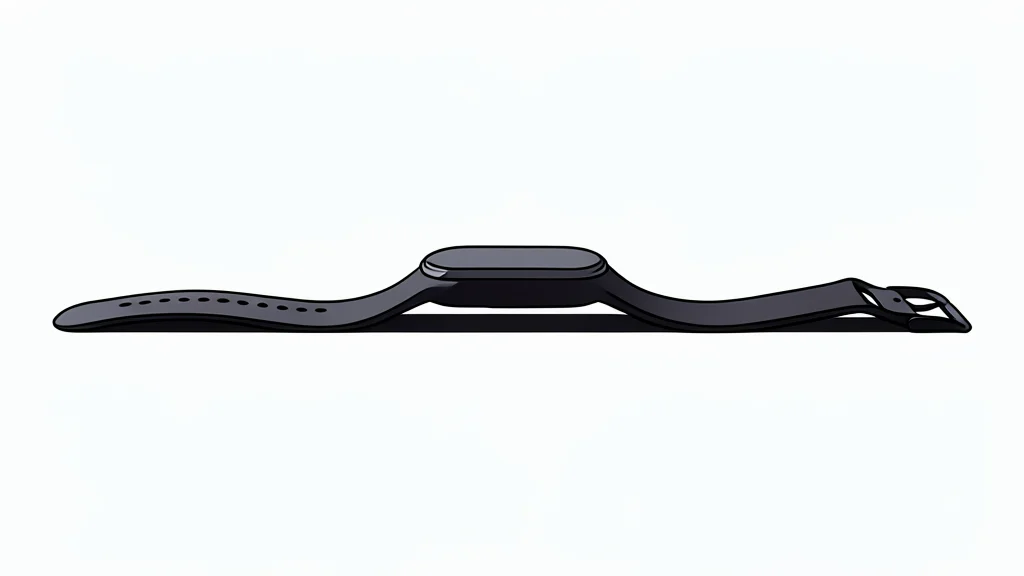
Consumer wearables are transitioning from lifestyle accessories to essential medical instruments, bridging the gap between daily habits and clinical care.
For years, devices like smartwatches and fitness bands were viewed primarily as tools for the health-conscious consumer, a distinct category separate from professional medical equipment. This boundary is now blurring. As technology advances and artificial intelligence becomes more integrated into these small devices, they are beginning to offer insights that were previously reserved for hospital settings. The shift marks a significant change in how health data is collected and interpreted, moving from simple activity tracking to continuous physiological monitoring.
The potential for these devices to monitor vital signs, gait, and even hydration levels through sweat analysis suggests a future where remote patient monitoring becomes the norm rather than the exception. However, this transition is not without significant hurdles. While the hardware is becoming capable of collecting granular health data, the systems for processing and integrating that data into standard medical records remain underdeveloped. For now, the promise of seamless clinical integration is still largely aspirational.
Barriers To Clinical Integration Persist
Despite the sophisticated data collection capabilities of modern wearables, a major bottleneck remains: the practical integration of this information into Electronic Health Records (EHR). According to reporting by GN technics/wearables, there is currently no reliable, large-scale method to feed wearable data directly into the systems hospitals and clinics use to manage patient care. This disconnect means that while a patient might have detailed data on their heart health or sleep quality, their doctor may not be able to easily access or verify it within their standard workflow.
This limitation creates a trade-off. The devices offer unprecedented visibility into daily health metrics, but without robust integration, that data risks becoming just another isolated data point rather than an actionable clinical tool. Industry leaders are currently working to validate this data and establish regulatory pathways that would allow wearable-driven care to be reimbursed and standardized, but these processes are slow and complex.
Specific Medical Applications Emerge
While general wellness tracking is the most common use case, specific medical applications are gaining traction. One notable development involves a wearable patch that monitors vancomycin levels in real time. This antibiotic is widely used for life-threatening infections like sepsis, but determining the correct dosage is notoriously difficult for clinicians. By providing continuous data on drug levels, such a device could help prevent under-dosing, which leads to treatment failure, or over-dosing, which can cause kidney damage.
Other companies are exploring ways to convert smartphones into diagnostic tools. For instance, technology exists that allows a smartphone to function as an EKG device, capturing heart rhythm data that can be analyzed for irregularities. These specific use cases demonstrate that wearables are no longer just about counting steps; they are becoming precise instruments for detecting and managing specific medical conditions, provided the data can be trusted and acted upon by healthcare providers.
Policy And Market Momentum
Government policy is also playing a role in shaping this sector. Recent statements from U.S. health officials have emphasized the importance of widespread adoption of wearable healthcare technologies as part of broader efforts to combat chronic disease. This political backing adds a layer of legitimacy to the industry, suggesting that wearables may soon be viewed not just as consumer electronics, but as public health infrastructure.
The commercial landscape is reflecting this shift. Companies in the space, including Finnish smart ring maker ŌURA, are moving toward public markets, signaling confidence in long-term growth. However, investors and consumers alike should recognize that the value proposition is still evolving. The catch is that while the technology is ready for many clinical applications, the regulatory, reimbursement, and integration frameworks are still catching up. Until those systems align, the full potential of wearables in healthcare will remain partially untapped.