Fitbit Charge 6 Brings Payment and GPS to a Compact Tracker
The new Fitbit Charge 6 blends fitness tracking with contactless payments, aiming to replace the need for a full smartwatch for many users.
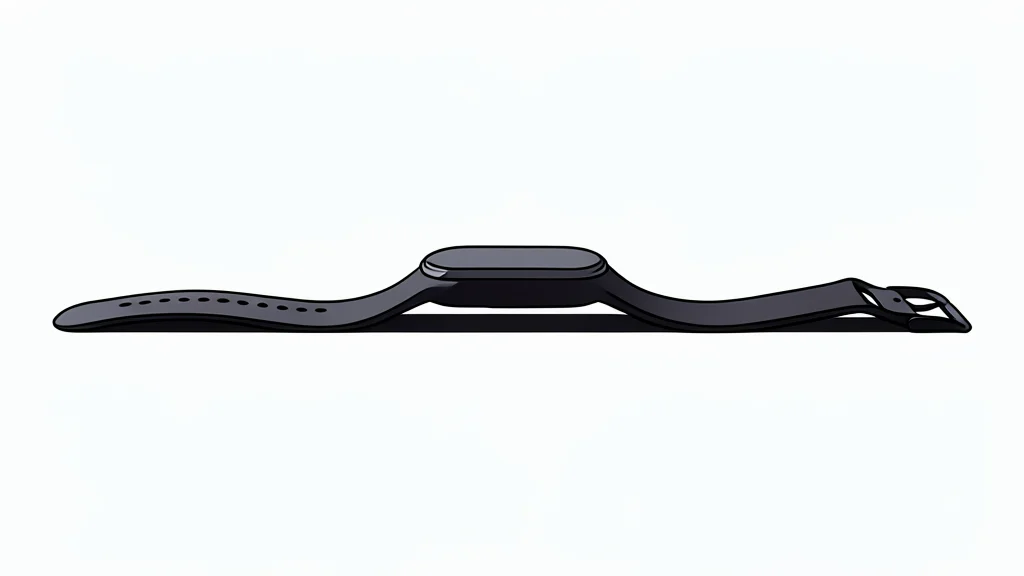
Fitbit has released the Charge 6, a compact fitness tracker that adds contactless payment capabilities and built-in GPS to a slim wristband. Priced at $119.95, the device is designed for users who want advanced health metrics and the convenience of tapping their wrist to pay, without the bulk of a traditional smartwatch.
According to reporting from GN auto tech/wearables: fitness tracker, the device sits in a specific niche between basic step counters and full-sized watches. It offers a seven-day battery life and supports both Android and iOS, making it a focused tool for fitness data rather than a general-purpose computing device.
Payment Features Meet Fitness Tracking
The most significant addition to this generation of the Charge series is the integration of Google Wallet. This allows users to make contactless payments directly from their wrist, a feature previously reserved for larger smartwatches. The device also supports Google Maps for navigation during outdoor activities, reducing the need to keep a smartphone in hand during runs or bike rides.
While the hardware is compact, the software capabilities are extensive. The tracker monitors heart rate, sleep stages, and calories burned across more than 40 exercise modes. However, the inclusion of payment services means the device relies heavily on the broader Google ecosystem for utility, which may limit its appeal for users deeply invested in competing platforms.
Battery Life and Daily Durability
A key selling point is the battery life, which lasts up to seven days on a single charge. This is a substantial improvement over many smartwatches that require daily recharging. The device also features water resistance to 50 meters, making it suitable for swimming, and includes an always-on display option for quick glances at time and health stats.
The trade-off for this battery efficiency and compact size is a smaller screen, listed at 1.4 inches in some retail specifications. While sufficient for viewing notifications and health data, it is not designed for complex interactions or extensive media consumption. Users should expect a focused experience that prioritizes tracking accuracy and longevity over app versatility.
Positioning Against Competing Devices
The Charge 6 is priced to compete with the Fitbit Inspire 3, which costs $95.00. The price difference of roughly $25 reflects the addition of built-in GPS and payment features. For the average user, this represents a mid-range option that offers premium features without the high price tag of flagship smartwatches.
By positioning itself as an advanced fitness tracker rather than a smartwatch, Fitbit targets a specific audience: those who value health data and convenience over a large touchscreen experience. The device includes a three-month subscription to Google Health Premium, adding value for those interested in deeper health insights. This strategy clarifies the device's purpose, ensuring buyers understand exactly what they are getting.