Amnesty Cites Geneva Violations in M23-Controlled DRC Mines
A new report details forced labor and executions in eastern Congo, linking local abuses to global demand for critical minerals.
Key points
- Amnesty International reports that M23 rebels executed 18 miners and forced labor in DRC sites.
- Gold and coltan from these zones are sold to corporations in the US and EU.
- The group also kidnapped over 130 people from hospitals in Goma in March 2025.
The March 23 movement, known as M23, is accused of committing serious violations of international humanitarian law within mining sites in the Democratic Republic of Congo. According to a report released by Amnesty International on Monday, these abuses include the forced labor of miners and the extrajudicial execution of at least eighteen workers. The organization argues that such actions are expressly prohibited under Common Article 3 of the Geneva Conventions, which applies to non-international armed conflicts.
Agnès Callamard, the Secretary General of Amnesty International, stated that the African Union and its member states must take bolder steps to end what she described as pillage driven by international appetite for African critical minerals. The report highlights that gold and coltan extracted from these conflict zones are often sold in Rwanda or purchased by corporations in the United States and the European Union, creating a direct link between global supply chains and local human rights crises.
Documented abuses in mining zones
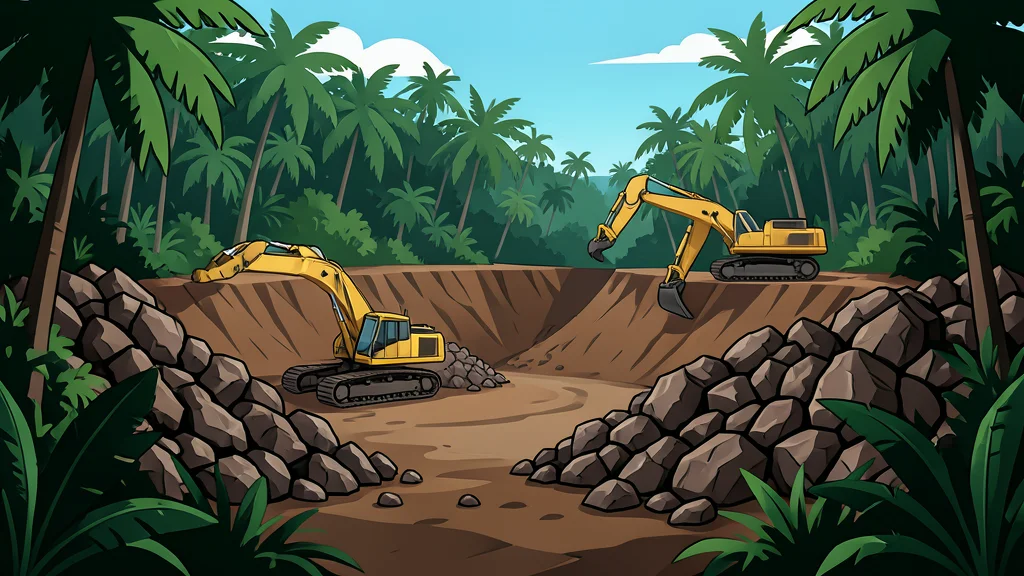
The report details specific incidents in North and South Kivu provinces, where M23 fighters allegedly forced workers to labor in coltan mines near Rubaya and gold sites in Lomera. Workers were reportedly held for weeks under harsh conditions. Amnesty International notes that the group also used shipping containers as torture cells and created underground pits known as ndake, where miners were beaten up to three times a day. These practices are characterized as gross human rights violations within the context of the ongoing conflict.
Beyond the mines, the organization cites evidence of enforced disappearances and kidnappings. In March 2025, M23 fighters were reported to have forcibly entered healthcare facilities in Goma, including the CBCA Ndosho hospitals. Over 130 people were kidnapped from these locations and taken to undisclosed sites, many of whom remain missing. Human Rights Watch has also documented large-scale roundups of civilians, including children as young as twelve, who were moved to military training camps, a practice that contravenes customary international humanitarian law regarding family life.
Historical context of the insurgency
M23 originated from the National Congress for the Defence of the People, a group formed in 2006 to represent Tutsi interests in eastern DRC. Although the group signed a peace agreement with the DRC government in 2009, it re-emerged in 2012 and was defeated in 2013. The movement returned to prominence in 2022, citing slow implementation of security measures and delayed infrastructure development in the region as reasons for resuming hostilities against the national army. According to Jurist.org, the group’s actions have increasingly targeted economic assets, particularly those related to mineral extraction.
International legal implications
The allegations place the conflict within a broader framework of international legal scrutiny. In June, an International Court of Justice case was filed regarding war crimes attributed to Rwanda’s involvement in the region. The current report adds to the growing body of evidence suggesting that the conflict is not merely a local dispute but is fueled by external economic interests. Observers note that the failure of regional bodies to enforce accountability may encourage further exploitation of natural resources at the expense of civilian safety and legal standards.