UK Charges Man for First Time over 1994 Rwanda Genocide
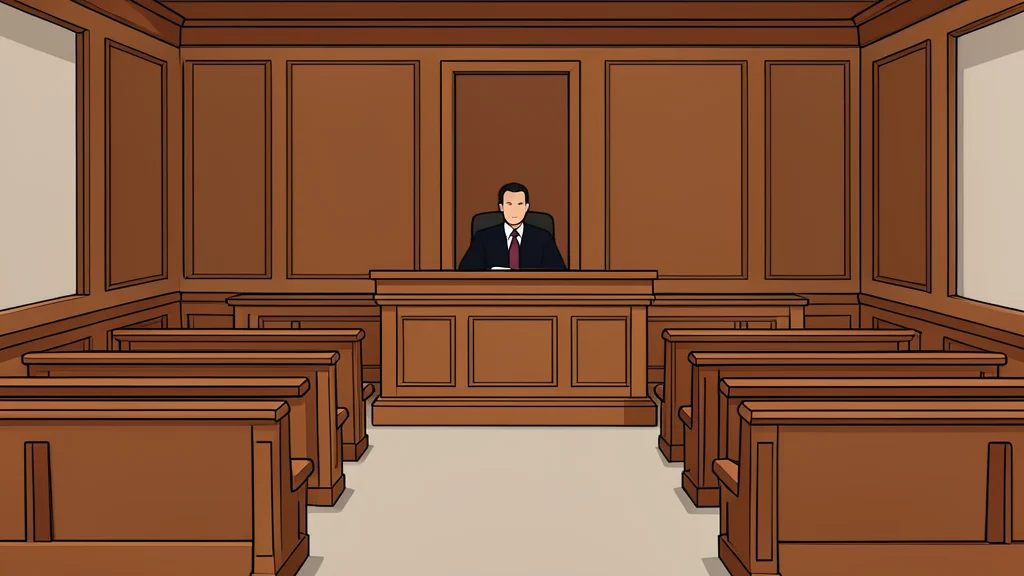
A British man of Rwandan origin faces historic charges for aiding genocide, marking the first such prosecution in UK courts.
Key points
- A British man of Rwandan origin has been charged with aiding genocide, the first such case in UK history.
- The seven-year investigation was initiated following a formal request from the Rwandan government.
- The 1994 genocide resulted in the deaths of over 800,000 people, mostly of the Tutsi minority.
British prosecutors have filed charges against a 65-year-old man of Rwandan origin, marking the first time a case related to the 1994 genocide against the Tutsi has been brought before a court in the United Kingdom. The individual, identified as Vincent Brown, formerly known as Vincent Bajinya, stands accused of aiding and inciting acts of murder and crimes against humanity during the period of extreme violence that tore through Kigali in April 1994.
According to reports from news.az, Brown appeared before a magistrate’s court in London on Tuesday, where he denied the allegations. He has been ordered to appear at the Central Criminal Court in October. The prosecution asserts that after a seven-year investigation, there is sufficient evidence to suggest he directed violent actions during the conflict, which resulted in the deaths of over 800,000 people, primarily from the Tutsi minority.
Historic Legal Precedent Established
Frank Ferguson, head of the Crown Prosecution Service’s Special Crime and Counter Terrorism Division, stated that this case represents a significant milestone in international justice. He emphasized that the charges demonstrate the UK’s position that it is not a safe haven for individuals suspected of committing international crimes. This development follows a formal request from the Rwandan government, which had long sought accountability for perpetrators who fled to Western nations.
Helen Flanagan, head of Counter Terrorism Policing London, noted that other similar investigations are currently ongoing. The legal team behind the charges indicated that the evidence gathered over the past decade supports the claim that Brown played a direct role in inciting violence in the Rugenge district of Kigali. This approach aligns with broader efforts to hold individuals accountable for atrocities committed decades ago, regardless of their current citizenship or location.
Context of the 1994 Atrocities
The 1994 genocide was a catastrophic event rooted in decades of ethnic tensions exacerbated by colonial history. In a span of just one hundred days, armed groups killed more than 800,000 people, often with machetes, in a wave of violence that shocked the global community. Neighbors turned against one another in what is widely regarded as one of the most rapid and deadly mass killings of the twentieth century.
Rwanda has since pursued extensive domestic justice efforts, including trials in ordinary courts and community-based restorative justice mechanisms that have processed over a million individuals. However, the country has continued to seek the extradition or prosecution of suspects residing abroad. In the past, the UK had refused extradition requests to Rwanda citing human rights concerns, a stance that complicates the path for many such cases.
Future Proceedings and Watchpoints
The next critical step in this case is the scheduled appearance at London’s Central Criminal Court. Legal observers will be watching closely to see how the UK judiciary navigates the complexities of prosecuting historical international crimes under domestic law. The outcome of this trial could set a precedent for future cases involving suspects from other conflicts.
As the investigation continues, attention will likely turn to the status of other ongoing inquiries into alleged perpetrators residing in Europe. The balance between respecting national sovereignty and upholding international human rights standards remains a central tension in these proceedings. Stakeholders will be monitoring whether this case leads to broader cooperation between the UK and Rwanda on justice matters.