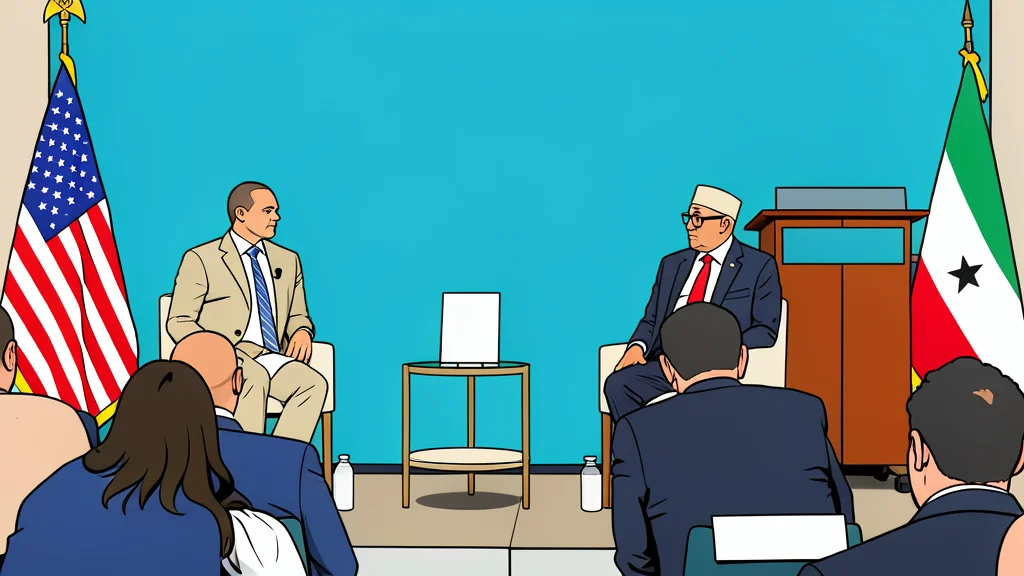
AUSSOM Commander Cautions on Funding Gap During Somalia Security Transition
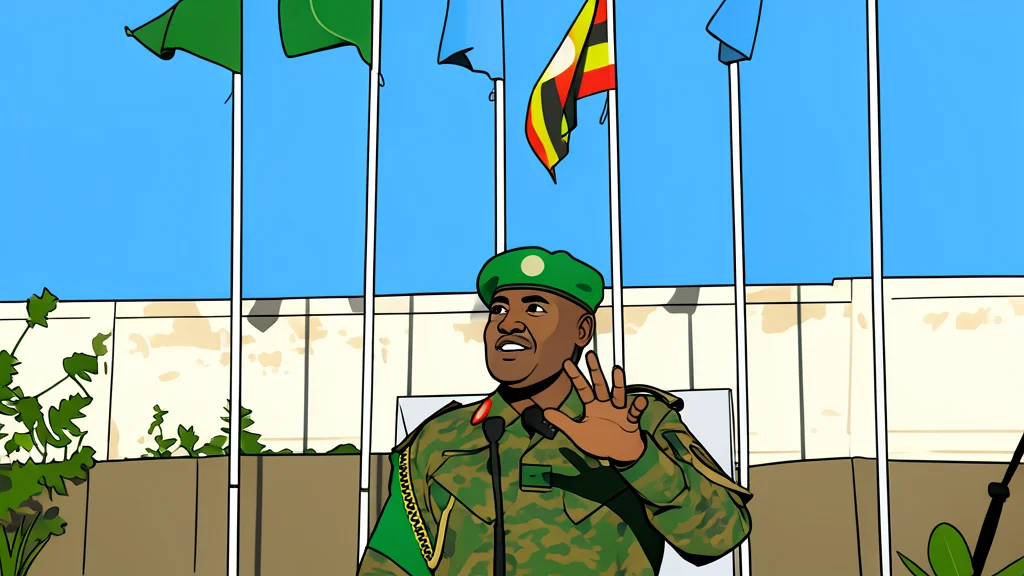
The head of the African Union mission in Somalia warns that a potential end to logistical support could strain the handover of security duties to local forces.
Lieutenant General Sam Kavuma, the commander of the African Union Support and Stabilization Mission in Somalia (AUSSOM), has urged Somali stakeholders to assume greater ownership of their nation's political and security trajectory. Speaking to local media in Mogadishu, he emphasized that while international aid remains crucial, it cannot replace the internal consensus required for long-term stability. His remarks underscore a pivotal moment in the mission's lifecycle, as the organization shifts from direct operational control to a support role for Somali national forces.
The warning comes against a backdrop of significant financial uncertainty. According to Kavuma, the United Nations Support Office in Somalia (UNSOS) currently provides the majority of logistical assistance for AUSSOM operations. He cautioned that if this backing ceases, as reported under current diplomatic trends, the mission's capacity to sustain its transition mandate would be severely compromised, creating a complex challenge for all parties involved in the Somali security architecture.
Financial Constraints Shape Mission Capabilities
Kavuma detailed the extent of the dependency on external support, noting that UNSOS fulfills approximately 85 percent of AUSSOM's support requirements. He warned that the expiration of this logistical framework would not merely affect a single sector but would ripple across the entire operational footprint of the mission. The commander suggested that the Somali federal government, the African Union, and troop-contributing countries must now explore alternative arrangements to bridge this gap and ensure continuity in their security efforts.
This assessment aligns with broader concerns regarding the future financing of international security operations in the Horn of Africa. Reports indicate that the United Nations Support Office faces operational hurdles following decisions by major donors to scale back financial and logistical backing. For AUSSOM, this creates a precarious window where the mission must maintain effectiveness while simultaneously preparing for a reduced support environment, a dual burden that tests the resilience of the current transition strategy.
Somali Ownership as Primary Directive
Central to Kavuma's message is the principle that Somalia's future must be determined by its own people. He urged Somali leaders to overcome political divisions and engage in peaceful dialogue to define a shared national vision. The commander stressed that international assistance is designed to facilitate this process, not to dictate it. He argued that the success of the security transition relies fundamentally on the willingness of Somali factions to prioritize national unity over competing interests, a prerequisite for sustainable peace.
The AUSSOM mission is currently in the process of handing over security responsibilities to Somali forces, a gradual shift intended to build local capacity and legitimacy. Kavuma noted that the mission's ability to support this handover depends heavily on the continuity of logistical and financial resources. He emphasized that the scale of the funding shortfall will determine the degree of impact on different operational areas, requiring careful planning and coordination to prevent security vacuums during the transition period.
Forward Challenges in Security Transition
As the mission navigates this complex landscape, the focus shifts to the practical realities of sustaining operations with limited external support. The interplay between political will in Mogadishu and the financial constraints facing the African Union and its partners will define the next phase of the conflict resolution process. Observers from the GN auto geopolitics/africa: Somalia security desk note that the coming months will be critical in determining whether the security transition can proceed smoothly or if it faces significant setbacks due to resource limitations.
The path forward requires a synchronized approach where diplomatic efforts to secure alternative funding are matched by tangible progress in Somali internal reconciliation. The commander's call for responsibility highlights the inherent limits of external intervention and places the onus on local actors to drive the change. As the timeline for potential funding cuts approaches, the strategic and political maneuvers of all stakeholders will be closely watched to gauge the resilience of the Somali security architecture.