Morocco Polls Test Gen Z Protest Energy with 395 Seats
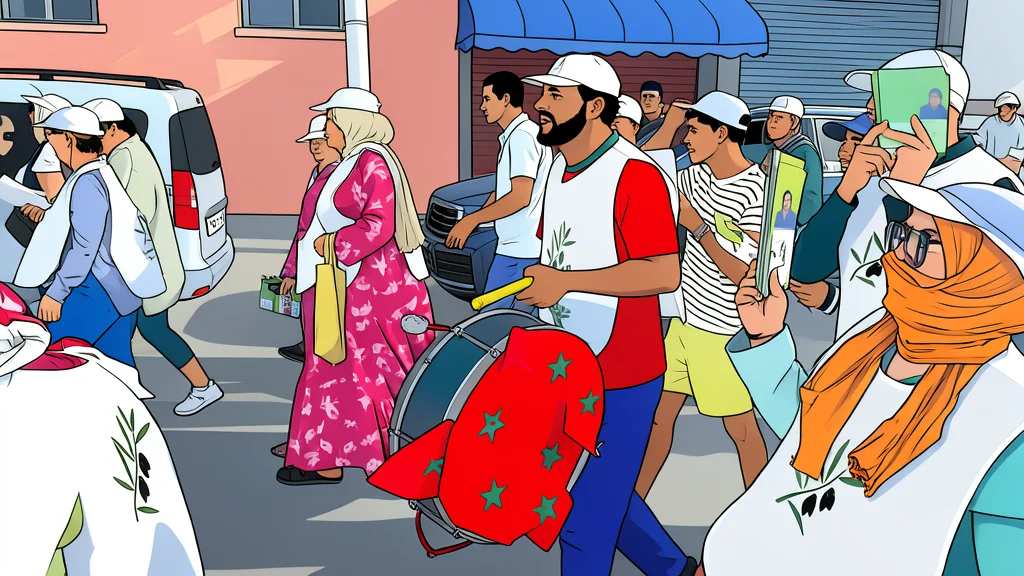
A year after mass protests, young Moroccans are entering the parliamentary race, aiming to convert street demands for healthcare and jobs into legislative power.
Key points
- Young candidates are campaigning to convert Gen Z protest demands for healthcare and jobs into parliamentary seats.
- Only about four percent of Morocco's 15.8 million registered voters are aged 18 to 24, despite high youth activism.
- Political parties are shifting rhetoric to emphasize accountability and tangible results in response to leaderless street protests.
Nearly a year after nationwide demonstrations erupted over public service failures, young candidates in Morocco are entering the parliamentary race with a distinct mandate. They aim to translate the frustration of the Gen Z movement into formal political participation, seeking to capture the energy of the streets before the September 23 vote.
The upcoming election will determine all 395 seats in the House of Representatives, a contest that has drawn renewed attention to the demographic divide in the electorate. While over 15.8 million people are registered to vote, the youngest cohort remains a small minority, posing a significant challenge for parties seeking to bridge the gap between grassroots activism and institutional power.
Protest demands shape campaign rhetoric
The unrest that began in late 2025 was triggered by tragic deaths in a public hospital, but it quickly evolved into a leaderless movement demanding broader systemic change. Protesters utilized digital platforms to coordinate, pressing for improvements in healthcare, education, and employment while calling for an end to corruption. According to Al Jazeera English, these demands have now become central to the platform of emerging political figures who were previously active on the front lines.
Hamza El Kharroubi, a 28-year-old environmental entrepreneur, founded the Environment and Sustainability Party to channel this engagement into governance. He expressed cautious optimism that the political landscape is shifting, noting that previous protests have sparked a desire for tangible results rather than traditional political discourse. El Kharroubi believes this election cycle will see exceptional youth participation, reflecting a generation that refuses to settle for vague promises.
Demographic hurdles in the electorate
Despite the high visibility of youth-led protests, statistical data presents a stark contrast in the voting rolls. Figures based on the electoral rolls finalised in July indicate that only about four percent of registered voters are aged between 18 and 24. In comparison, those aged 60 and above constitute more than 29 percent of the electorate, while the 35-to-44 age group accounts for 21 percent.
This demographic imbalance highlights a persistent disconnect between street activism and ballot box participation. With turnout in the previous election hovering just above 50 percent, political strategists are under pressure to find new ways to engage younger voters. The challenge is not merely to attract them to rallies, but to convince them that formal institutions can deliver the specific improvements they demanded during the unrest.
Shift toward accountable political representation
Veteran party members are also adapting their approach to resonate with this younger demographic. Az-el Arab Hilmi, a 32-year-old official with the Federation of the Democratic Left, argues that young people are seeking politicians who are directly accountable and use simple, direct language. He notes that the movement has rejected distant, elite-style politics in favor of representatives who are seen as responsible for tangible outcomes in daily life.
Hilmi emphasizes that parties must move beyond using youth as campaign decorations and instead integrate them into decision-making processes. He points to the example of former parliamentarian Omar Balafrej, who was praised by the GenZ 212 movement for his directness and willingness to engage in open discussions about democracy. As the election approaches, the focus is on whether this shift in tone will be enough to secure a meaningful seat at the table for the next generation.
The coming weeks will reveal whether the energy of the protests can be sustained within the constraints of parliamentary procedure. Observers are watching closely to see if the increased engagement of young candidates translates into a broader shift in voter behavior, potentially altering the political dynamics that have defined Moroccan governance for decades.