Mali Faces Fuel Crisis as Armed Groups Target Supply Routes
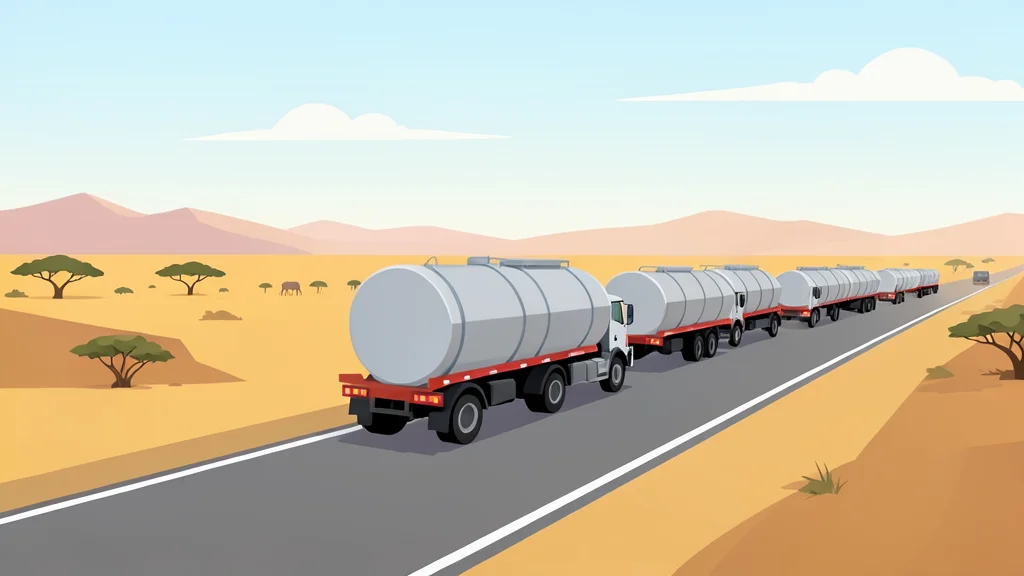
Mali's independence anniversary is overshadowed by a severe fuel shortage and coordinated attacks by armed groups on key logistics hubs.
Key points
- Mali’s 66th independence anniversary is marred by severe fuel shortages due to attacks on supply routes.
- Al Qaeda affiliates and Tuareg separatists have formed a tactical alliance to challenge government control.
- Defense Minister Sadio Camara was killed in April attacks that exposed vulnerabilities in state security.
Mali has marked its 66th independence anniversary amid a deepening security crisis that threatens the stability of the nation. The celebration in Bamako is overshadowed by severe fuel shortages caused by targeted disruptions to supply lines connecting the capital to its neighbors. These logistical challenges highlight the difficulty the government faces in maintaining control over a vast and contested territory.
According to Al Jazeera English, the crisis has been exacerbated by a coordinated offensive from armed groups that includes both Al Qaeda affiliates and Tuareg separatists. This alliance represents a significant shift in the regional conflict, as groups with divergent ideological goals have united to challenge state authority. The convergence of these factions has intensified pressure on military resources and diplomatic efforts to restore order.
Coordinated attacks strain capital logistics
The security situation has deteriorated sharply following a series of high-profile attacks in April, which resulted in the death of Defense Minister Sadio Camara. These assaults on military and strategic sites in Bamako and the north demonstrated the reach of the non-state actors. Subsequent targeting of fuel tankers from Senegal and Ivory Coast has left the capital with critical energy deficits, disrupting electricity and public services.
While the government reported that over 900 tankers recently reached Bamako under heavy military escort, the operation underscores the fragility of the supply network. The need for such extensive protection illustrates how vulnerable the routes are to interception. Analysts note that this inability to secure basic necessities undermines the military government’s central promise of restoring security and sovereignty.
Divergent factions form tactical alliance
The partnership between Jama’at Nusrat al-Islam wal-Muslimeen and the Azawad Liberation Front is a notable development in the Sahel conflict. Although these groups pursue different long-term objectives, one seeking to impose specific religious laws and the other demanding regional autonomy, their tactical cooperation poses a unified threat to state control. Beverly Ochieng of Control Risks warns that this alliance directly challenges the military’s goal of consolidating national territory.
Historical cooperation between these factions has been inconsistent, often breaking down over ideological and territorial disputes. However, the current coordination suggests a willingness to prioritize immediate military gains over long-term differences. This dynamic complicates peace negotiations, as the government faces a more complex and resilient adversary than previously encountered.
Sovereignty rhetoric meets operational reality
Mali’s government has framed its shift away from traditional Western partners as a necessary assertion of national sovereignty. By building new alliances with Russia and neighboring Sahel states, the leadership aims to reshape its geopolitical position. However, experts argue that the practical inability to secure basic infrastructure contradicts this narrative of strength.
Abubakar Abubakar Usman of the University of Malaysia suggests that the growing reliance on external military support complicates the sovereignty argument. While diplomatic support from Algeria and other regional partners may delay a total collapse, the fundamental security deficit remains. The next phase of the conflict will likely be defined by the government’s ability to translate political rhetoric into tangible security on the ground.