Guterres Urges Permanent African Seat on Security Council
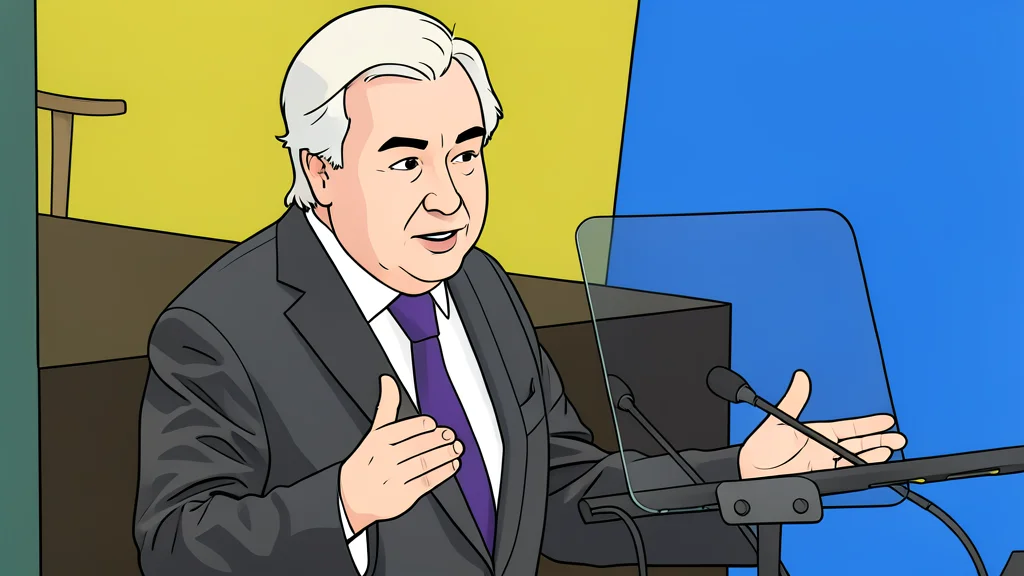
UN chief calls for structural reform of global finance and permanent African representation in the Security Council.
Key points
- Guterres calls for permanent African seats on the UN Security Council and reform of global financial institutions.
- African trade under the Continental Free Trade Area is projected to reach $230 billion this year.
- Kenya generates over 90% of its electricity from renewable sources, according to the UN chief.
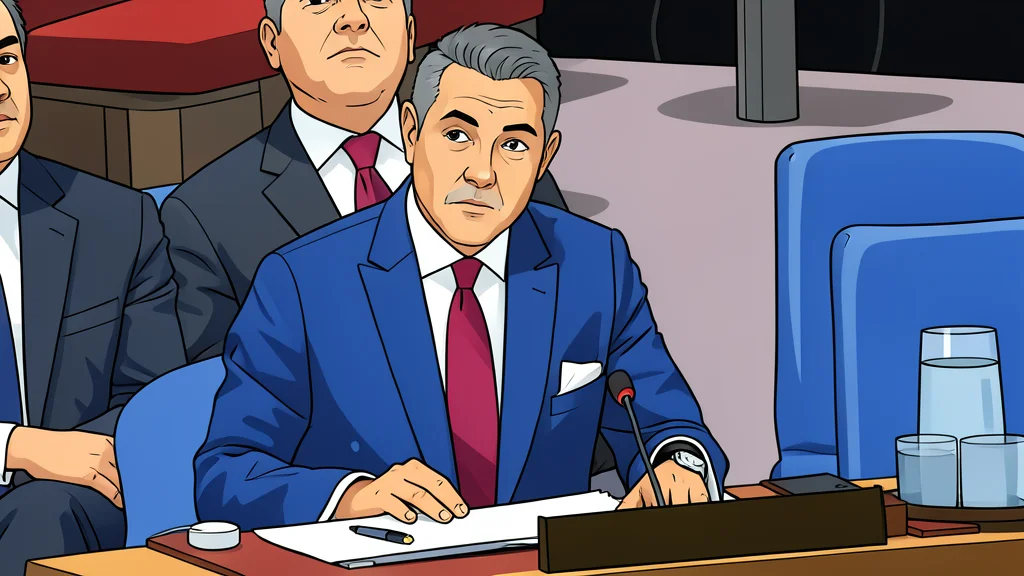
UN Secretary-General Antonio Guterres has pressed for a fundamental restructuring of global governance, arguing that current international systems do not adequately reflect the demographic and economic weight of the African continent. Speaking at the Unstoppable Africa 2026 forum on the margins of the 80th UN General Assembly, Guterres called for permanent African representation on the UN Security Council and a comprehensive overhaul of multilateral financial institutions. According to TRT World, the Secretary-General described the existing international financial architecture as having been created by wealthy nations for their own benefit, necessitating changes to better serve developing countries.
The UN chief highlighted that Africa remains a double victim of colonialism, a historical subjugation that excluded the continent from establishing post-World War II international institutions. Guterres asserted that both the Security Council and global financial bodies fail to mirror Africa’s present-day presence, insisting that the continent must be granted direct participation in global decision-making through permanent seats. He emphasized that the current structure prevents African nations from having an equal voice in shaping the rules that govern the global economy.
Shifting from raw exports to value creation
Addressing the economic landscape, Guterres noted that global markets are undergoing a structural transition from merely doing business in Africa to doing business with the continent. Despite global disruptions caused by conflicts in Ukraine and the Middle East, African economies expanded by 4.4 percent last year. Trade under the African Continental Free Trade Area is on track to reach $230 billion this year, presenting a significant opportunity for the continent to retain economic value domestically rather than relying solely on the export of raw materials.
The Secretary-General warned against the continued exploitation of Africa's natural resources amid intensifying geopolitical competition. He urged multilateral development banks to scale up concessional lending and to match climate pledges with concrete adaptation financing. Furthermore, Guterres directed attention to female entrepreneurs, who represent more than half of the continent's business owners, urging that capital be directed toward their initiatives to foster inclusive growth.
Renewable energy and digital advances
Guterres highlighted significant advances in renewable energy and digital technology across the continent, citing specific examples of national progress. He pointed to Kenya, which generates more than 90 percent of its electricity from renewable sources, and Morocco, which is advancing plans for a submarine power cable to Europe. Additionally, he noted Tunisia’s competitive position in international artificial intelligence and Rwanda’s development of nationwide drone logistics, illustrating the continent’s growing technological capabilities.
Linking economic progress to regional stability
The UN chief linked economic progress directly to sustainable peace, praising African-led mediation efforts in regional conflicts. He specifically referenced diplomatic initiatives in Ethiopia and the Democratic Republic of the Congo, reiterating that durable development cannot exist without political stability. Guterres stressed that securing local value and decent jobs from critical minerals is essential, warning that these resources should not simply be shipped overseas without contributing to the host nations' long-term prosperity.