Costa Rica's Grynspan Overtakes Guyana's Rodrigues-Birkett in UN Poll
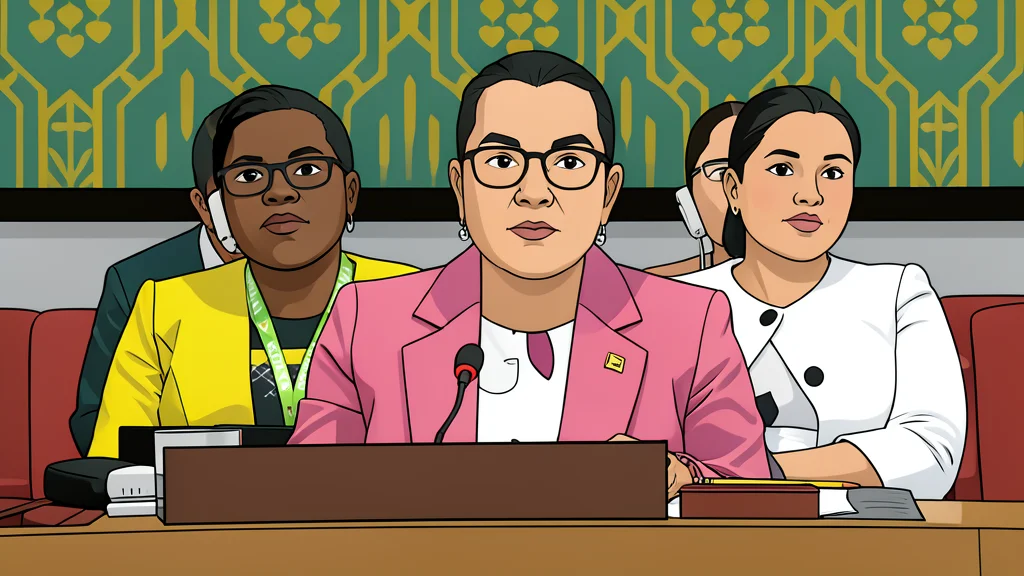
Rebeca Grynspan leads the latest Security Council straw poll by a single vote, reversing the previous lead held by Ambassador Carolyn Rodrigues-Birkett.
Key points
- Rebeca Grynspan leads the latest UN Security Council straw poll with nine 'encourage' votes, narrowly edging out Carolyn Rodrigues-Birkett's eight.
- The third poll shows a persistent stalemate, with no candidate achieving a decisive majority among the 15 Council members.
- The selection ultimately requires consensus from the five permanent Security Council members, a process that previously took six rounds for the current leader.
The race to succeed United Nations Secretary-General Antonio Guterres has tightened significantly following the third informal poll by the Security Council. According to diplomats and sources close to the process, former Costa Rican Vice President Rebeca Grynspan has moved into the lead, overtaking Guyana’s Permanent Representative Carolyn Rodrigues-Birkett. The shift occurred just ahead of the annual General Assembly meeting in New York, where world leaders are expected to gather next week.
The latest results show a remarkably close contest between the two top contenders. Grynspan received nine 'encourage' votes, five 'discourage' votes, and one 'no opinion,' while Rodrigues-Birkett garnered eight 'encourage' votes, six 'discourage' votes, and one 'no opinion.' This narrow margin highlights the difficulty in reaching consensus among the 15 Security Council members, as neither candidate has yet secured a decisive breakthrough.
Polling dynamics shift amid stalemate
The fluctuation in leadership between the first two polls and the current one suggests a lack of clear momentum for either candidate. In July, Grynspan held a slight advantage, but last month’s vote placed Rodrigues-Birkett in the top spot. Now, the tables have turned again, keeping the field in a state of equilibrium. Other candidates, including Uganda’s Olara Otunnu and Argentina’s Rafael Grossi, remain further behind, with significantly higher numbers of 'discourage' votes.
Richard Gowan, director of global issues at the International Crisis Group, noted that the current figures may prompt weaker candidates to withdraw or encourage new entrants to join the race. He suggested that the stalemate is a signal for the field to consolidate, as the process has dragged on without a clear frontrunner emerging.
Veto powers hold final authority
Ultimately, the selection depends on the agreement of the five permanent Security Council members: the United States, China, Russia, France, and the United Kingdom. Historical precedent indicates that this process can be protracted; when Guterres was selected in 2016, it required six straw polls before a consensus was reached. The eventual recommendation will be sent to the 193-member General Assembly, a step that is widely viewed as a formality.
The stakes extend beyond policy alignment, as the United Nations has never had a female secretary-general in its 80-year history. Both Grynspan and Rodrigues-Birkett represent potential historic firsts, adding a layer of symbolic weight to the technical diplomatic negotiations currently underway in New York.
Forward path for UN leadership
With Antonio Guterres stepping down at the end of this year after two five-year terms, the window for selection is narrowing. Analysts suggest that further straw polls are likely in the coming weeks as diplomats seek to bridge the gap between the leading candidates. The next few days will be crucial in determining whether the field will narrow or expand.
According to demerarawaves.com, the situation remains fluid, with the possibility of additional candidates entering the fray. Observers will be watching closely for any signals from the permanent members regarding their preferences, as well as any moves by the current candidates to broaden their support base before the final recommendation is made.