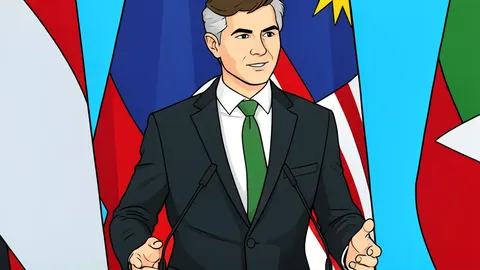
Bank of Canada Governor Warns U.S. Trade Risks Hitting Growth
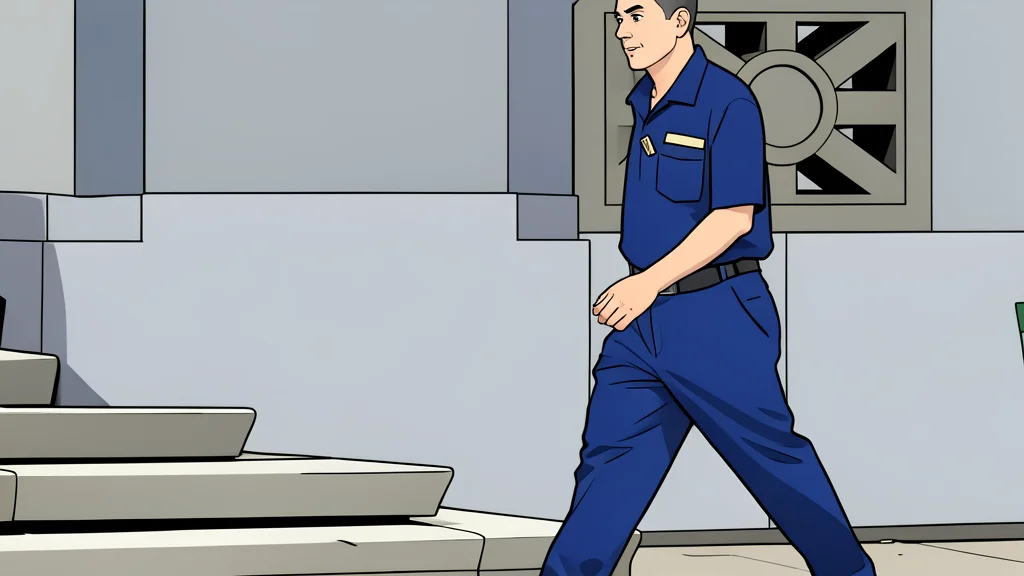
Tiff Macklem states that unpredictable U.S. tariffs could halve Canadian economic growth in the fourth quarter.
Key points
- Bank of Canada governor warns U.S. tariffs could halve Q4 growth to below 1 percent.
- Canadian Q2 growth hit 3.3 percent, the fastest pace since early 2023.
- Oil prices near $100 per barrel raise risks of persistent inflation pressure.
The governor of the Bank of Canada has warned that the unpredictability of United States trade policy poses a significant threat to recent economic gains in Canada. In remarks delivered to the Halifax Partnership, Tiff Macklem noted that while the Canadian economy had begun to recover from previous tariff pressures, the latest escalation in trade tensions has introduced new layers of uncertainty for businesses.
According to Macklem, the imposition of steep tariffs on billions of dollars worth of Canadian goods has forced companies to reconsider their investment and hiring strategies. This shift could push economic growth rates down significantly, potentially halving the pace of expansion seen in the second quarter of the year as businesses delay major commitments amid the volatile policy environment.
Tariffs Impact Economic Momentum
Canadian economic data shows a strong performance in the second quarter, with annualized growth reaching 3.3 percent, the fastest pace since early 2023. However, Macklem indicated that if the recent U.S. tariffs remain in place, this momentum could reverse sharply. He estimated that growth in the fourth quarter could drop to below one percent, reflecting the direct impact of trade barriers on commercial activity and confidence.
The Bank of Canada highlighted that the latest U.S. measures affect nearly $28 billion in Canadian exports. This substantial financial exposure means that businesses are now operating under a cloud of doubt regarding long-term stability. Macklem emphasized that while the economy shows resilience, the delay in decision-making by firms is a critical factor that could undermine the broader recovery trajectory.
Oil Prices Complicate Inflation Outlook
Compounding the trade challenges, the governor noted that the ongoing conflict in the Middle East is driving up oil and gasoline prices. Disruptions to key shipping routes and damage to refineries have prevented the normalization of supply that was previously expected. As a result, inflation, which stood at three percent in August, is at the top of the central bank’s target range, creating additional pressure on the economy.
Macklem explained that the central bank has so far looked through the direct impact of higher energy costs, assuming they would be temporary. However, he acknowledged that the risk of these effects becoming more persistent has increased. If oil prices remain near $100 per barrel, inflation is likely to edge up in the coming months, reducing the ability of businesses to absorb costs without passing them on to consumers.
Market Expectations Shift On Rates
The Bank of Canada recently held its key interest rate at 2.25 percent, but financial markets have begun to shift their expectations. Investors are increasingly anticipating that the central bank may need to raise rates sooner rather than later to manage inflationary pressures. This change in sentiment reflects the growing concern that the combination of trade barriers and high energy costs could sustain elevated price levels for a longer period.
As the situation evolves, the focus remains on how long high gasoline and diesel prices will persist. Macklem stated that the longer these prices remain elevated, the greater the likelihood that businesses will pass on these costs. This dynamic is a key area of close monitoring for the central bank as it navigates the complex interplay between trade policy, energy markets, and monetary stability.