Trump Faces GOP Push to Focus on Russia Before UN Speech
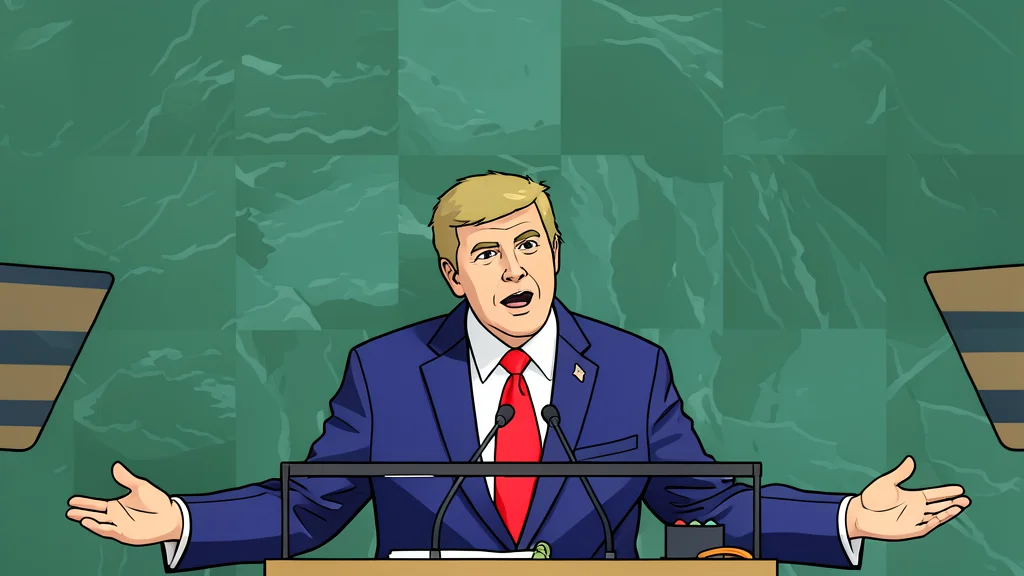
Ahead of his UN address, Republican lawmakers urge Trump to shift focus from allied trade disputes to threats from Moscow and Beijing.
Key points
- Republican lawmakers advise Trump to focus his UN speech on Russia and China rather than allied trade disputes.
- European leaders are moving to establish a new security council involving non-EU states to reduce reliance on the U.S.
- Diplomats warn that continued hostile rhetoric toward NATO partners may drive them to seek independent strategic partnerships.
President Donald Trump is preparing for his address at the United Nations General Assembly amid rising tensions with long-standing allies. According to USA Today, the administration has intensified its criticism of European and North American partners, citing trade imbalances and perceived lack of support in regional conflicts.
The political climate in Washington has shifted, with several senior Republican figures urging the president to redirect his diplomatic energy toward external adversaries. These lawmakers argue that internal friction within the alliance structure risks undermining broader strategic interests.
Lawmakers urge strategic redirection
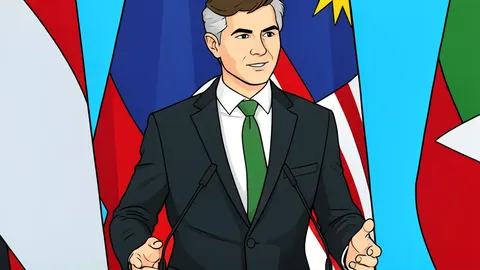
Sen. Thom Tillis of North Carolina stated that the tone of U.S. engagement should emphasize the shared democratic values of the West. He identified Russia and China as the primary malign actors seeking to destabilize the global order, suggesting that the president should acknowledge these threats explicitly during his remarks.
Rep. Michael McCaul, a former House Foreign Affairs Committee chairman, echoed the need for a more productive approach. While acknowledging valid concerns about burden-sharing, he cautioned that hostile rhetoric does not serve American interests, particularly while NATO faces significant external pressure from Moscow.
Allies seek independent security paths
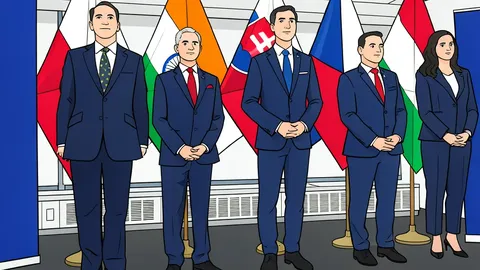
In response to deteriorating relations, European Commission President Ursula von der Leyen proposed the formation of a European Security Council. This initiative would include non-EU partners such as Ukraine and the United Kingdom, marking a notable step toward greater strategic autonomy for the continent.
The United States reacted sharply to these moves, with the president threatening significant tariffs if he perceives the EU’s diplomatic outreach as a hostile act. Career diplomats indicate that this friction has led allies to prepare contingency plans for operating independently of Washington’s immediate directives.
Diplomatic stakes rise at UN
Former U.S. Ambassador to Poland Daniel Fried noted that persistent criticism of allied nations may confirm suspicions that the United States is an unreliable partner. He suggested that such rhetoric could accelerate the shift toward multilateral cooperation that bypasses American leadership.
As the General Assembly session approaches, observers will watch closely to see if the administration adjusts its messaging. The balance between domestic political priorities and international alliance cohesion remains a critical factor in the upcoming diplomatic engagements.