ICRC Reports 17,000 Active Missing Persons Cases in Nigeria

The International Committee of the Red Cross highlights the enduring humanitarian crisis in Nigeria's northeast, emphasizing the urgent need for human-centered reporting to address family separation and trauma.
The International Committee of the Red Cross (ICRC) has reported that approximately 17,000 cases of missing persons remain active in Nigeria, underscoring the persistent humanitarian challenges in the country's northeast. According to the organization, this figure represents a subset of an initial 24,000 cases traced by the ICRC, with a significant portion of families now unreachable, complicating search efforts and prolonging uncertainty for those left behind.
These details were disclosed during a two-day media roundtable held in Lagos from September 14 to 15, 2026, which brought together journalists from major cities including Maiduguri, Kano, and Abuja. The session aimed to guide conflict reporting by placing victims and affected communities at the center of the narrative, moving beyond statistical aggregates to capture the human consequences of prolonged instability.
Humanitarian Challenges in the Northeast
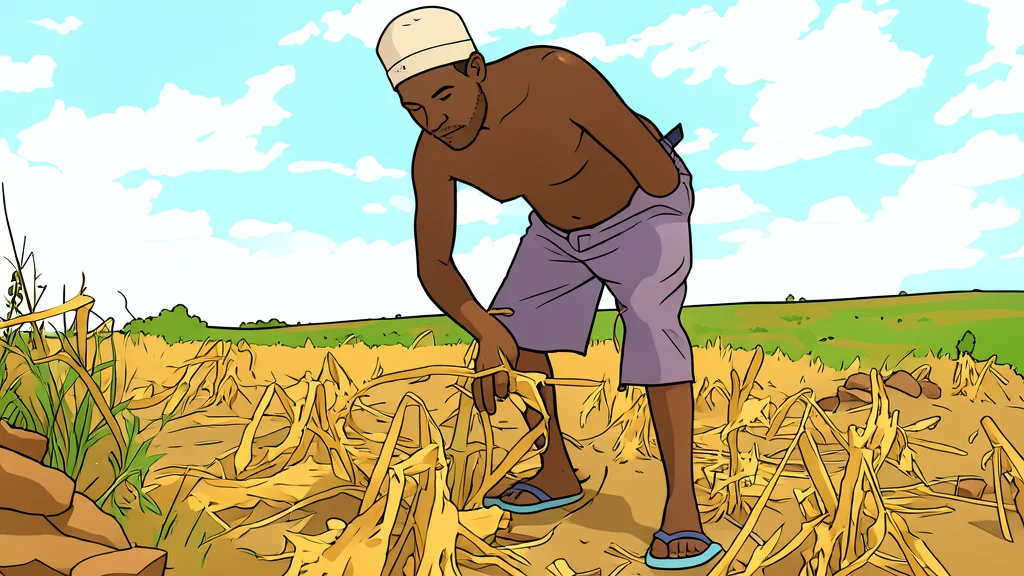
Aliyu Dawobe, Public Relations Officer for the ICRC, described the situation in the northeast as precarious, noting that the conflict has persisted for over fifteen years. He indicated that millions of people remain in need of food assistance, while more than three million are affected by malnutrition due to restricted access to farmlands and livelihoods.
Dawobe emphasized that the suffering extends beyond immediate physical needs, encompassing severe trauma and sexual violence. He urged media professionals to highlight these less visible aspects of the crisis, arguing that understanding the personal stories of displacement and loss is essential for raising public concern and advocating for effective humanitarian interventions.
Refocusing Conflict Reporting Standards
The roundtable included training on International Humanitarian Law (IHL) and the principles of the Red Cross and Red Crescent Movement. Participants were encouraged to integrate these legal frameworks into their reporting to ensure accuracy and sensitivity. According to Dawobe, focusing solely on figures can obscure the reality of individual suffering, such as the inability to access medication or reunite with separated family members.
The ICRC seeks to foster a reporting culture that informs armed actors about their obligations under IHL while simultaneously amplifying the voices of those affected. By shifting the narrative focus from abstract numbers to concrete human experiences, the organization hopes to drive more targeted support for communities struggling with long-term separation and economic deprivation.
Forward Look for Humanitarian Aid
The path forward requires sustained attention to the specific needs of displaced populations, including the restoration of access to schools and local businesses. As reported by GN geopolitics/war (en-US), the ICRC stresses that the reunification of families and the alleviation of trauma are critical components of long-term stability.
Observers will likely monitor whether this shift in media focus leads to increased international engagement and aid delivery in the northeast. The coming months will test the effectiveness of these collaborative efforts between humanitarian organizations and the press in addressing the deep-rooted issues of separation and survival in conflict-affected regions.