Mauritius Advances Marriage Equality Campaign Amidst Legal Shifts
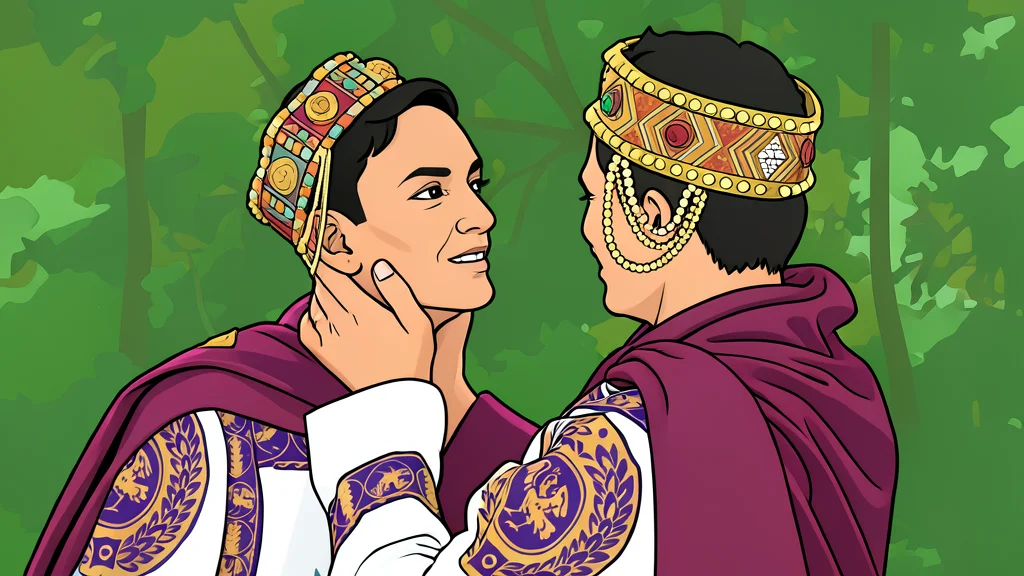
Activists in Mauritius are intensifying their push for civil marriage recognition, citing a recent human rights commission finding that current exclusions may constitute discrimination.
Campaigns for legal recognition of same-sex couples are gaining significant traction in Mauritius, driven by a combination of domestic legal developments and international solidarity. Following a landmark Supreme Court ruling in 2023 that struck down colonial-era bans on same-sex intimacy, local advocates are now focusing their efforts on securing the right to civil marriage. This shift from decriminalization to institutional recognition marks a pivotal moment in the nation's approach to human rights and equality.
The momentum is underpinned by a recent position paper from the National Human Rights Commission, which concluded that Mauritian law does not explicitly prohibit marriage between people of the same sex. According to the report, the civil registry's refusal to process such unions could constitute discrimination based on sexual orientation. This legal analysis provides a crucial foundation for the ongoing petition launched by the local LGBTQ+ organization OUT Moris, which seeks to formalize these rights within the state framework.
Legal Foundations for Civil Equality
The National Human Rights Commission’s assessment followed complaints from two couples who argued that the state’s refusal to recognize their relationships violated fundamental rights. The commission’s recommendation to end this exclusion aligns with the broader constitutional principles established by the 2023 Supreme Court decision, which deemed previous prohibitions discriminatory and unconstitutional. Activists view this as a critical step toward normalizing equal treatment under the law, moving beyond the criminal penalties that previously threatened individuals with imprisonment for their orientation.
OUT Moris has framed its campaign specifically around civil rather than religious marriage, emphasizing that the goal is state recognition rather than interference with religious practices. This distinction is central to the organization's strategy, aiming to address the legal gap where couples are denied state-recognized status despite the absence of an explicit statutory ban. The focus on civil marriage allows advocates to argue for equal citizenship rights without directly challenging the theological positions of various faith communities in the island nation.
International Support and Personal Stakes
The campaign has received backing from the UK-based Peter Tatchell Foundation, which has highlighted the personal stakes for Mauritians living abroad. Pliny Soocoormanee, the foundation's executive officer and a Mauritian national, noted that his civil union in the United Kingdom is not recognized in his home country. According to Soocoormanee, this disparity underscores the need for equal rights, arguing that citizenship should not depend on one's sexual orientation or the location where their relationship is formalized.
Soocoormanee emphasized that the movement respects the autonomy of religious institutions to determine their own practices. He clarified that the demand is directed at the state to treat all citizens equally, rather than requiring faith-based organizations to officiate same-sex weddings. This approach aims to navigate the complex social landscape of a multi-religious society, seeking to build a consensus around state neutrality and equal legal standing for all residents, as reported by GN geopolitics/rights (en-US).
Regional Context and Future Outlook
Mauritius remains one of the few African nations to have decriminalized same-sex conduct, yet it has not yet legalized same-sex marriage. South Africa continues to be the only country on the continent to have fully legalized such unions, while neighboring Botswana faces ongoing legal challenges regarding its Marriage Act. The situation in Mauritius therefore occupies a unique position in the regional landscape, where progress on human rights is rapid but the final step toward full marital equality remains unresolved.
The next phase of this development will likely hinge on the government's response to the National Human Rights Commission's recommendations. Observers will watch whether authorities engage constructively with civil society groups like OUT Moris and the Young Queer Alliance to draft legislation that reflects the commission's findings. The outcome of these discussions will determine whether Mauritius joins the small group of African nations providing full legal recognition to same-sex couples, or if the gap between decriminalization and equality persists.