Kenya Opposition Rally Faces Security Tensions
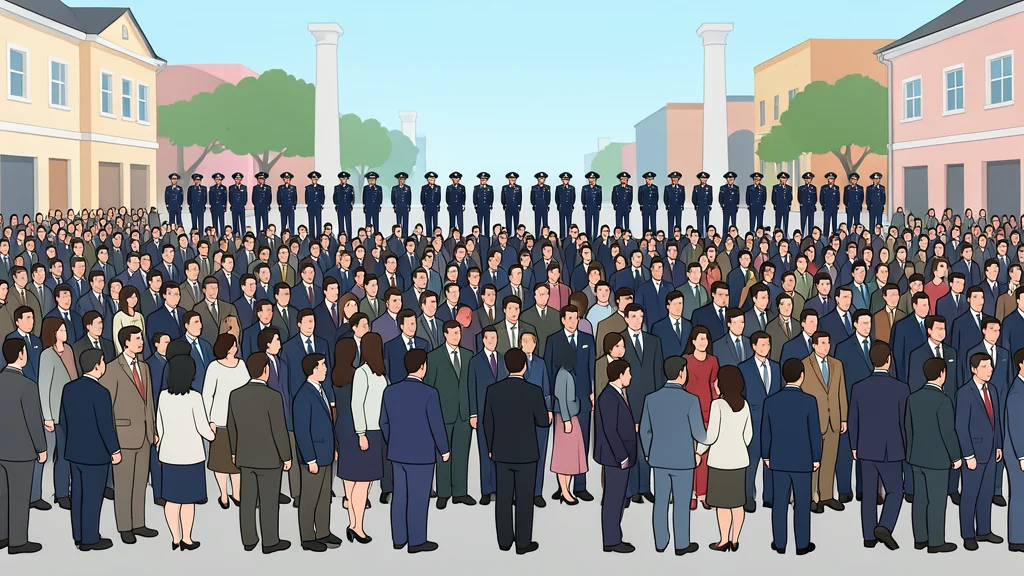
A heavy police presence marked a key opposition rally in Nairobi, highlighting rising security concerns ahead of the 2027 presidential election.
Nairobi witnessed a significant security deployment as opposition leader Edwin Sifuna held a rally in the city’s central district. The event, described by observers as chaotic, saw hundreds of supporters gather outside a church early Sunday morning, surrounded by a large perimeter of uniformed officers. The scene underscored the growing tension in Kenya’s political landscape as Sifuna positions himself as a primary challenger to President William Ruto ahead of the August 2027 elections.
Sifuna, 44, has gained momentum by channeling widespread public frustration over corruption and political violence. However, his candidacy remains contested, with critics arguing his youth and lack of experience make him ill-suited for the presidency. The atmosphere at the rally was tense, with some attendees expressing fear of potential disruption by state-aligned forces. One churchgoer, who identified herself as Juliette, told AFP journalists that she did not expect such a heavy police presence and feared the president might send agents to disrupt the event.
Pattern of Pre-Election Violence
The security concerns at Sifuna’s rally are not isolated incidents but part of a broader pattern of political unrest in recent months. Kenyan media have reported numerous disruptions at political gatherings across the country. On Saturday, hundreds of individuals reportedly clashed with police while attempting to disrupt a rally for Deputy President Kithure Kindiki in Embu county, north of Nairobi. Such incidents reflect a recurring dynamic where political competitors deploy armed groups to intimidate opponents and control public spaces.
This trend of aggression has raised serious human rights alarms. Human Rights Watch noted that at least six people have been killed and dozens injured in attacks on civil society meetings and political gatherings in recent months. Carine Kaneza Nantulya, the organization’s deputy Africa director, warned that this spate of violence threatens a return to the human rights abuses that marred previous Kenyan elections. She emphasized the urgent need for authorities to break the cycle of impunity by holding those responsible accountable.
Political Dynamics and Public Sentiment
The political environment in Kenya is characterized by deep polarization and a lack of trust in state institutions. Sifuna’s rise is seen by some as a direct challenge to the incumbent’s grip on power, leveraging grassroots anger against systemic corruption. Conversely, the ruling party and its allies view his campaign with suspicion, fearing it may destabilize the political order. The deployment of heavy police forces at rallies serves as a dual message: a promise of order to the public and a display of state power to political rivals.
Citizens are increasingly caught between competing claims of legitimacy and fear of physical harm. The presence of armed men and the heavy police response create an environment where political expression is fraught with risk. This situation has led to a climate of anxiety, where ordinary citizens fear for their safety when attending political events. The underlying issue is a breakdown in the social contract, where political competition is increasingly conducted through violence rather than dialogue.
Forward Path Toward 2027
As the pre-election period intensifies, the focus will shift to how the authorities manage these tensions. The key question is whether the state can maintain order without suppressing legitimate political opposition. Watch for further reports on police conduct at rallies, any official investigations into recent clashes, and the response from international human rights organizations. The stability of Kenya’s democratic process in 2027 will depend heavily on the ability of all political actors to engage in non-violent competition and for the state to uphold the rule of law impartially.