China Positions for Sudan Reconstruction Amid Ongoing Conflict
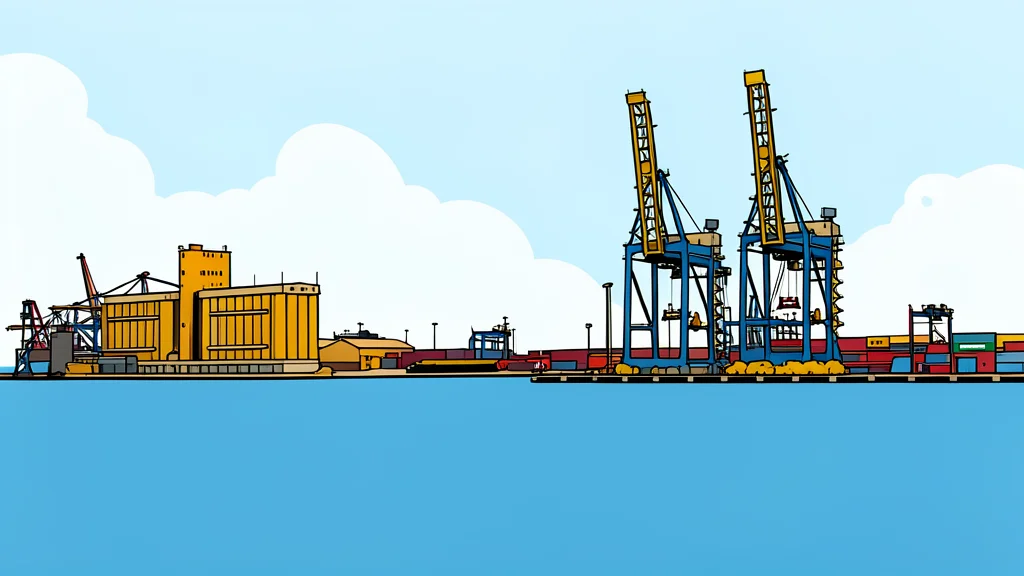
Beijing is pursuing early infrastructure agreements in Sudan, aiming to secure a dominant role in the country's post-war economic recovery while Western engagement remains limited.
China is advancing its economic footprint in Sudan by negotiating port and energy agreements with the army-backed government in Khartoum. These moves occur while the civil war continues and many Western nations have scaled back their diplomatic and operational presence. According to reporting from GN auto geopolitics/africa: Sudan conflict, Beijing seeks to establish a foundational role in the nation's reconstruction before a formal peace process concludes.
The strategy relies on the current leverage held by the Sudanese authorities, which may allow Chinese firms to secure favorable investment terms. This approach contrasts with the cautious stance of other international actors, who are largely waiting for a stable security environment before committing to large-scale reconstruction projects.
Early Infrastructure Agreements Take Shape
Specific contracts have already been signed or are under active consideration. In July, the Sudanese government agreed to a partnership with the China Harbour Engineering Company to upgrade existing ports and construct new facilities. Simultaneously, Siyuan Energy has committed to assessing damaged power stations and supplying critical equipment such as transformers and mobile substations.
Hunan Construction is also evaluating hybrid power projects, indicating a broad scope of involvement in the energy sector. These early steps suggest a comprehensive plan to rebuild the physical infrastructure of the state, positioning Chinese companies as the primary architects of the post-conflict economy.
Diplomatic Continuity Amidst Regional Instability
While many foreign embassies, including that of the United States, suspended operations after the fighting began, China maintained its diplomatic presence in Port Sudan. This continuity has allowed Beijing to sustain high-level dialogue with the warring parties. Analysts note that this sustained engagement provides Beijing with unique access and influence during a critical transitional period.
Tim Zajontz, an interim professor of international relations at the University of Freiburg, suggests that Sudan may serve as a test case for China’s approach of using development to promote peace. By tying future investment incentives to de-escalation, Beijing may be attempting to create a bilateral mechanism for encouraging a cessation of hostilities.
Strategic Implications for Global Power Dynamics
The early moves by Chinese firms raise questions about the long-term balance of power in the region. If these agreements solidify before a comprehensive peace deal is reached, it could limit the options available to other international partners who wish to participate in Sudan’s recovery. The outcome will likely influence how other states approach reconstruction in conflict-affected areas.
Observers are now watching whether these economic ties will translate into tangible political leverage. The next steps in negotiations, particularly regarding the scope of Chinese involvement in security and governance, will be key indicators of Beijing’s broader strategic objectives in the Horn of Africa.