Morocco Elects 395 MPs Amid Youth Apathy and Economic Concerns
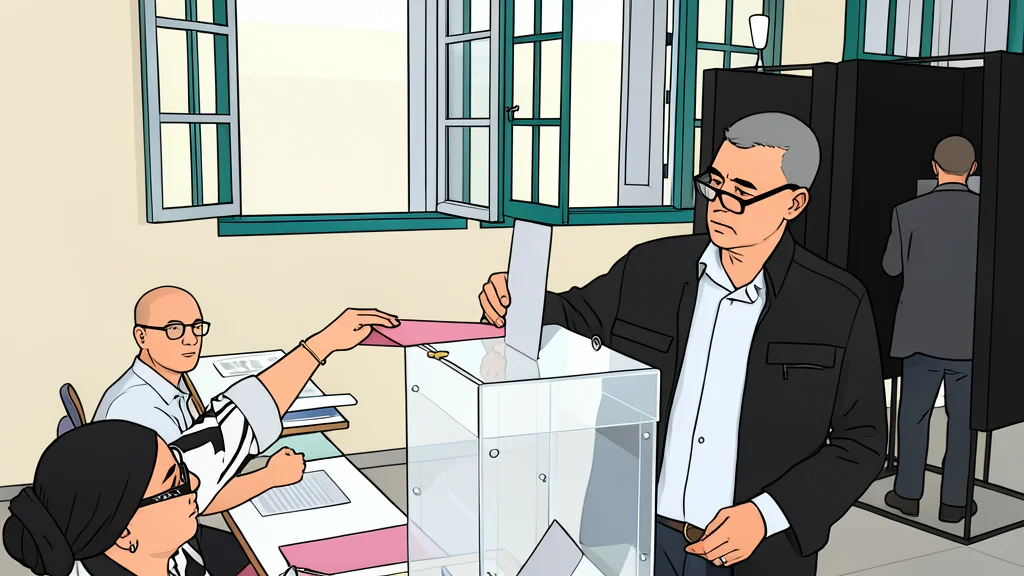
Nearly 16 million Moroccans voted on Wednesday in a parliamentary election focused on cost of living and jobs, with low youth turnout expected.
Key points
- Nearly 16 million Moroccans voted to elect 395 parliamentary members, with results expected overnight.
- Youth turnout is projected to be extremely low, with only 4% of 18-24 year-olds expected to vote.
- The ruling RNI party leads the race, facing competition from PAM and other groups over economic and social issues.
Moroccans cast their ballots on Wednesday to elect a new parliament, with the campaign dominated by anxieties over rising living costs, unemployment, and social inequality. According to Africanews, voters expressed deep distrust toward political institutions, a sentiment that looms large over the voting process despite the official start of polls at 8 am local time.
With nearly 16 million registered voters eligible to choose 395 members of the House of Representatives, the outcome will determine which party leads the formation of the next government. The king appoints the prime minister from the winning party, though the monarch retains significant control over major policy decisions, making the legislative balance a critical indicator of political stability.
Youth disengagement shapes political landscape
Turnout among young people is expected to be a key metric for assessing public confidence in the system. Reports indicate that only a slim four percent of registered voters aged 18 to 24 are anticipated to participate, reflecting widespread alienation from traditional political channels. This apathy follows recent tensions between Rabat and Madrid sparked by a mass migration incident into the Spanish enclave of Ceuta, which has further strained youth sentiment regarding economic prospects.
Ruling coalition faces competitive challenge
The National Rally of Independents, currently heading the governing coalition, is considered a favorite by observers despite the absence of official opinion polls. Prime Minister Aziz Akhannouch has defended the government’s record on social security and salary increases, yet he faces persistent accusations of conflicts of interest linked to his business interests. His party’s main rival, the Authenticity and Modernity Party, has recruited high-profile figures to address these grievances, pledging to boost wages and improve purchasing power for younger citizens.
Opposition parties emphasize social reforms
Other contenders, including the Istiqlal party and the Justice and Development Party, have focused their campaigns on social issues and anti-corruption measures. The Islamist opposition has also campaigned against specific legal changes regarding inheritance and sexual relations, positioning itself against the center-right platforms. As preliminary results are set to be announced overnight, the election serves as a referendum on the effectiveness of current economic policies and the responsiveness of the state to young Moroccans.