Niger Junta Replaces Military Chief After Mutiny

The appointment of a new armed forces chief signals an attempt to stabilize command structures following recent unrest within the ranks.
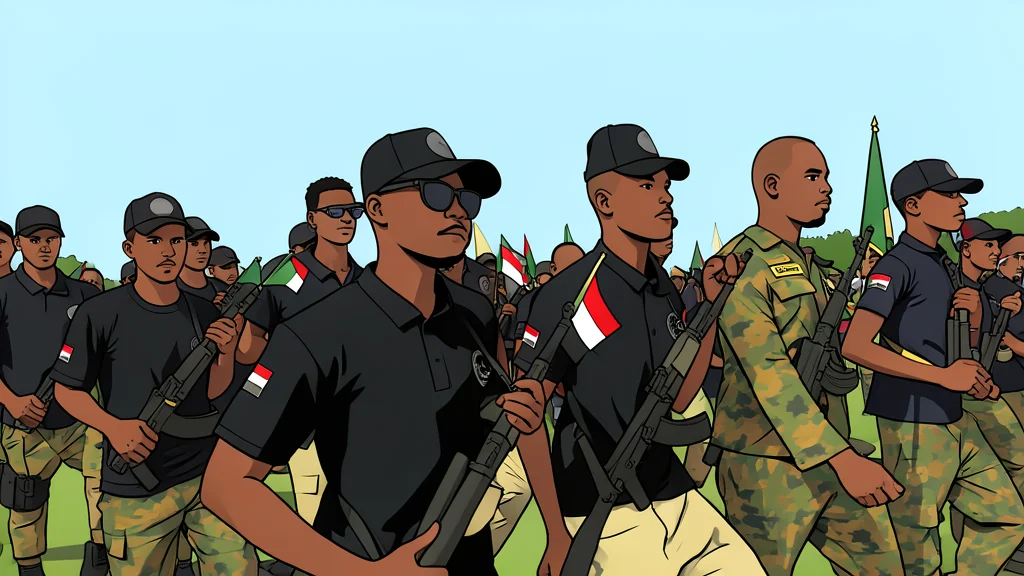
The military leadership in Niger has moved to replace the chief of its armed forces, a decision announced following a period of significant internal instability. According to reports from GN geopolitics/coup, this personnel change comes in the wake of a deadly mutiny that posed a direct threat to the junta’s control over the state.
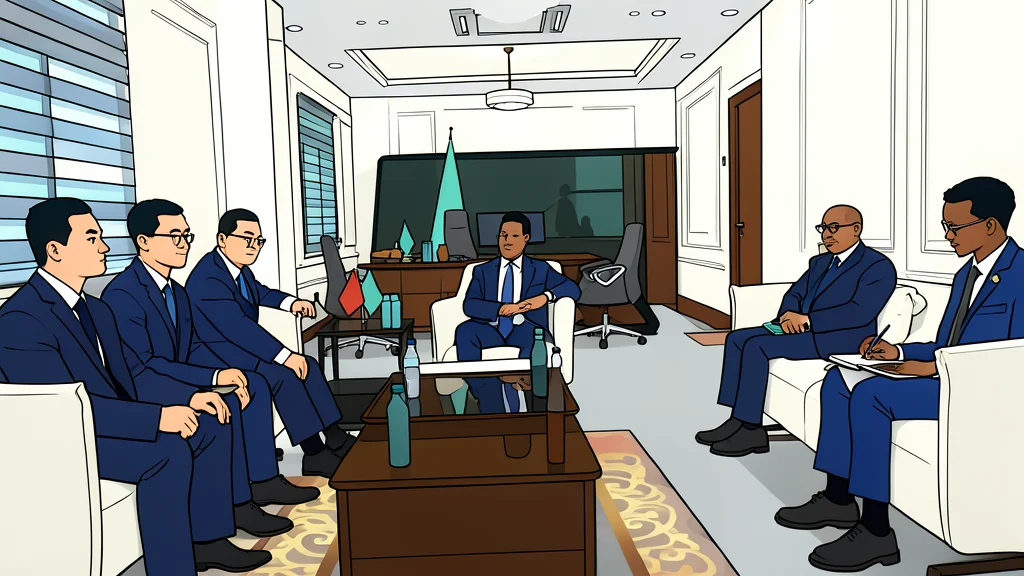
The appointment marks a critical juncture for the interim government, which has faced increasing scrutiny over its ability to maintain cohesion within the security sector. By swapping out the top military commander, the junta leader appears to be seeking to reassert discipline and secure loyalty among the officer corps.
Stabilizing Command After Unrest
The recent mutiny highlighted deep fractures within the armed forces, raising questions about the reliability of the military as a pillar of the current regime. Analysts note that such internal conflicts often signal broader dissatisfaction with leadership decisions or resource distribution. The swift replacement of the military chief suggests a priority on neutralizing potential dissent before it can coalesce into a larger challenge.
According to sources, the new appointee is expected to focus on restoring order and ensuring that the chain of command remains firmly under the junta’s control. This move is viewed as a defensive maneuver to prevent further fragmentation within the security apparatus, which has been under pressure both from internal disputes and external diplomatic isolation.
Political Implications of the Swap
This personnel decision carries significant political weight, as the military remains the primary source of power in the current political landscape. The junta leader’s ability to command the loyalty of the armed forces is central to their legitimacy. By removing a potentially compromised or ineffective chief, the leadership aims to project strength and resolve to both domestic audiences and international observers.
Watching for Future Instability
Despite this move, observers caution that the underlying tensions within the military may not be fully resolved by a single appointment. The next few weeks will be critical in assessing whether the new chief can effectively enforce discipline and prevent further acts of insubordination. The stability of Niger’s political transition will depend heavily on the success of this integration.