UAE and US Press for Expanded Sudan Arms Embargo Amid Council Deadlock
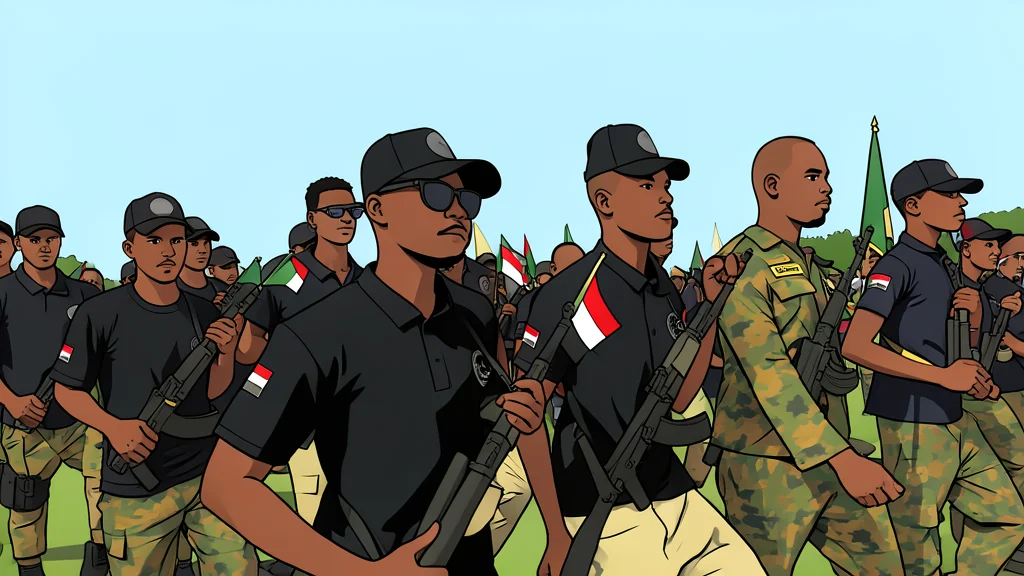
Diplomatic pressure mounts as the United States and UAE urge the UN Security Council to broaden sanctions, facing resistance from Russia.
The United Arab Emirates has called on the United Nations Security Council to extend its arms embargo to cover the entirety of Sudan, a move aimed at curbing the flow of weapons to all belligerents. This advocacy follows the council’s recent unanimous decision to renew the existing sanctions regime for only one month, a timeframe that Washington believes is sufficient to negotiate broader restrictions.
According to a statement issued by the UAE, such an expansion would help protect civilians and support diplomatic efforts to end the conflict. The Gulf state emphasized that Sudan is facing one of the world’s most severe humanitarian crises, urging the international community to compel both warring parties and affiliated militias to cease hostilities and ensure unhindered humanitarian access.
Washington Rejects Status Quo
The United States has made clear its opposition to a simple long-term renewal of the current sanctions framework. US senior adviser Massad Boulos stated that while Washington supports a short-term technical rollover, it refuses to accept a one-year extension without significant changes. The US position, reported by GN geopolitics/un, argues that inaction risks abetting those responsible for the destruction of Sudanese infrastructure and lives.
Boulos warned that members opposing an expansion of the embargo would be complicit in the ongoing violence. The US delegation is pressing its counterparts to use the brief window before October 9 to negotiate in good faith, asserting that the current measures do not reflect the realities of the conflict on the ground.
Moscow Resists Broader Restrictions
Russia has firmly opposed any broadening of the sanctions, with Ambassador Vasily Nebenzya stating that Moscow would not allow even a hint of expanded restrictions. He argued that the resolution should be limited to a technical rollover, questioning the timing of tougher measures given that the government and armed forces currently hold an advantage on the field.
Nebenzya contended that the government forces are key to preserving the country’s institutions and unity, suggesting that broader sanctions might undermine this stability. This stance places Russia at odds with the US and its allies, who argue that the current regime, focused primarily on Darfur, is insufficient to address the spread of violence to other regions.
Escalating Violence and Diplomatic Deadlock
The diplomatic standoff occurs against a backdrop of intensifying fighting in Darfur, Kordofan, and Blue Nile. Reports indicate a growing use of drones and advanced weapons, raising concerns about foreign military support and the influx of fighters into Sudan. With arms continuing to reach warring parties, civil society groups and some council members are increasingly calling for a nationwide embargo.
The UAE reiterated that there is no military solution to the conflict, advocating for a political settlement led by an independent, civilian transition. The next month will be critical as diplomats attempt to bridge the gap between the US demand for expansion and the Russian insistence on maintaining the current scope of sanctions.