Modi and Xi Discuss Border Stability and Trade at BRICS Summit

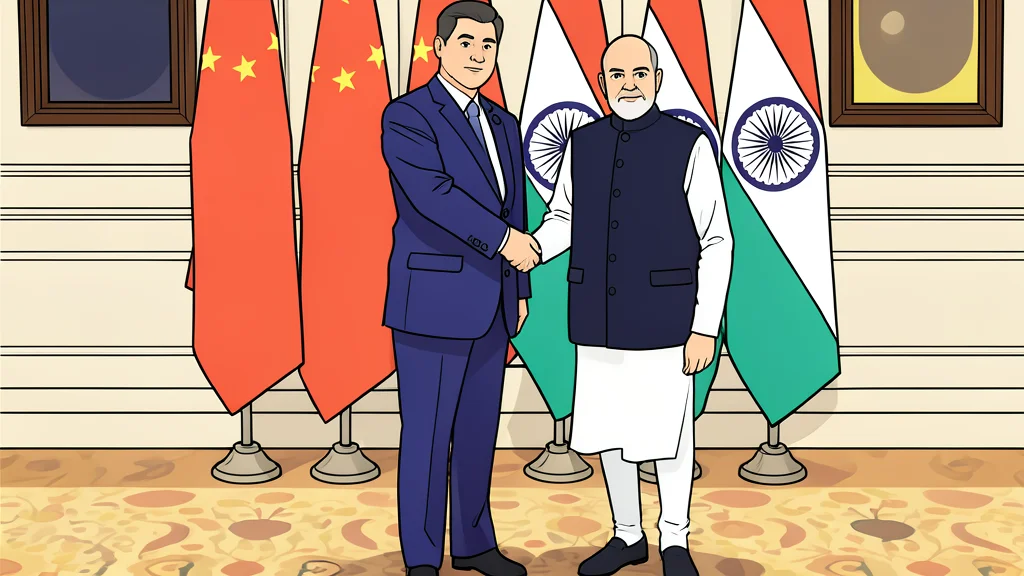
Prime Minister Narendra Modi and President Xi Jinping convened in New Delhi for their first bilateral meeting in seven years, focusing on de-escalating border tensions and addressing significant trade imbalances.
Prime Minister Narendra Modi and Chinese President Xi Jinping engaged in high-level bilateral discussions on the sidelines of the BRICS Summit in New Delhi. According to GN geopolitics/border, this meeting marked a notable diplomatic milestone, as it was Xi Jinping’s first visit to India in seven years. The summit provided a platform for the two leaders to address longstanding issues, with a particular emphasis on maintaining stability along the Line of Actual Control.
The New Delhi Declaration, adopted during the summit, included a strong condemnation of terrorism, specifically referencing the Jammu and Kashmir incident in April 2025. The declaration called for collective action against cross-border terrorism, financing networks, and safe havens. While the broader forum focused on multipolar diplomacy and de-dollarization, the bilateral talks between the Indian and Chinese leaders centered on concrete steps to reduce friction and enhance economic integration.
Diplomacy Amidst Border Tensions
Maintaining peace along the Line of Actual Control remained a central theme of the negotiations. Diplomatic panels reportedly focused on mechanisms to ensure border stability, following prior engagements in Wuhan and Mahabalipuram. The discussions underscored a shared interest in preventing localized incidents from escalating into broader geopolitical conflicts, particularly in the context of ongoing regional security challenges.
Beyond military and security concerns, the leaders addressed the complex dynamics of the India-Russia-China troika. This triangular relationship is increasingly significant as nations navigate Western geopolitical pressures and seek alternative frameworks for international cooperation. The summit served as a venue to reinforce these multilateral ties while managing bilateral sensitivities.
Addressing Economic Disparities
Trade imbalances and market access barriers were key topics in the economic dialogue. Indian officials highlighted concerns regarding restricted access for pharmaceutical and software sectors in the Chinese market. There were also discussions about potential amendments to regulatory measures, such as Press Note 3, which have impacted investment flows and business operations between the two nations.
Forward-Looking Strategic Priorities
Looking ahead, the focus will shift to the implementation of agreements reached in New Delhi. Analysts suggest that the next steps will involve high-level talks aimed at translating diplomatic goodwill into tangible economic and security outcomes. The expansion of trade in energy, fertilizers, and technology remains a priority, particularly as both countries look to diversify their global partnerships and reduce dependence on traditional Western-dominated financial systems.
The coming months will be critical in determining whether these discussions lead to a sustained reduction in border tensions and a more balanced trade relationship. Observers will closely watch for follow-up meetings and specific policy changes that reflect the commitments made during the BRICS Summit. The outcome of these efforts could shape the future of Indo-China relations in a rapidly evolving geopolitical landscape.