Nigeria Alerts Religious Leaders on 2027 Election Security Threats

Security officials in Osun state have briefed Muslim and Christian leaders on intelligence regarding potential attacks on places of worship. The warnings aim to prevent instability ahead of the 2027 general elections.
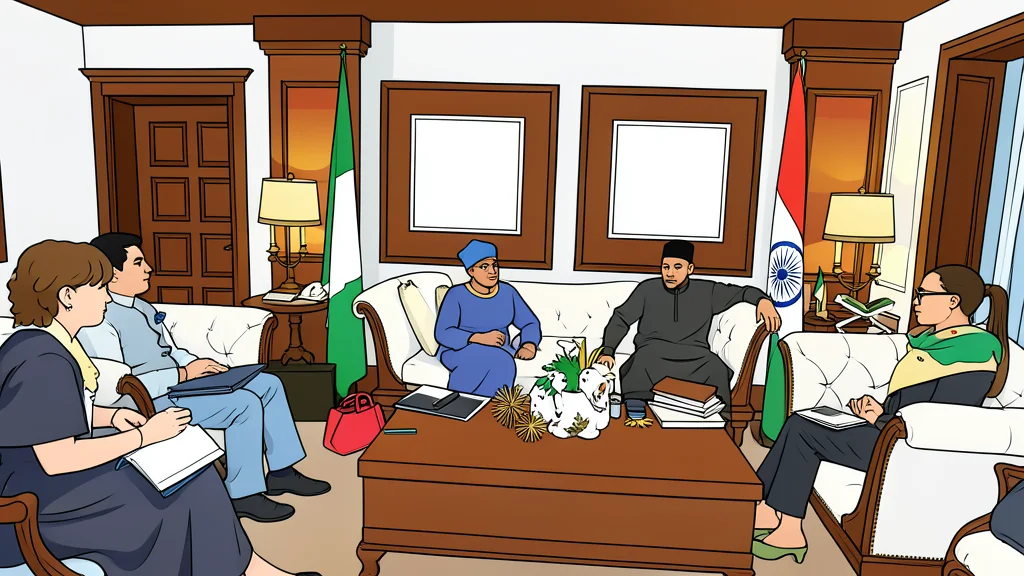
Nigerian authorities have issued urgent security advisories to religious leaders in Osun state, warning of a planned terrorist campaign targeting places of worship. According to reports from GN auto geopolitics/africa: Nigeria elections, the State Security Service (DSS) held separate meetings with Muslim and Christian representatives in Osogbo to discuss intelligence indicating imminent threats. The primary concern is that these acts are designed to destabilize the southwest region and disrupt the upcoming 2027 general elections.
The warning comes at a time when the southwest of Nigeria is traditionally considered the most stable region regarding jihadist insurgencies. However, security analysts note a shifting landscape characterized by the overlap of criminal networks and militant activity from peripheral areas. Officials argue that creating a climate of tension in the months leading up to the presidential vote could suppress voter participation or generate apathy, thereby undermining the democratic process.
Intelligence Drives Preventive Measures
Alhaji Mustapha Olawuyi, president of the Muslim community in the state, confirmed the meetings and urged vigilance, noting that hostile groups have attempted to infiltrate the area for some time. He shared an audio message sent to local imams, stating that intelligence suggests terrorists are moving toward the south to cause chaos. The goal, according to the DSS, is to prevent the holding of elections or dampen civic engagement.
Pastor John Adeleke, representing the Christian community, corroborated the briefing and detailed specific recommendations provided by the DSS. These included preventing unknown vehicles from parking near temples, canceling nighttime religious activities, and strictly verifying the identity of visitors before allowing entry. The authorities also proposed extending these security protocols to educational institutions and other venues where large crowds gather.
Shifting Security Dynamics In The Southwest
Unlike the northeast, the southwest does not host a permanent, deeply rooted Islamist terrorist group such as Boko Haram or the Islamic State in West Africa Province. However, the region faces a complex security environment marked by growing concerns about external interference. The DSS believes that external actors may be leveraging local criminal networks to project instability, making the protection of civilian infrastructure and religious sites a priority.
The coordination between security agencies and religious leaders highlights a broader strategy to maintain public confidence in the electoral process. By involving community leaders in the dissemination of safety protocols, the government aims to create a multi-layered defense against potential disruptions. This approach recognizes that religious institutions serve as critical hubs for community information and social cohesion.
Monitoring Threats Ahead Of The Vote
As Nigeria moves closer to the 2027 elections, the focus on the southwest region signals a strategic expansion of counter-terrorism efforts. Observers will be watching for further intelligence disclosures and the implementation of security measures in other states. The success of these preventive steps will likely depend on sustained cooperation between security forces, religious bodies, and local communities.
The situation underscores the vulnerability of democratic institutions to targeted violence and disinformation. Keeping the public informed about the nature of the threats, while avoiding panic, remains a delicate balancing act for Nigerian officials. The coming months will test the resilience of the security architecture and the ability of society to maintain stability amidst potential provocations.