Ukraine Faces Winter Crisis as NATO Weighs Response to Sustained Russian Strikes
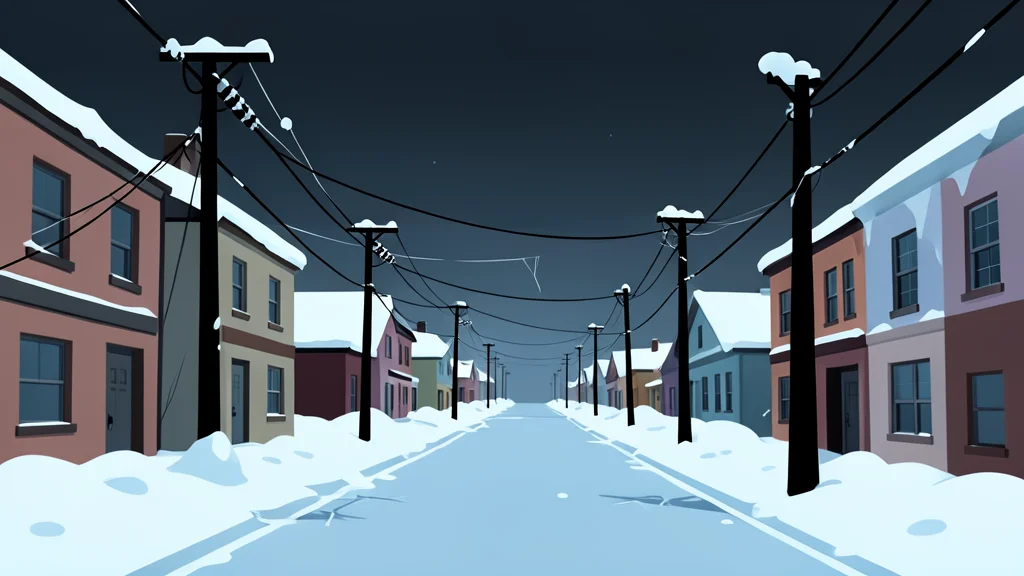
As Russian attacks intensify on civilian infrastructure, European allies face mounting pressure to bridge the gap left by shifting US policy.
Ukraine is entering a winter defined by severe infrastructural vulnerability and escalating civilian risk. According to reports from GN geopolitics/nato, Russian forces are conducting systematic daily strikes on energy grids, water supplies, and medical facilities in Kyiv and other major cities. These attacks aim to degrade the nation's capacity to sustain its population, creating a climate of scarcity and displacement that contrasts sharply with the stated goals of any negotiated peace.
The geopolitical landscape is further complicated by the shifting stance of the United States. With Washington’s support fluctuating, Europe faces a critical test of its collective security commitments. The absence of a unified, consistent Western front has allowed the conflict to persist, leaving Ukrainian civilians exposed to prolonged bombardment while diplomatic efforts remain stalled by inconsistent messaging from key global actors.
Escalation targets civilian infrastructure
Recent waves of ballistic missile and drone strikes have specifically targeted distribution hubs, pharmaceutical warehouses, and power stations. This strategy, often described as a campaign of terror, seeks to break civilian morale rather than achieve conventional military objectives. The result is a sharp rise in casualties and a growing shortage of essential goods, a situation that analysts warn will worsen as temperatures drop and heating systems fail.
Diplomatic stalls and US ambivalence
According to GN geopolitics/nato, the hesitation to intervene decisively stems largely from chronic US ambivalence. Previous administrations offered support that was not sustained, and current leadership has paused deliveries of critical air defense systems like Patriot interceptors. This withdrawal has left Ukraine more vulnerable to air attacks than at any point since the invasion began, effectively handing Russia a strategic advantage in the skies while ground operations remain stagnant.
European burden and public fatigue
Europe is now forced to fill the vacuum left by American indecision, yet it struggles to match the scale of previous US aid. Public opinion in both Ukraine and Russia shows significant war fatigue, with polls suggesting a majority favor a ceasefire backed by security guarantees. However, the lack of a credible, independent peace process and the influence of authoritarian leaders who ignore popular will have prevented a durable settlement, prolonging the suffering of ordinary people on the front lines.