Tanker Incident Heightens Tensions Before Oman Diplomatic Talks

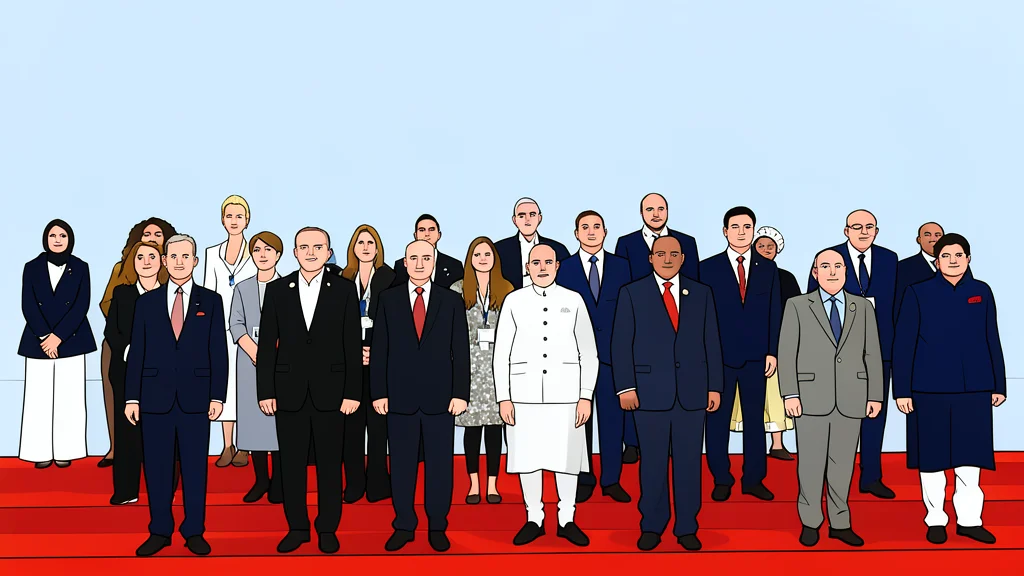
A recent vessel incident in the Strait of Hormuz has intensified regional tensions just as diplomatic engagements between Iran and GCC nations are scheduled to begin in Oman.
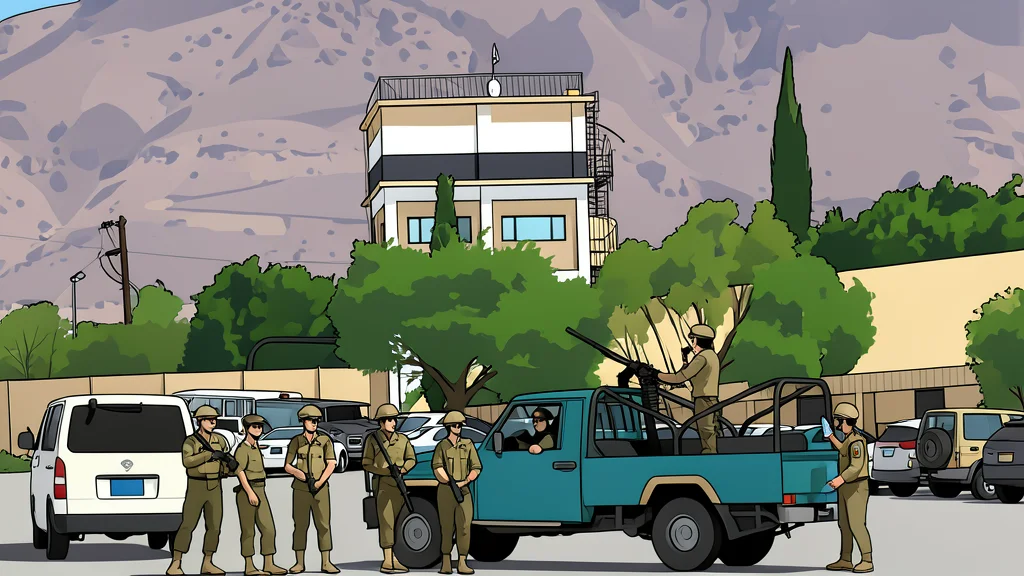
The maritime security landscape in the Persian Gulf has grown more volatile following a reported incident involving a vessel in the Strait of Hormuz. This event occurs on the eve of crucial diplomatic discussions between Iran and Gulf Cooperation Council members, which are set to take place in Oman. The timing suggests a high-risk environment where military posturing and diplomatic efforts are unfolding simultaneously, creating a complex backdrop for regional stability.
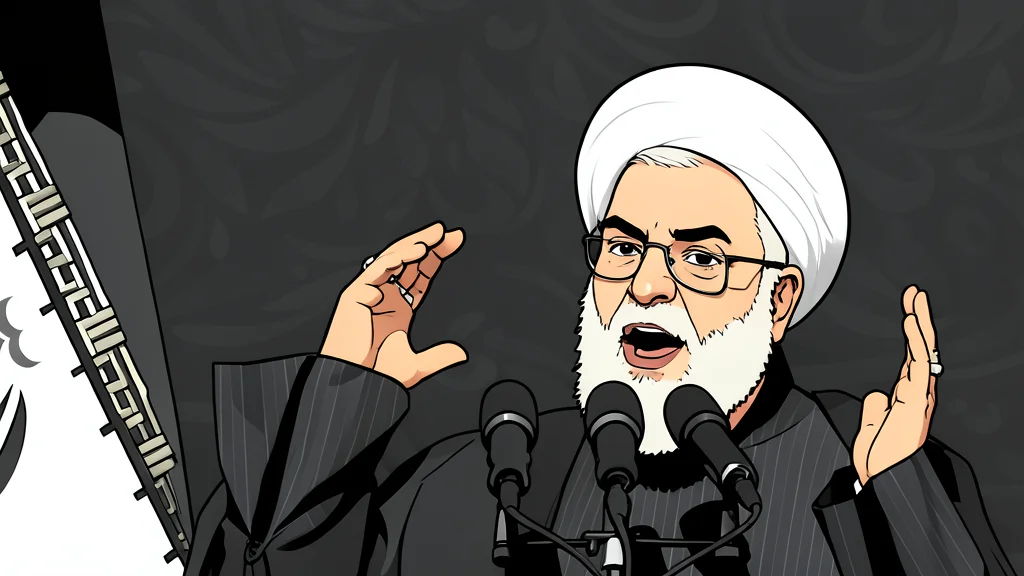
According to reporting from GN auto geopolitics/middle-east: Iran nuclear, hardline media in Tehran are advocating for a significant escalation in response to any further attacks on Iranian shipping. The Kayhan newspaper, which operates under the supervision of the Supreme Leader’s representative, has called for a strategy of overwhelming retaliation. This editorial stance reflects a shift toward more aggressive rhetoric in Iranian state-aligned media, signaling a potential change in tactical doctrine should the current diplomatic track fail to yield results.
Editorial Calls for Broad Retaliation
The Kayhan newspaper argued in a Sunday editorial that individual, reciprocal strikes would be insufficient to establish deterrence. Instead, it urged Tehran to announce a policy where any attack on a single Iranian tanker would trigger targeting of all accessible tankers in the Persian Gulf, the Gulf of Oman, and beyond. The publication claimed that such a move would be credible only if Iran demonstrated a genuine willingness to execute it, framing the proposal as a deterrent measure rather than an intent to expand the war.
Economic Implications of Disruption
The proposed strategy relies on the long lead times required to build replacement oil tankers, a process that takes years. The editorial suggested that removing a significant number of these vessels from service would create a prolonged supply shortage that could not be quickly resolved. According to the publication, even if the Strait of Hormuz reopened immediately, the available fleet might be too small to handle global oil transport demands, potentially leading to a historic market disruption.
Diplomatic Context and Future Outlook
With Iran and GCC talks imminent in Oman, the rhetoric from hardline quarters poses a significant challenge to the diplomatic environment. Observers will be watching closely to see if Tehran adopts these aggressive editorial positions as official policy or if it maintains a more restrained approach during the negotiations. The intersection of maritime security, energy market stability, and high-level diplomacy creates a fragile equilibrium where miscalculation could have far-reaching global consequences.