Nigeria Reports 7,000 IDP Returns as Missing Persons Crisis Persists
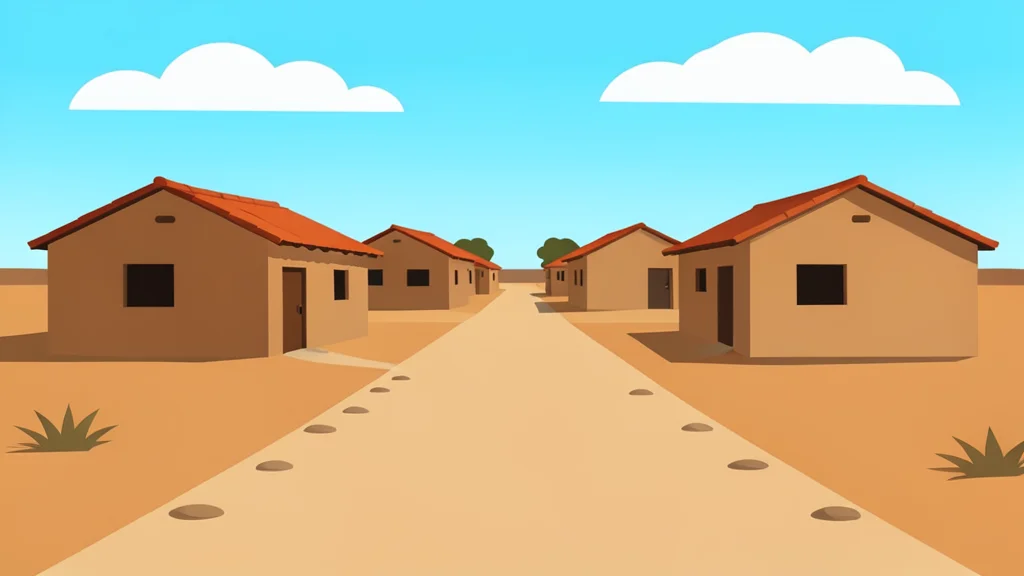
While military authorities in Borno State announce a significant return of displaced residents, humanitarian agencies report that thousands of families remain separated, with active missing persons cases continuing to dominate the conflict landscape.
The Joint Task Force North-East has disclosed that approximately 7,000 internally displaced persons and refugees have returned to their communities in Borno State over the past year. According to the outgoing theatre commander, this movement represents a key indicator of restoring normalcy in areas previously affected by armed conflict. These figures were released during a command handover ceremony in Maiduguri, where military leadership outlined operational progress and the re-establishment of civil services in the region.
Despite these reports of return, the International Committee of the Red Cross (ICRC) highlights a contrasting reality regarding family reunification. The organization states that over 17,000 active cases of missing persons remain unresolved in Nigeria. Furthermore, it notes that contact has been lost with families of another 7,000 individuals, complicating search efforts and leaving many in prolonged uncertainty. This data was presented during a recent media roundtable in Lagos, underscoring the persistent humanitarian gap between military security metrics and civilian welfare.
Humanitarian data reveals persistent separation
The ICRC emphasized that family separation remains one of the most severe consequences of the ongoing conflict. During a two-day event for journalists from various Nigerian cities, the organization stressed the need for reporting that centers victims and affected communities rather than focusing solely on military actions. Aliyu Dawobe, the ICRC Public Relations Officer, explained that the training aimed to equip reporters with the context necessary to cover humanitarian stories accurately. This approach seeks to align media coverage with the principles of International Humanitarian Law, ensuring that the suffering of displaced populations is adequately represented.
Dr. Bala Muhammad, a lecturer at Bayero University, Kano, contributed to the discussion by noting that while human-interest stories are crucial, Nigerian media often prioritizes perpetrators and their acts. He argued that shifting the narrative focus to the experiences of those affected by insurgency and militancy is essential for ameliorating the hardships faced by civilians. The forum urged journalists to maintain a keen awareness of humanitarian standards, recognizing that accurate reporting can influence both public understanding and policy responses to the crisis.
Military officials cite indicators of normalcy
Maj-Gen. Abdulsalam Abubakar, who is handing over command to Maj-Gen. Ibikunle Ajose, identified the reopening of markets, schools, and farmlands as primary evidence of progress. According to the OPHK command, communities abandoned for years are gradually being reoccupied in every local council area of Borno State. Specific signs of this recovery include the return of the National Youth Service Corps orientation camp to Maiduguri after more than a decade and the resumption of WAEC and NECO examinations in localities such as Banki and Gwoza.
The military also reported significant operational achievements during the tenure of the outgoing commander. Troops are credited with neutralizing over 1,100 armed personnel and recovering a substantial quantity of weapons and ammunition. Additionally, the command stated that it intercepted funds linked to terrorist financing and arrested logistics collaborators. These actions are framed by the military as foundational to the security environment that allows for the return of displaced families and the restoration of daily life.
Forward focus on reconciliation and reporting
The divergence between reported returns and unresolved missing persons cases suggests a complex transition period in the North-East. While security operations continue to target militant groups, the humanitarian challenge of tracing and reuniting separated families remains a critical priority. Observers note that the success of these efforts will depend on sustained coordination between military, humanitarian, and media stakeholders. The coming months will likely see increased scrutiny on how these metrics translate into tangible improvements for the most vulnerable populations in Borno State.