Putin Signs Decree Seizing Assets of Nestle and Auchan
A new presidential decree places the Russian operations of major international retailers and logistics firms under state-linked management, marking a significant escalation in economic controls.
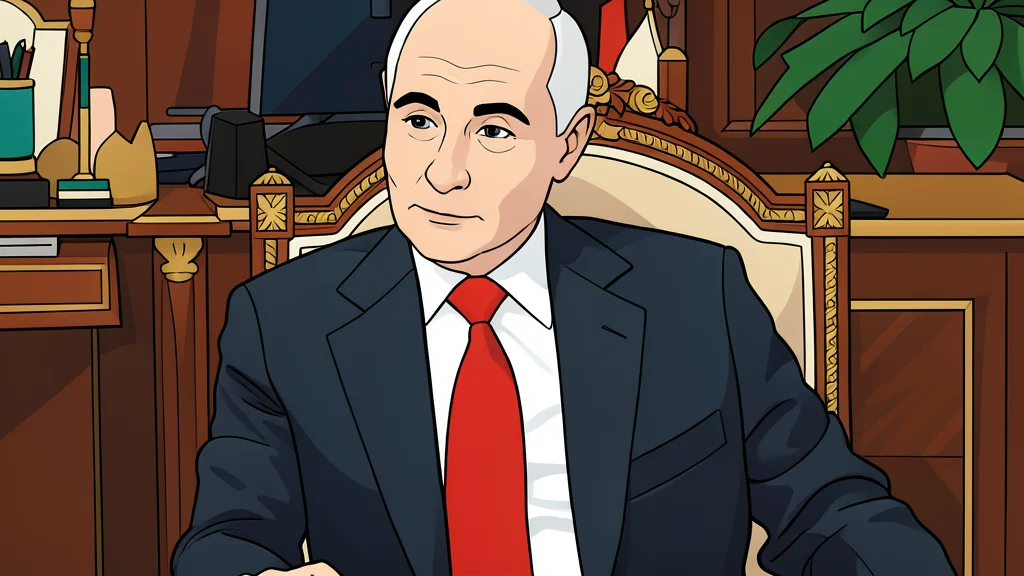
Russian President Vladimir Putin has signed a decree officially confiscating the assets of several multinational corporations operating within Russia. The order places the operations of Nestle, Auchan, and three logistics firms under the temporary management of a Russian joint-stock company, according to reports from local media.
This move affects companies that chose to remain in the Russian market following the full-scale invasion of Ukraine in 2022. While many global brands exited the country, these entities altered their operational structures to continue serving local consumers, a decision that now results in the transfer of their assets to state-affiliated management.
Scope of Confiscated Corporate Assets
The decree specifically names Nestle and Auchan, along with Bati Logistics, FM Logistics, and Le Monlid LLC. These assets are now under the control of L.E.V. Management, a Russian entity. The inclusion of major consumer goods and retail brands highlights the broadening scope of economic measures targeting foreign-owned infrastructure and supply chains within Russia.
Strategic Choices by International Brands
According to the Kyiv School of Economics, Nestle suspended key brands such as KitKat and halted capital investments after the conflict began. However, the company did not fully withdraw from the market. Similarly, France’s Auchan placed its Russian subsidiary under local management in 2023, citing its role as an essential civilian service provider. This strategy of staying while modifying operations has now led to the loss of ownership control over their Russian assets.
Broader Economic and Security Implications
This confiscation order occurs against a backdrop of increasing tension regarding foreign property rights. Russia has also been reported to have damaged production facilities of international businesses operating in Ukraine, including a recent attack on a PepsiCo plant in Mykolaiv Oblast. The simultaneous targeting of assets within Russia and infrastructure abroad underscores the growing entanglement of corporate operations in the geopolitical conflict.
Observers will closely monitor how the newly appointed management handles these assets in the coming months. The legal and operational implications for other foreign companies that have chosen to remain in Russia may become clearer as the decree is implemented. This development adds another layer of complexity to the economic landscape, potentially affecting supply chains and consumer availability of international brands in the region.