Congo Farmers Link Harvest Losses to Oil Flaring
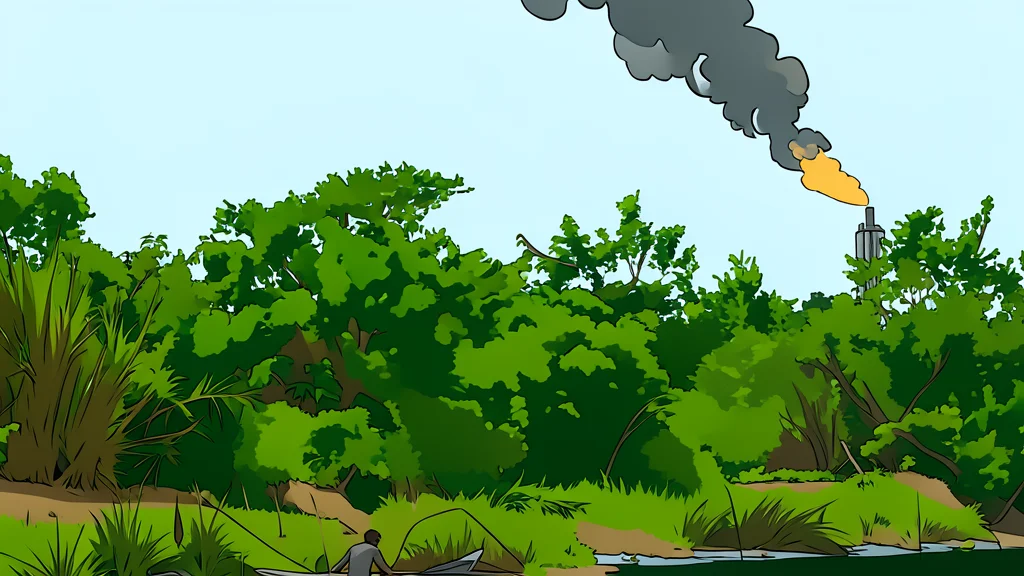
A new report co-authored by the Catholic Church and Caritas alleges that gas flaring by major energy firms is causing severe environmental degradation and crop failures in the Kouilou department of the Republic of Congo.
Farmers in the Kouilou department of the Republic of Congo have reported significant declines in their cassava harvests, a trend they attribute to intensified industrial activity in the region. According to a recent report co-authored by the diocese of Pointe-Noire and the charitable organization Caritas, agricultural yields have dropped sharply, prompting local communities to investigate the underlying causes of this agricultural collapse.
The report highlights that fruit trees in the area are suffering from unidentified diseases, with many specimens dying or dropping prematurely before reaching maturity. Residents in the affected coastal areas have specifically pointed to gas flaring operations conducted by oil companies as the primary source of environmental stress. They argue that the resulting contamination of soil, water, and air has exceeded safety thresholds established by the World Health Organization, rendering the local ecosystem increasingly hostile to agriculture.
Industry named in environmental report
The diocese identified several major players in the energy sector as responsible for the alleged damage, naming Total, ENI, the state-owned SNPC, and Wing Wah. While these companies are central to the nation's economy, the report suggests their operations have outpaced environmental safeguards. The accusations follow a broader pattern of criticism regarding industrial conduct in the country, where regulatory oversight has been questioned by international observers.
According to Africanews, the situation has drawn attention from human rights organizations that have previously scrutinized the impact of the oil industry on local communities. The report adds to a growing body of evidence suggesting that the economic benefits of extraction are coming at a steep ecological cost for those living in the immediate vicinity of production sites.
Regulatory shifts and legal precedents
The current controversy is set against a complex legal backdrop. Although the Republic of Congo banned gas flaring in 2007, authorities granted specific exceptions to this ban in 2022, allowing continued operations under certain conditions. This regulatory reversal has been cited by critics as a key factor in the resurgence of visible pollution and health concerns among residents.
In 2024, Amnesty International issued a statement indicating that Congolese authorities were not doing enough to ensure that industrial companies protected human and environmental rights. The rights group examined oil spills and smoke emissions linked to the activities of TotalEnergies EP Congo, Wing Wah, and Metssa Congo. Their findings focused on the Pointe-Noire and Kouilou departments, underscoring a persistent gap between stated policy and on-the-ground reality.
Future implications for regional stability
As the report gains traction, the focus is likely to shift toward enforcement mechanisms and potential legal challenges. The tension between energy security and environmental protection remains a critical issue for Central African nations. Stakeholders are now watching to see if regulatory bodies will respond to the diocese’s findings with stricter monitoring or if the exceptions granted in 2022 will remain in place, potentially prolonging the dispute over land use and resource rights.