Nigeria's 2027 Election Cycle Marked by Rising Political Threats

Political violence and intimidation have escalated in Nigeria ahead of the 2027 general elections, according to civil society groups.
Key points
- Political violence and intimidation have increased in Nigeria since the campaign ban was lifted for the 2027 elections.
- Officials in multiple states have issued threats to voters and opposition members, including physical and social coercion.
- Civil society groups condemn the use of religious and ethnic divisions to influence the electoral outcome.
A concerning rise in political intolerance is reshaping the landscape of Nigeria’s upcoming 2027 general elections. According to reports from THISDAYLIVE, the period following the lifting of the campaign ban by the Independent National Electoral Commission has been characterized by inflammatory rhetoric and direct threats against opposition figures and voters.
The escalation has moved beyond verbal disputes to include physical intimidation and violence. Civil society organizations have condemned what they describe as a dangerous shift toward coercive tactics, warning that such actions undermine the democratic process and threaten the safety of citizens in multiple states.
Rhetoric from officials fuels tension
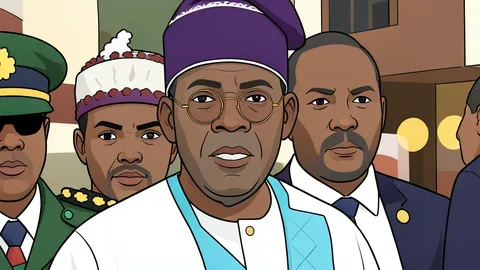
Critics have pointed to statements by high-ranking government officials as contributing to the hostile atmosphere. President Bola Ahmed Tinubu’s recent comments regarding the nature of political competition were cited as setting a permissive tone for aggressive behavior. This sentiment appears to have been echoed by various state-level figures, including a senator who made controversial remarks directed at rival party members.
In several regions, local administrators have issued threats to coerce voters. In Ebonyi State, a governor reportedly pressured local council chairmen to support the ruling party, while in Borno and Yobe, officials made alarming statements linking political loyalty to personal safety and social standing. These incidents illustrate a pattern of using state influence to suppress dissent.
Violence disrupts political activities
The volatile environment has resulted in tangible disruptions to political activities. A convoy associated with a presidential candidate was blocked on a major expressway in Benue State, preventing the leader from attending a memorial event. This incident is cited as evidence of the physical barriers being erected against opposition movements.
Furthermore, the safety of political commentators and journalists has come under threat. The recent killing of a social media analyst in Kano State highlights the risks faced by those who engage in political discourse outside of official party structures. Such incidents suggest that the cycle of violence is expanding beyond traditional battlegrounds.
Religious and ethnic divisions exploited
Religious leaders have also been implicated in exacerbating tensions by framing the election along sectarian lines. According to observers, some clerics have promoted a narrative of conflict between Christian and Muslim communities, reducing complex political competition to a struggle of identity. This approach is criticized for stoking prejudice and resentment among the electorate.
Civil society groups, including the National Association of Seadogs, have issued strong condemnations of these developments. They argue that intimidation and coercion are incompatible with democratic values and call for a return to civility. The forward question remains whether institutions can enforce electoral integrity and protect citizens from the escalating wave of political belligerence as the date of the polls approaches.