Second Sudan Mine Collapse Kills 11 in Red Sea State
Sudan’s Red Sea state recorded its second fatal gold mine disaster in one week, with ongoing searches for trapped workers.
Key points
- Eleven miners died and thirty were injured in a gold mine collapse in Sudan's Red Sea state.
- This is the second fatal mining disaster in Sudan within one week, following a collapse that killed 82.
- Unsafe informal mining continues amid the civil war, with gold smuggling reported to fund warring factions.
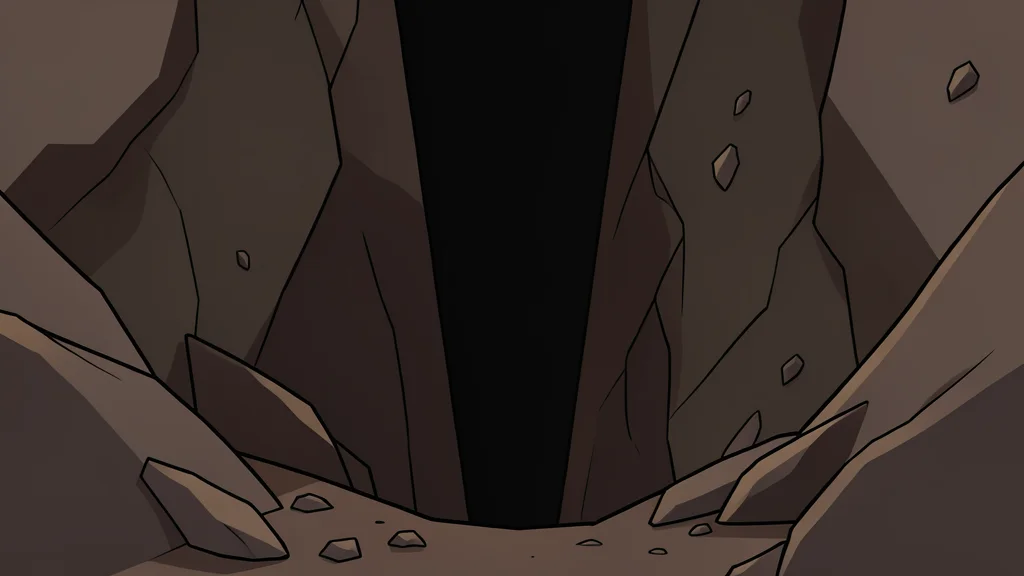
Eleven miners died and thirty others were injured after a gold mine shaft collapsed in the remote area of Oni in Sudan’s Red Sea state. According to a state official, the incident began on Saturday night, and rescue efforts continued into Sunday as teams worked to recover bodies and locate any individuals still trapped beneath the debris.
This event marks the second major mining disaster in the country within a single week. The collapse has intensified scrutiny of the unsafe conditions prevalent in Sudan’s informal mining sector, a situation exacerbated by the ongoing civil war and the absence of robust regulatory oversight in many regions.
Ongoing Rescue Operations
Abdalhay Kharif Abakar, a local worker in the area, confirmed that the structural failure started late on Saturday. An official from the state-owned Sudanese Mineral Resources Company stated that 30 people had been rescued by Sunday, while the search for missing miners remained active. The official spoke on condition of anonymity, citing a lack of authorization to address the media directly.
In a formal statement, the mining company expressed condolences over the loss of life but did not provide specific details regarding the casualty figures. Experts note that such incidents are not uncommon in Sudan, a significant gold producer where safety standards are frequently ignored in small-scale and informal operations.
Pattern of Recent Disasters
The tragedy in the Red Sea state follows a previous incident last Sunday, when at least 82 people were killed after a series of mine shafts collapsed in western Sudan. That earlier disaster occurred in an area controlled by the paramilitary Rapid Support Forces (RSF), which has been engaged in combat with the Sudanese military for more than three years.
India Today reports that the conflict, which began in April 2023, has created a volatile environment for mining activities. The war has pushed parts of the country toward famine, while the informal economy, particularly gold extraction, continues to operate with minimal safety infrastructure, putting workers at constant risk.
Conflict and Economic Drivers
Sudan’s gold sector plays a critical role in the national economy, yet it remains largely unregulated in conflict zones. According to experts commissioned by the United Nations, large quantities of gold have been smuggled out of the country to finance the RSF, which controls key gold-producing areas in Darfur and Kordofan.
Armed Conflict Location & Event Data (ACLED) estimates that the war has killed at least 59,000 people, though aid organizations suggest the true toll may be significantly higher. The combination of weak state authority, active warfare, and the lucrative nature of informal mining creates a persistent hazard for those working in the industry.