Nigeria's Historic Refinery IPO Sparks Retail Investor Surge
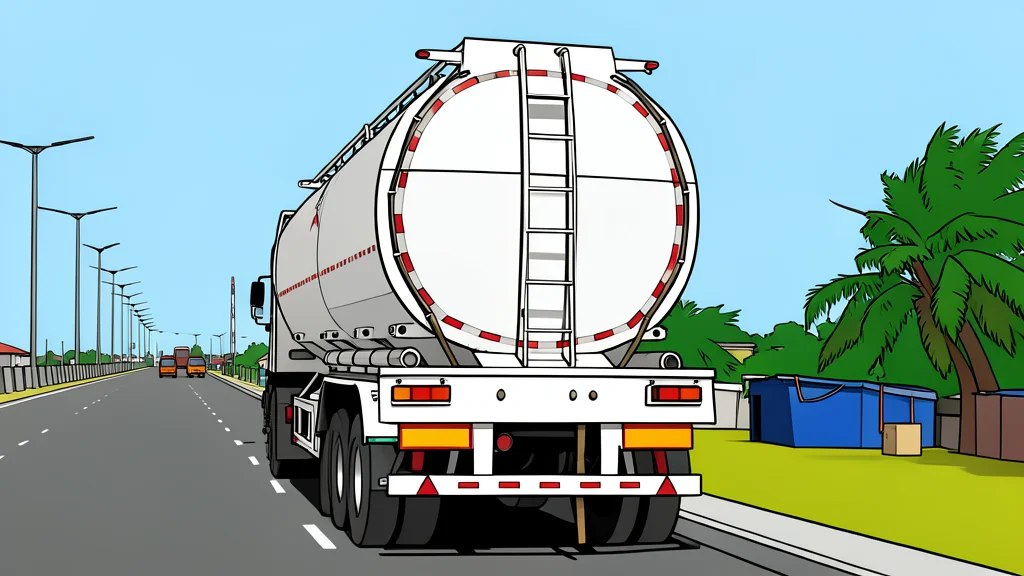
Nigerians are rushing to secure stakes in the Dangote Refinery, viewing the nation's largest public offering as a rare opportunity to participate in a major industrial asset and diversify their portfolios amidst shifting global energy dynamics.
A significant shift in Nigerian capital markets is underway as retail investors flock to purchase shares in the Dangote Refinery, the country's largest industrial facility. According to Africanews, this initial public offering represents the biggest share sale in the nation's history, drawing intense interest from individuals seeking to diversify their holdings. The move marks a pivotal moment for a population that has long been priced out of major industrial equity, offering a tangible link to a project that has fundamentally altered Nigeria's energy landscape.
Aliko Dangote, Africa's wealthiest individual, has framed the offering as a vehicle for broad-based participation, emphasizing that the opportunity is designed for the general public rather than just institutional players. By setting the minimum investment threshold at 5,250 naira for a bundle of ten shares, the structure lowers the barrier to entry for ordinary citizens. This approach aligns with a stated goal of democratizing access to high-value industrial assets, allowing workers and small business owners to hold a direct stake in the refinery's operations.
Retail investors seek economic participation
The enthusiasm among potential buyers is driven by a combination of patriotic sentiment and financial prudence. Boluwatife Ogundairo, a dispatch rider in Lagos, cited personal financial growth and national economic stability as his primary motivations for investing. He noted that owning a share in such a critical infrastructure project provides a sense of ownership over the country’s future. This sentiment is widespread, with many viewing the refinery not just as a corporate entity but as a national asset that has transformed Nigeria from a net importer of refined petroleum into an exporter.
For decades, Nigeria’s reliance on foreign refining due to the underperformance of state-run facilities created a structural dependency. The commencement of production at the $19 billion facility in 2024 resolved this issue, ending the need to import refined oil for a population of over 210 million. The IPO allows citizens to capitalize on this transformation, with many anticipating that the company’s expanded export capabilities will drive long-term value. The scale of the project, combined with its recent operational success, has created a unique investment narrative that resonates with a broad segment of the population.
Global energy shifts influence demand
External geopolitical factors are also playing a role in the surge of interest. Recent tensions between the United States and Iran have led to increased volatility and higher prices in the global oil market. According to market observers, this environment has heightened the appeal of assets with direct exposure to the energy sector. For Nigerian investors, the refinery’s position as a key player in the global supply chain offers a hedge against local economic fluctuations, while simultaneously benefiting from the premium attached to energy commodities during periods of geopolitical uncertainty.
Dangote retains an 87% ownership stake in the refinery, ensuring that the company remains firmly controlled by its founder while still offering a meaningful minority stake to the public. This structure is designed to balance the need for capital injection with the preservation of strategic control. The influx of retail investors signals a maturing domestic capital market, where individual savers are increasingly willing to engage with complex industrial equities. This trend suggests a broader cultural shift in how Nigerians approach wealth creation and asset ownership.
Forward outlook for the energy sector
As the offering progresses, attention will turn to the allocation of shares and the subsequent listing on the Nigerian Exchange. The success of this IPO will serve as a benchmark for future large-scale domestic offerings, potentially encouraging other major industrial players to open their books to retail investors. Analysts will be watching closely for how the market reacts to the initial trading days, as well as the long-term impact on liquidity and investor confidence in the local stock market.
The broader implications for Nigeria’s energy policy and financial inclusion remain significant. If this initiative successfully integrates millions of small investors into the industrial economy, it could set a precedent for more inclusive capital markets in West Africa. The next few weeks will be critical in determining whether this surge of interest translates into sustained, long-term ownership, or if it remains a short-term speculative frenzy. The outcome will provide valuable insights into the evolving relationship between the Nigerian public and its major industrial assets.