Nigerian Minister Clarifies PDP Role in 2027 Elections
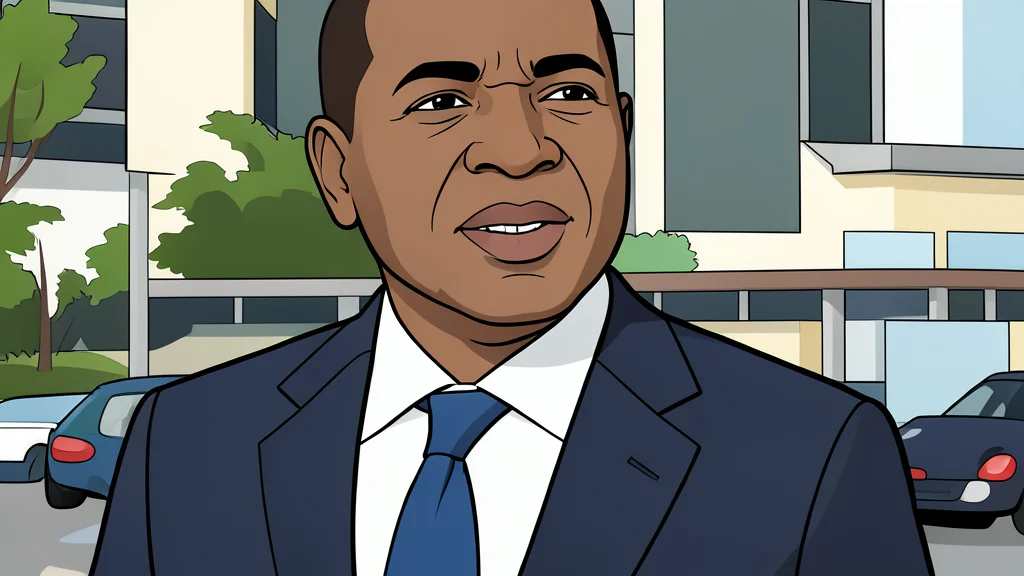
Federal Capital Territory Minister Nyesom Wike asserts that the Peoples Democratic Party will continue to field candidates in upcoming local elections, despite his commitment to supporting President Bola Tinubu’s re-election campaign.
Nyesom Wike, the Federal Capital Territory Minister of Nigeria, has clarified that he did not promise the opposition Peoples Democratic Party (PDP) would abstain from fielding candidates in the 2027 governorship and parliamentary elections. This statement addresses recent tensions within the ruling All Progressives Congress (APC), particularly regarding the formation of a broader political coalition intended to support President Bola Tinubu’s re-election.
According to reports from GN auto geopolitics/africa: Nigeria elections, Wike emphasized that his mobilization efforts for the president are distinct from the PDP’s internal electoral strategies. He asserted that the Rainbow Coalition is designed to unite Tinubu supporters across party lines and does not impede the PDP’s right to participate in other contests. This position places Wike in a delicate balancing act between maintaining cross-party alliances and respecting the institutional autonomy of the opposition party.
Coalition Dynamics in Nigerian Politics
The controversy stems from criticism leveled by the APC Governors' Forum, led by Imo State Governor Hope Uzodimma. The forum expressed concerns that political coalitions could weaken the party’s candidates ahead of the 2027 cycle. Some APC representatives argued that the alliance might inadvertently support politicians who lost APC primaries and subsequently ran under the PDP banner. Wike rejected these concerns, maintaining that the coalition is strictly for mobilizing support for the current administration rather than undermining internal party structures.
Wike further stated that the Rainbow Coalition has no formal connection to the APC, framing it instead as a vehicle for inter-party cooperation. By decoupling the coalition from official APC machinery, Wike attempts to mitigate accusations of internal division. However, this strategy highlights the complex nature of Nigerian federalism, where state-level political dynamics often diverge from national campaign objectives.
Governors Criticize Strategic Alliances
In response to the governors' forum, Wike urged APC leaders to focus their energies on the presidential campaign rather than internal disputes. He specifically questioned Governor Uzodimma’s ability to secure a victory for Tinubu in Imo State, citing the 2023 election results. According to Wike, while APC candidates won two Senate seats in that state, the president received less than 15% of the presidential vote there.
Wike extended this critique to other southeastern states, including Ebonyi, Abia, and Enugu. He noted that despite APC victories in individual National Assembly seats, the presidential vote share in these regions remained below 10%. This line of argument suggests that Wike views the governors' resistance to the coalition as a distraction from their primary responsibility: ensuring a strong national mandate for the incumbent president.
Implications for 2027 Electoral Cycle
The exchange between Wike and the APC Governors' Forum underscores the challenges of managing a multi-party coalition in a polarized political environment. As the 2027 elections approach, the relationship between the ruling party and the PDP will likely remain a focal point of political analysis. The success of the Rainbow Coalition will depend on its ability to maintain unity without alienating key state-level actors within the APC.
Observers will be watching for further developments in how the APC handles internal dissent and whether the PDP maintains its independent electoral strategy. The resolution of these tensions could influence voter turnout and the overall stability of the political landscape in Nigeria. For now, the focus remains on the upcoming mobilization efforts and the potential impact on the presidential race.