Western Agencies Warn of Iranian Spyware Targeting Dissidents

Coordinated advisories from the US, UK, and Netherlands detail a persistent campaign of digital surveillance against Iranian critics abroad.
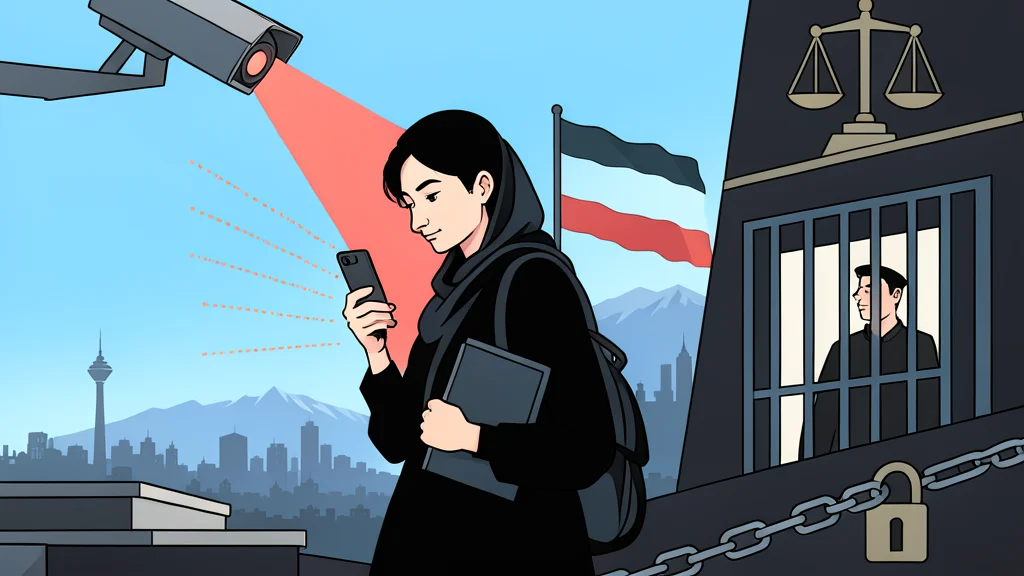
Western intelligence agencies have issued a coordinated warning regarding a persistent cyber campaign aimed at Iranian dissidents living in Europe and North America. According to Al Jazeera English, the United States, the United Kingdom, and the Netherlands jointly highlighted that Iranian state-linked actors are employing advanced surveillance tools to monitor and compromise individuals critical of the Tehran regime.
The advisories, released simultaneously by the FBI, the National Cyber Security Centre, and the Netherlands’ AIVD, describe a sophisticated operation that has been ongoing for months. Officials from the three nations stated that the activity is not isolated but part of a broader strategy to suppress opposition voices through digital means, marking a significant escalation in the geopolitical tension surrounding information security.
Surveillance Tactics Revealed
The core of the threat involves a spyware family identified as “CHOSEN BRICK.” According to the joint report, this malware is deployed through spear-phishing campaigns on popular messaging platforms such as WhatsApp and Telegram. The goal is to steal emails, messages, and other sensitive data from targeted devices, effectively turning personal communication channels into vectors for state intelligence gathering.
Paul Chichester, director of the UK’s NCSC, noted that the details of this campaign reveal a ruthless approach to digital surveillance. He emphasized that the objective is to repress critics by accessing their digital lives, a tactic that underscores the reach of Iranian cyber capabilities beyond its own borders. The use of common consumer applications makes this threat particularly difficult for individuals to detect without specialized expertise.
Attribution and Operational Patterns
US officials attributed the activity to Iran’s Ministry of Intelligence and Security, alleging it is used to collect intelligence and inflict reputational harm. The FBI had previously warned in March about similar efforts, noting that data collected from targets was sometimes posted online by a persona known as “Handala Hack.” This pattern suggests a dual approach of both covert surveillance and public intimidation.
The connection to broader cyber incidents has drawn additional attention. In March, an attack that disrupted the networks of medical device giant Stryker was claimed by an Iran-linked group, who described it as the start of a new chapter in cyber warfare. Subsequently, in July, US officials indicated that a cyberattack on water systems in Minnesota resembled the tactics of the Handala hackers, linking disparate incidents to a common operational fingerprint.
Future Implications for Security
As these warnings accumulate, the focus shifts to how individuals and organizations can protect themselves from state-sponsored espionage. The coordinated nature of the advisories signals a unified Western front against what is perceived as an aggressive expansion of Iranian digital influence. Experts suggest that heightened vigilance, particularly among diaspora communities and critical infrastructure sectors, is now essential.
The next phase will likely involve monitoring for further attempts to exploit messaging platforms and assessing the extent of data exfiltration. With the threat landscape evolving, the collaboration between intelligence agencies and private sector defenders remains crucial. Observers are watching for any retaliatory measures or further escalations in cyber operations that could test the resilience of Western digital infrastructure.