US Ammunition Shortages Reported Amid Iran Conflict
A new Department of Defense report highlights significant inventory gaps and repair costs resulting from recent military operations against Iran, prompting a sharp disagreement between the Pentagon's auditors and the White House.
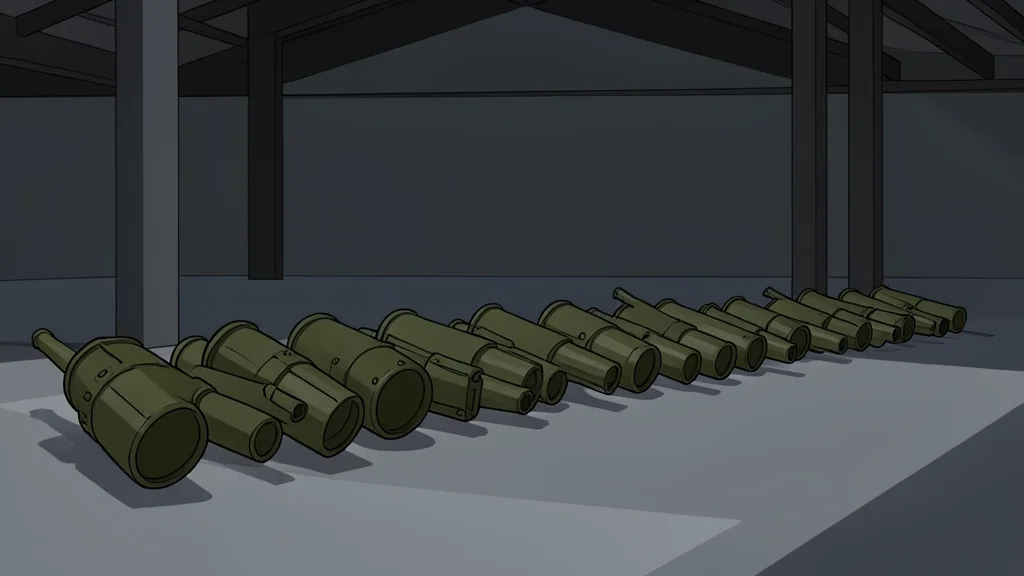
The United States military has acknowledged that its ongoing engagement with Iran has led to a depletion of critical ammunition and advanced weapon systems. According to a report released by the Department of Defense’s inspector general, the conflict has incurred substantial costs and exposed vulnerabilities in the nation's strategic reserves. The findings suggest that the scale of munitions deployed over the past several months has outpaced the current capacity of the defense industry to replenish supplies quickly.
President Donald Trump has strongly rejected the conclusions of the audit, dismissing the concerns regarding supply lines as unfounded. He maintained that American ammunition stocks remain "virtually unlimited," a stance that contrasts sharply with the data presented by the inspector general. This divergence highlights a growing tension between the executive branch's public messaging and the internal assessments of the Pentagon's oversight bodies.
Financial Burden of Recent Operations
The report estimates that the total cost of the conflict between February 28 and June 30 reached 33.4 billion dollars. A significant portion of this expenditure, nearly 20 billion dollars, was allocated specifically to munitions. Additionally, the document notes that these figures do not include the extensive repair costs associated with damage to US bases across the Middle East, where hundreds of structures were reported to have been damaged or destroyed by Iranian strikes.
Industry Bottlenecks and Restoration Timelines
According to the inspector general, the rapid consumption of weapons has resulted in "strategic inventory shortfalls." These gaps have exposed bottlenecks within the US defense industry, limiting its ability to replenish stocks at the required pace. Independent experts cited in the reporting estimate that it could take approximately three years to restore levels of advanced missiles and defensive interceptors to pre-war standards. This timeline raises questions about the sustainability of prolonged high-intensity engagements.
Diverging Perspectives on Readiness
The discrepancy between the White House's assertion of unlimited supplies and the Pentagon's audit of inventory shortfalls creates a complex narrative for observers of US defense policy. While the administration emphasizes strength and readiness, the internal reports suggest a more nuanced reality regarding logistical constraints. Analysts note that such disagreements often emerge during periods of high-intensity conflict, where operational demands strain existing industrial and logistical frameworks. The resolution of these tensions will likely depend on how the administration addresses the underlying production and supply chain issues identified in the report.
Future Implications for Defense Strategy
Looking ahead, the focus will shift to how the US military plans to address the identified supply chain vulnerabilities. The next few months may see increased attention on defense contracts and industrial capacity upgrades. Furthermore, the diplomatic and military response to the ongoing regional tensions will be closely watched to see if the stated confidence in unlimited supplies holds up under continued operational pressure. The balance between political messaging and logistical reality remains a central theme in current geopolitical discussions.