Violence Erupts in Bucharest over Livestock Export Ban
Clashes between protesters and police in the Romanian capital highlight deep economic and political fractures as farmers demand the reversal of EU health regulations.
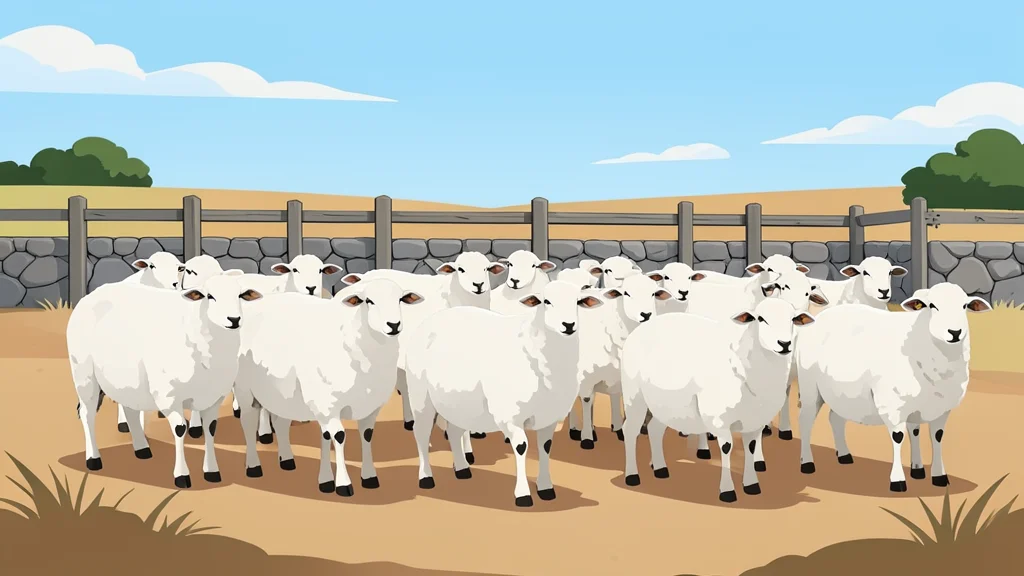
Violence broke out in Bucharest on Tuesday when riot police clashed with thousands of farmers and shepherds protesting the extension of a ban on live sheep exports. According to Al Jazeera English, the demonstration gathered approximately 2,000 people in the capital, resulting in dozens of injuries and a significant number of detentions. The incident marks a sharp escalation in a dispute driven by disease control measures and economic hardship.
The confrontation occurred outside the Romanian government building, where protesters reportedly threw rocks and metal barriers at law enforcement. Police responded with tear gas to disperse the crowd. Officials stated that twenty-six individuals were detained, while twenty-four demonstrators and officers required medical attention for injuries ranging from broken bones to tear gas exposure. The government and opposition parties have jointly called for an end to the violence, urging calm in the streets.
Political forces amplify rural grievances
While the protest was organized by farmer and shepherd groups, it received visible support from far-right political actors. Supporters of Calin Georgescu, a former presidential candidate currently on trial, shared calls to join the rally on social media. Additionally, George Simion, leader of the Alliance for the Union of Romanians, expressed solidarity with the farmers on Facebook. Although he called for peaceful demonstration, the involvement of these figures has drawn criticism from President Nicusor Dan, who condemned the attempt to turn a legitimate protest into street fighting.
The underlying tension stems from an EU-imposed ban on live sheep exports due to the highly contagious small ruminant plague. This restriction, which is set to expire at the end of 2026, has been a source of frustration for shepherds who rely on cross-border trade. Previous protests in July over the same issue indicate that the conflict is not new but has now gained broader political traction and violent momentum.
Economic strain fuels political instability
These events unfold against a backdrop of severe economic and political challenges in Romania. The country, with a population of 19 million, is grappling with the highest inflation in the European Union. The pro-European government, which implemented austerity measures to address a high budget deficit, was removed from power in a no-confidence motion in May. Since then, a divided parliament has failed to confirm a successor, leaving the nation in a prolonged political crisis.
The combination of economic pain and political gridlock has created fertile ground for unrest. Farmers view the export ban as an additional burden in an already difficult economic climate. As the government struggles to maintain stability, the potential for further clashes remains high, with both sides accusing each other of exacerbating the situation.
Uncertain path to resolution
The immediate aftermath of the clashes leaves key questions unresolved. With the export ban remaining in place and the political vacuum persisting, it is unclear how the government will manage further unrest. The involvement of far-right groups adds a layer of complexity, as their influence could shape the direction of future protests. Observers will be watching closely for any signs of de-escalation or further radicalization in the coming days.