Obi Outlines Economic Pivot for Nigeria Ahead of Elections

Peter Obi proposes redirecting state resources toward agriculture and production, challenging the current administration's subsidy removal strategy.
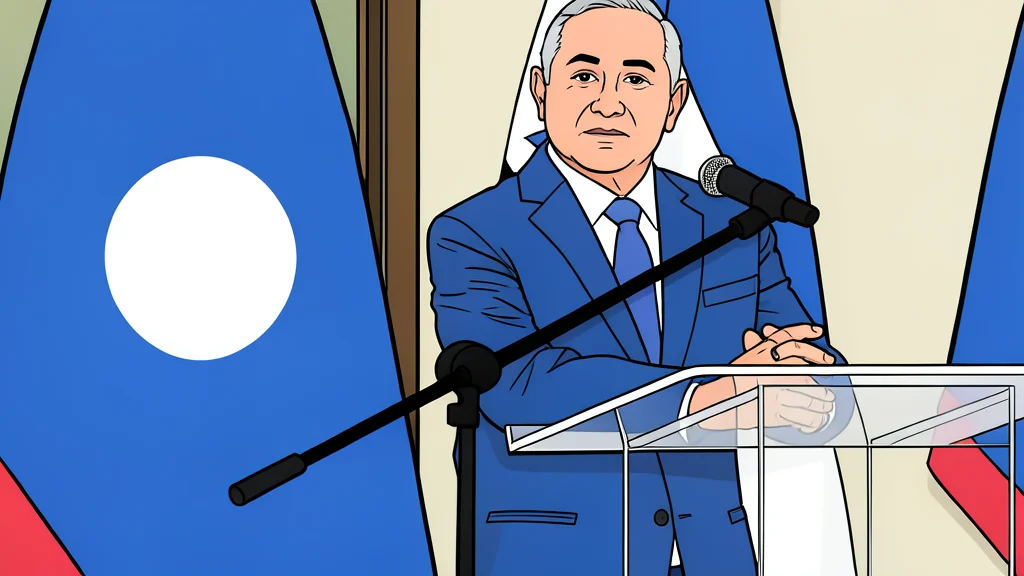
Peter Obi, the presidential candidate for the Nigeria Democratic Congress, has outlined a distinct economic roadmap that centers on productive subsidies rather than fuel support. In recent comments, Obi argued that the state should redirect financial resources toward agriculture, manufacturing, and small-to-medium enterprises to stimulate job creation and wealth generation.
This stance places him in direct contrast with the current administration, which has prioritized the removal of fuel subsidies as a primary fiscal measure. Obi suggests that the savings from such measures have not translated into visible public benefits, advocating instead for a model where state support directly fuels industrial and agricultural output.
Shifting Focus to Agricultural Productivity
According to the GN auto geopolitics/africa: Nigeria elections source material, Obi emphasizes the potential of Nigeria’s northern regions as a critical asset for national development. He proposes investing heavily in local agriculture to address persistent poverty, suggesting that supporting farmers and rural production centers could serve as a more effective engine for economic growth than general consumption subsidies.
Obi cites international examples, such as Indonesia, where small businesses access credit at significantly lower rates than commercial benchmarks. He argues that replicating such mechanisms in Nigeria would allow for a 'productive subsidy' that empowers local enterprises to expand, hire, and contribute to the broader economic stability of the country.
Critique of Current Fiscal Priorities
The candidate has sharply criticized the current government’s handling of public funds, questioning the tangible outcomes of the N15.8 trillion saved from subsidy removal. He points to gaps in essential infrastructure, such as the shortage of cancer treatment centers, to illustrate what he views as a misalignment of national priorities. Obi contends that the administration has been reckless in its approach, failing to deliver visible improvements to the daily lives of ordinary citizens.
He further asserts that the current leadership lacks the capacity to manage the economy effectively, arguing that a president must be directly answerable to the populace for every expenditure. Obi pledges a presidency characterized by personal accountability and a focus on sectors that drive long-term structural change rather than short-term fiscal adjustments.
Addressing Regional Economic Disparities
Recognizing the specific challenges facing the North, Obi has pledged to tackle poverty through targeted interventions in education and health. He mentions reviving manufacturing hubs in cities like Kano and Kaduna, aiming to restore these areas as centers of production. This approach seeks to integrate the region into the national economy through industrialization and skill development, rather than relying on aid or general welfare programs.
As the election campaign intensifies, these proposals highlight a broader debate over Nigeria's economic direction. Voters are left to weigh the immediate impacts of subsidy removal against the long-term promise of industrial and agricultural investment, a choice that will likely define the next phase of the country's development trajectory.