Balancing Maritime Tensions and Daily Life with China
Filipino society navigates a complex duality, maintaining strict vigilance over territorial disputes while integrating Chinese technology and culture into daily life.
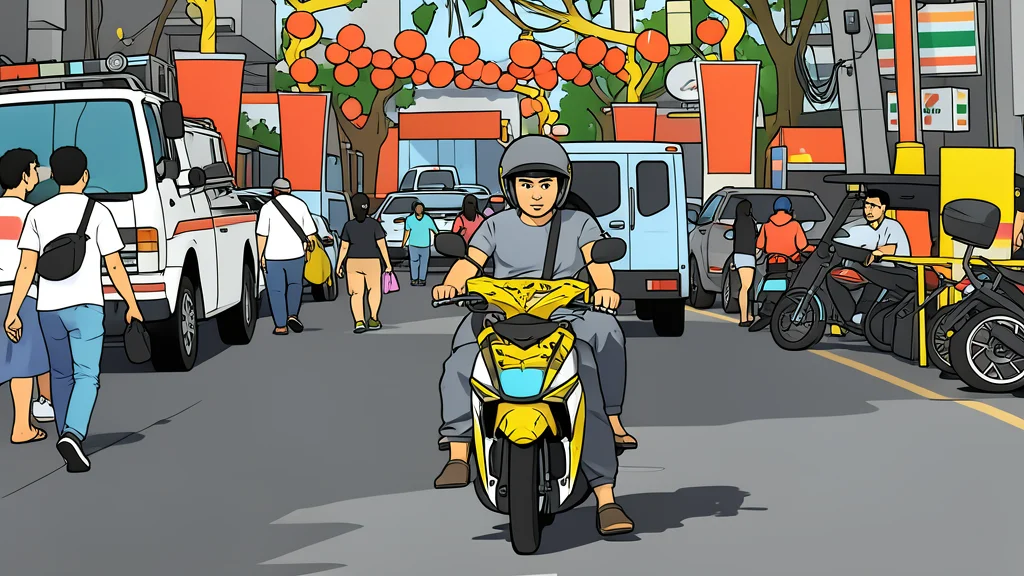
A distinct split has emerged in how the Philippines perceives its relationship with Beijing, characterized by a tension between geopolitical caution and social integration. According to recent analysis from GN auto geopolitics/asia-pacific: South China Sea, Filipinos increasingly view China through two separate lenses. One is the state actor, seen as an assertive force in the West Philippine Sea that challenges national sovereignty. The other is the everyday presence of Chinese products, from smartphones to cultural media, which have become embedded in ordinary Filipino routines.
This duality does not represent a contradiction in public sentiment, but rather a nuanced distinction between national security concerns and personal experience. While distrust of Beijing’s maritime policy remains high, opinions toward Chinese citizens and culture are shaped more by local interactions. This suggests that the path forward requires a strategy that manages friction without severing the economic and social ties that define much of modern life in the archipelago.
Maritime Disputes Shape National Distrust
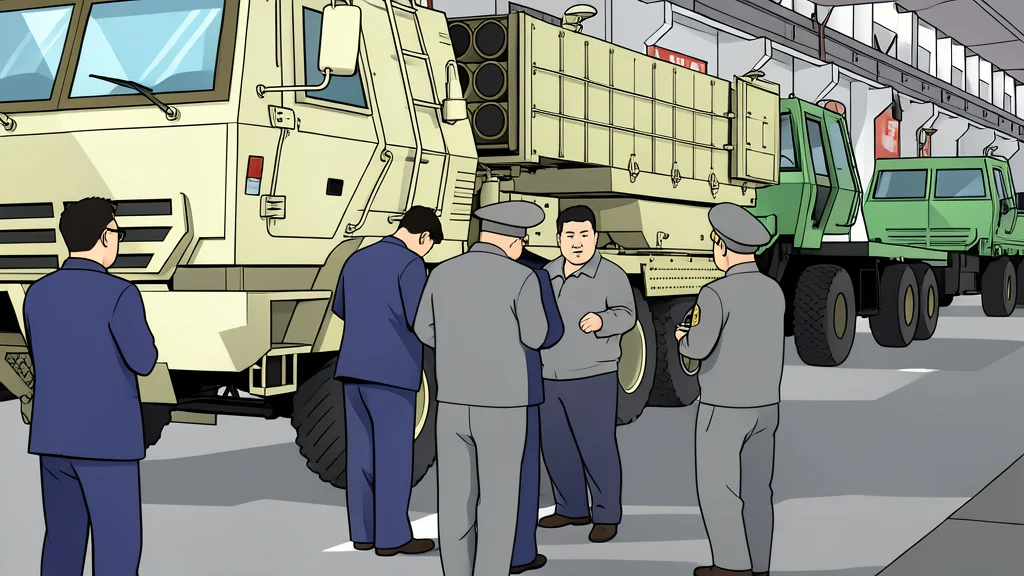
The primary source of skepticism toward Beijing is rooted in the ongoing maritime standoff. The 2016 arbitral award, which affirmed the Philippines' territorial rights, remains a cornerstone of Manila’s legal position, yet China continues to reject its validity. This refusal, combined with recurring incidents involving coast guard vessels and military maneuvers, has reinforced a perception of coercion. For the Filipino public, these events define the geopolitical face of China, fostering a deep-seated concern that international law is being disregarded in favor of assertive power projection.
Generational Shifts in Cultural Perception
Despite the hardened stance on sovereignty, a generational divide is reshaping attitudes toward Chinese influence. Survey data indicates that nearly half of Filipinos under the age of thirty hold favorable views of China, a significantly higher proportion than among older cohorts. This openness is driven by exposure to digital platforms, electric vehicles, and cultural content that resonate with daily life. However, analysts note that this receptivity is not an endorsement of Beijing’s territorial claims. Instead, it reflects a pragmatic acceptance of Chinese technology and culture that coexists with, rather than overrides, national security concerns.
Prioritizing Dialogue Over Crisis Reaction
To navigate this complex landscape, the emphasis is shifting from reactive measures to institutionalized engagement. Policymakers are urged to restore suspended defense talks and strengthen bilateral consultative mechanisms. By establishing crisis hotlines and cooperating on non-security issues such as disaster response and maritime safety, Manila can create channels for de-escalation. This approach acknowledges that while vigilance is necessary, sustained dialogue offers a more stable framework for managing differences and protecting long-term national interests.