Chargesheet Filed in Alleged Ricin Plot in India
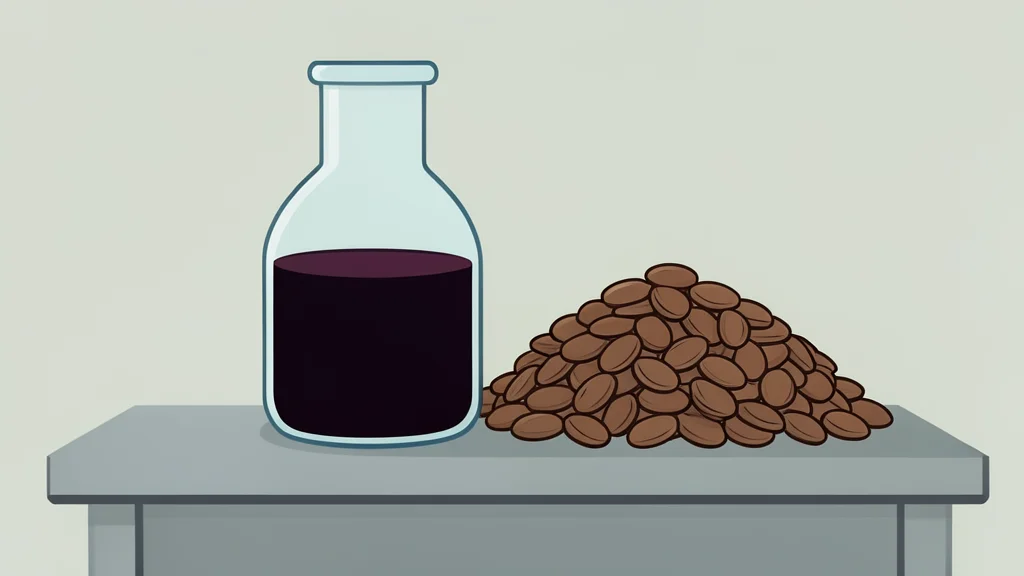
Indian authorities have charged a doctor and two associates with plotting a bioterrorism attack using ricin, an allegation they firmly deny.
Indian counter-terrorism officials have formally charged a Hyderabad-based doctor and two men from Uttar Pradesh with conspiring to carry out a mass poisoning attack using ricin. The National Investigation Agency (NIA) alleges the trio operated under the direction of foreign handlers linked to the Islamic State group. According to the chargesheet filed in Ahmedabad, the accused planned to deploy the toxin in public spaces to advance a violent agenda.
The case draws attention to the specific threat posed by biological agents in the context of modern terrorism. While the accused have not been convicted, the allegations suggest a coordinated effort to acquire and prepare a highly toxic substance derived from castor seeds. The defence has rejected the claims, arguing that the items found in the defendant’s vehicle do not prove criminal intent or a link to extremist networks.
Origins of the Investigation
The probe began in November 2025 when the Gujarat Anti-Terrorism Squad intercepted the primary suspect at a toll plaza. Officers reportedly discovered illegal weapons and a container of castor oil in the vehicle. This discovery led to the immediate arrest of the other two individuals. The NIA subsequently assumed jurisdiction in early 2026, asserting that the residence of the doctor had been converted into a clandestine laboratory for the production of the toxic substance.
Legal Proceedings and Defense
A special court in Ahmedabad rejected the primary suspect's application for regular bail in August 2026. The judge indicated that the prosecution material suggested a prima facie case of involvement in the alleged conspiracy. However, the legal proceedings are ongoing, and the allegations remain untested in a full trial. The defence maintains that the accused is innocent and disputes the narrative connecting him to the seized materials.
Broader Security Implications
This incident is part of a wider inquiry into alleged networks operating across multiple Indian states. Authorities are investigating the extent of foreign influence and the potential involvement of other operatives. The use of ricin, a substance listed under international chemical weapons conventions, highlights the evolving nature of security threats. Observers will watch for further disclosures regarding the scale of the alleged plot and the identities of any additional suspects.