South Sudan Signs Election Law Setting 270-Seat Parliament
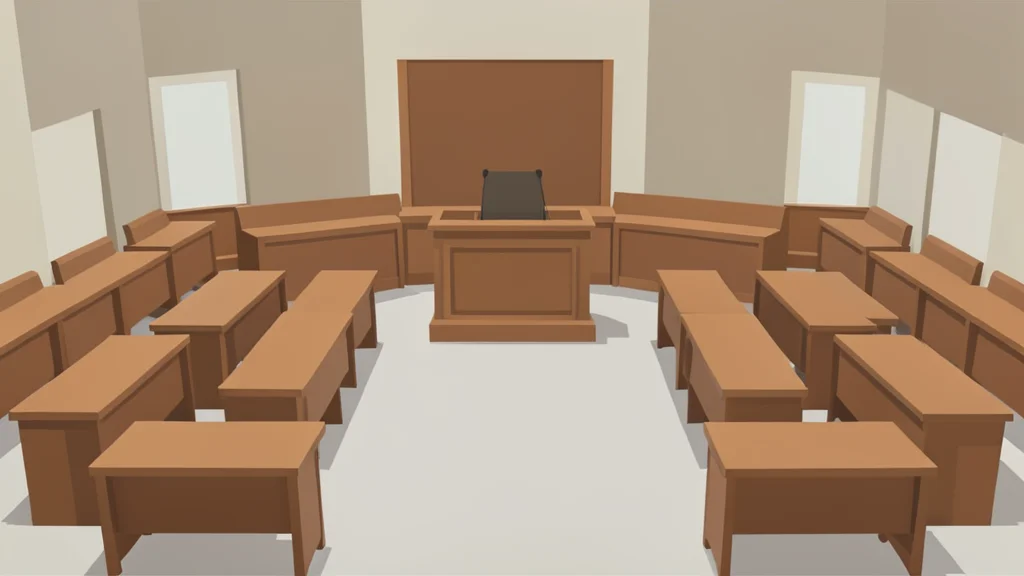
President Kiir signed the electoral amendment hours after passage, fixing the National Legislative Assembly at 270 members for the 2026 vote.
Key points
- President Salva Kiir signed the election amendment hours after the legislature passed it on Monday.
- The National Legislative Assembly is fixed at 270 members, while state assemblies will have 58 seats.
- The law allows election preparations to proceed without a permanent constitution or national census.
South Sudan’s National Legislature passed the National Elections Act, 2012 Amendment Bill 2026 on Monday, establishing the legal framework for general elections scheduled for December 2026. President Salva Kiir Mayardit assented to the legislation within hours of its passage, completing the legislative and presidential processes in a single day.
According to National Legislature spokesperson Oliver Mori, more than 25 lawmakers participated in deliberations, with the final size of the National Legislative Assembly being a primary point of contention. The House ultimately settled on a 270-member configuration, a decision that now defines the structure of the incoming government.
Parliamentary Size Debate Resolved
During the third reading of the bill, twelve members contributed to the debate regarding the number of seats. Seven lawmakers spoke in favor of a 270-member Parliament, while five supported a larger body of 332 members. Mori noted that the majority preference for the smaller assembly guided the final amendment adopted by the House.
The agreed-upon figure of 270 seats for the National Legislative Assembly will be the standard for the elections held by December 22, 2026. This structural decision effectively caps the size of the central legislature for the next term.
Legal Framework and Executive Continuity
The Office of the President stated that the amended law harmonizes provisions with the Transitional Constitution and provides a streamlined framework for the upcoming polls. It sets specific seat allocations for state and administrative bodies, with each State Legislative Assembly comprising 58 members and each Administrative Area Legislative Council having 20 members.
Crucially, the legislation allows the National Elections Commission to proceed with preparations without requiring a permanent constitution or a national census as prerequisites. It also ensures continuity of executive authority, permitting the incumbent president to retain constitutional powers until the newly elected leader assumes office.
Next Steps for Electoral Process
With the legal framework now established, the government’s focus shifts to enabling citizens to exercise their democratic rights through the ballot box in December 2026. The swift passage and signing of the bill signal an accelerated timeline for the democratic transition.
Observers will now watch how the National Elections Commission implements the new operational mandates for High Elections Committees across the states. The absence of a census as a prerequisite may present logistical challenges in voter registration and seat allocation that will need to be managed in the coming months.