Gaza Residents Pay Hourly for Basic Water Access
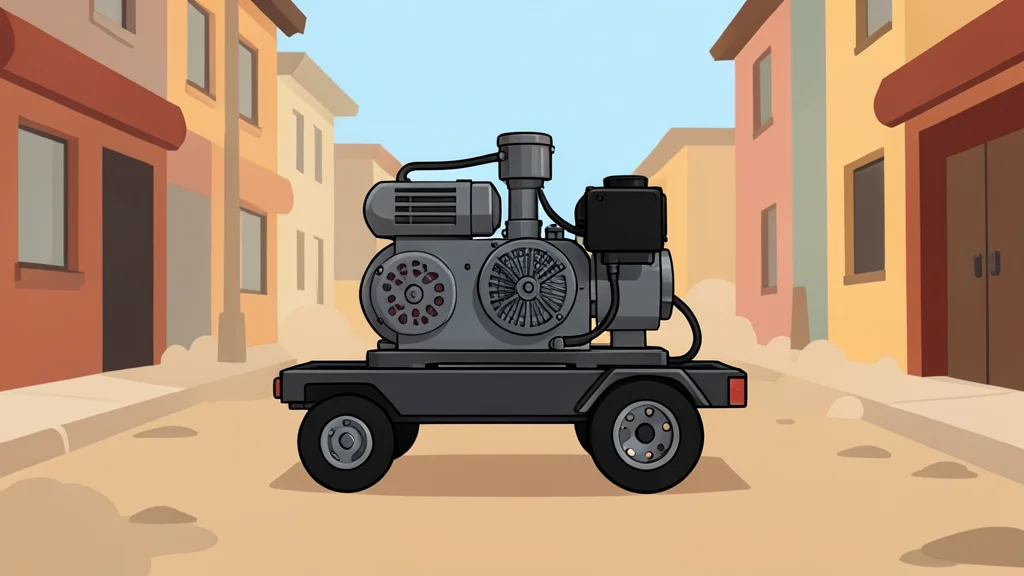
In a neighborhood stripped of infrastructure, families queue for hours to rent a single mobile generator, paying rising fees for minutes of electricity needed to fill water tanks.
In Gaza City, the absence of municipal electricity has transformed a basic household chore into a communal ordeal. For months, residents in the Nassr neighborhood have relied on a single portable diesel generator to power water pumps, a necessity born from the widespread destruction of local infrastructure. The machine, often mounted on a wheeled cart, becomes the focal point of the street, drawing neighbors who wait in line for brief windows of service.
According to Al Jazeera English, the cost of this essential service has climbed significantly. Families report paying between 33 and 40 dollars for an hour of generator use, excluding the price of diesel fuel they must provide themselves. This financial burden is compounded by the scarcity of resources, as spare parts and mechanics are difficult to access due to ongoing restrictions and the general degradation of the local economy.
A single point of power
Hajj Rabhi al-Fairi, a 79-year-old resident, describes the routine as a daily struggle. After returning to his damaged home in October 2025, he found that the neighborhood’s water and electricity systems were non-functional. His family, like others, depends on an old pump that requires external power to lift water to rooftop storage tanks. The generator arrives, and a timer is started, allowing each household only seven to eight minutes to fill their tanks before the operator moves to the next building.
The scarcity of such equipment is stark. Khalil Abu Ouda, a 39-year-old operator, notes that few small, mobile generators remain in working condition. Many have broken down, and the cost of repairs or replacements is prohibitive. Abu Ouda works 10 to 12 hours a day, moving his soot-covered machine from house to house, driven by high demand and the lack of alternatives for his customers.
Rising costs for daily needs
The economic pressure extends beyond water access. With homes destroyed and possessions lost, many residents are forced to rent services for tasks once performed at home. Abeer Ghorab, 52, who previously washed clothes independently, now must take them to a commercial laundry. This shift highlights a broader pattern where basic domestic functions have become expensive, external services due to the collapse of household infrastructure.
Operators like Abu Ouda face a difficult balancing act. While demand is at its peak, the costs of fuel, oil, and maintenance continue to rise. He acknowledges the desire to lower prices but cites the lack of alternatives as the primary driver of current rates. The situation illustrates a cycle where scarcity drives up prices, which in turn limits access to essential services for the most vulnerable.
Watching for infrastructure recovery
The reliance on rented generators underscores the fragility of daily life in Gaza. As long as municipal power and water supplies remain offline, residents will continue to depend on these mobile units. Observers should watch for changes in fuel availability, the entry of repair parts, and any shifts in the operational capacity of local utilities, as these factors will directly impact the cost and accessibility of basic services for thousands of families.