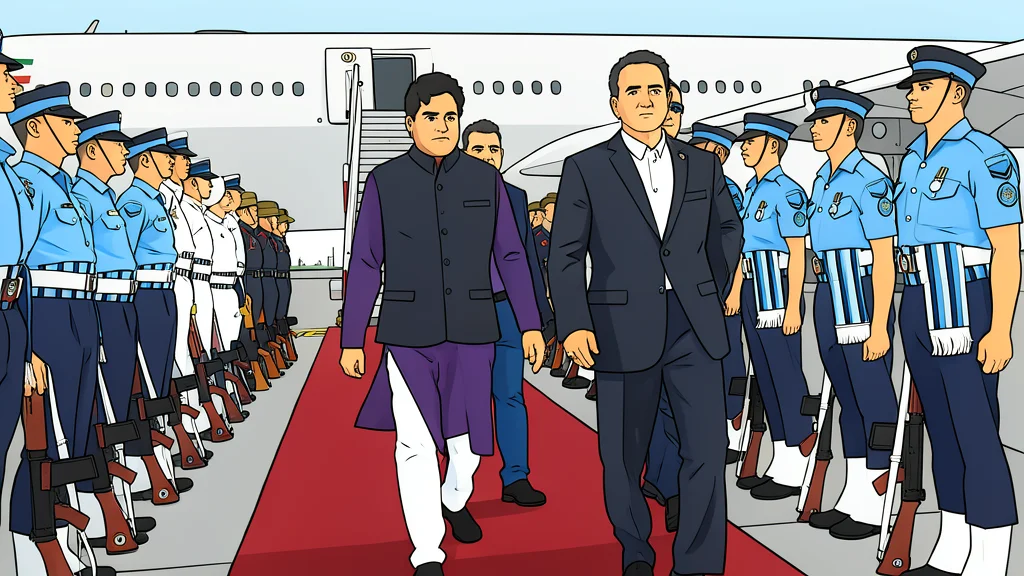
BRICS Declaration Challenges Unilateral Trade Measures
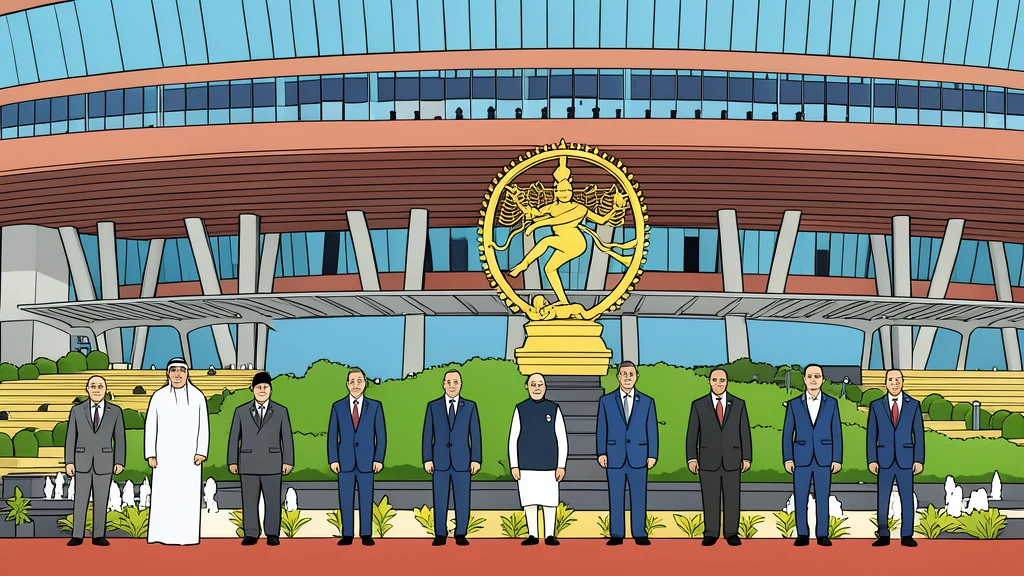
The New Delhi Declaration marks a significant diplomatic shift, with the bloc formally challenging the use of tariffs and sanctions as primary tools of statecraft.
The 18th BRICS Summit in New Delhi concluded with a declaration that firmly opposes the expansion of unilateral tariffs and economic sanctions. According to the final document, these measures are viewed as distortions of global trade that conflict with established World Trade Organisation rules. The grouping expressed serious concern over the increasing use of protectionist policies, arguing that such actions create unnecessary uncertainty for international businesses and disrupt critical supply chains.
As reported by GN geopolitics/trade (en-US), the declaration serves as a collective stance against what the bloc describes as inconsistent trade practices. The members emphasized that indiscriminate tariff hikes and non-tariff barriers, even those justified by environmental objectives, threaten to reduce global commerce. This position highlights a broader divergence in how emerging and developed economies approach the management of global trade flows and economic sovereignty.
Sanctions Impact Human Welfare
Beyond commercial interests, the New Delhi Declaration strongly condemned unilateral coercive measures, including secondary sanctions. The document argues that such policies are contrary to international law and have severe humanitarian consequences for populations in targeted nations. It specifically notes that these measures disproportionately affect vulnerable groups by undermining their access to development, healthcare, and food security, while also exacerbating the digital divide.
The bloc called for the elimination of what it termed unlawful measures, asserting that they violate the principles of the United Nations Charter. By highlighting the far-reaching social and environmental impacts of economic isolation, the declaration attempts to frame sanctions not merely as diplomatic tools, but as actions with tangible negative effects on global stability and human rights.
Pushing for Multilateral Reform
In response to these tensions, BRICS members have committed to making the World Trade Organisation more responsive to the needs of emerging markets. The declaration advocates for a balanced and inclusive multilateral trading system that strengthens global cooperation rather than fostering fragmentation. This approach underscores the group's preference for rules-based diplomacy over unilateral action, seeking to protect the economic interests of the Global South within existing international frameworks.
The summit's outcome reflects a growing desire among BRICS nations to reshape the global economic order in a way that is more equitable and less subject to the discretionary power of individual states. By emphasizing the importance of international law and multilateralism, the bloc is positioning itself as a counterbalance to the current trend of economic nationalism and strategic competition among major powers.
Watching Global Trade Dynamics
The next phase of this diplomatic development will likely involve the implementation of these commitments within international forums. Observers will watch how BRICS nations coordinate their responses to new trade restrictions and whether they can effectively mobilize support for their vision of a reformed trading system. The coming months will reveal if this declaration translates into concrete policy changes or remains a symbolic statement of shared values.
Ultimately, the tension between multilateral rules and unilateral measures remains a central challenge for global governance. The New Delhi Declaration sets the stage for further negotiations and potential conflicts as nations continue to navigate the complex intersection of economic policy, national security, and international law in an increasingly fragmented world.