Sudan's Burhan Excludes Militias from Post-War Political Transition

Sudan's military leader has declared that armed factions will have no role in the country's future governance, a stance that underscores the widening gap between the army and civil society groups seeking inclusive peace talks.
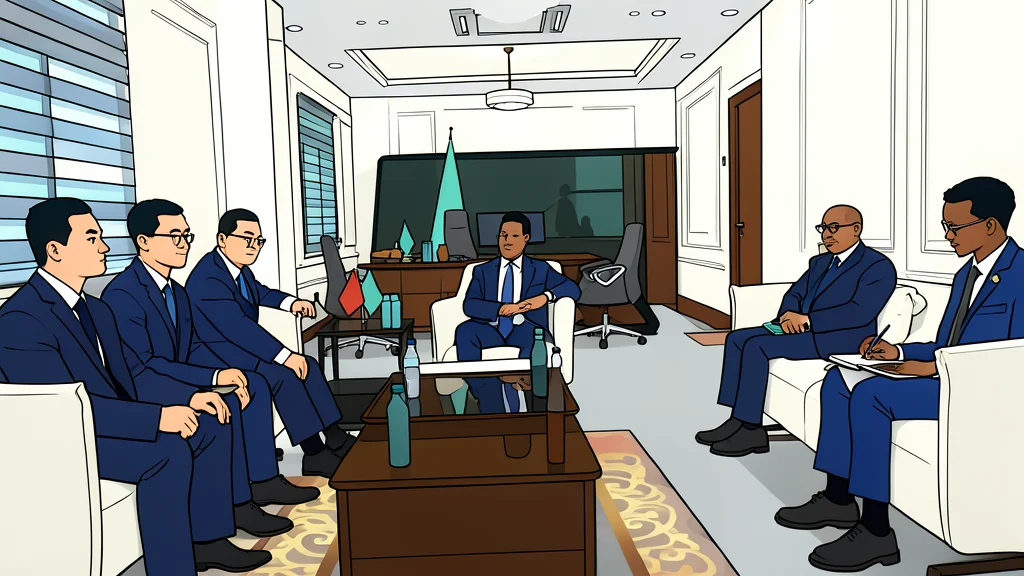
General Abdel Fattah al-Burhan, the head of Sudan’s military council, has stated unequivocally that no armed group will be permitted to secure political or military influence once the current conflict concludes. Addressing a delegation of journalists during a media forum in Khartoum, the general emphasized that the government is committed to a national dialogue designed to serve the interests of the Sudanese people while strictly excluding paramilitary actors from the decision-making process.
This position has drawn sharp criticism from various civil society coalitions, who argue that a political process led by one of the belligerent parties lacks the credibility necessary to deliver lasting peace. According to reports from GN auto geopolitics/africa: Sudan conflict, several actors have rejected the proposed dialogue, viewing it as an attempt to legitimize the military's control rather than facilitate a genuine transition to civilian rule.
Defending the 2021 Seizure of Power
In the same address, General Burhan defended the military’s October 2021 takeover, describing it not as a coup but as a necessary correction to the trajectory of the revolution. He accused the previous civilian-led government under Prime Minister Abdalla Hamdok of failing to build robust state institutions and prioritizing party politics over national stability. The general claimed that the military leadership rejected an alternative framework that would have allowed former ministers to retain executive control for a decade.
The military narrative frames the takeover as a response to systemic failures in the post-2019 power-sharing arrangement. By characterizing the prior administration as weak, the army seeks to justify its continued dominance in political affairs, despite international condemnation of the move which ended the fragile truce between civilian and military authorities.
Rejection of UN Arms Embargo
General Burhan also dismissed the likelihood of a United Nations Security Council arms embargo affecting the Sudanese army. He stated that he does not expect such a measure to pass and asserted that even if implemented, it would not alter the army's operational position on the battlefield. This stance reflects a broader skepticism toward international mechanisms that the military views as biased or ineffective in curbing the conflict.
The general reiterated his description of the Rapid Support Forces (RSF) as a terrorist militia, citing alleged abuses and atrocities committed during the war. He maintained that the army remains committed to the agreements reached in the Jeddah peace process, although repeated ceasefires have failed to halt the fighting. The military leadership insists that the RSF will not be integrated into the state structure due to their conduct in the conflict.
Unanswered Invitation to US Officials
Amidst these diplomatic and military maneuvers, General Burhan noted that Sudan has invited United States officials to visit the country to assess the situation on the ground. He stated that this invitation has yet to receive a response and renewed the call for American engagement. The request highlights the military's desire to present its perspective directly to key international stakeholders while navigating the complex dynamics of regional and global involvement in the Sudanese crisis.
The exclusion of armed groups from the political process sets the stage for a transition that may lack broad-based legitimacy. Observers will watch closely to see if the proposed national dialogue can proceed without the participation of the RSF and other militia leaders, and how international mediators will respond to the military's unilateral stance on the post-war order.