Modi and Xi Signal Caution in Border Resolution Efforts
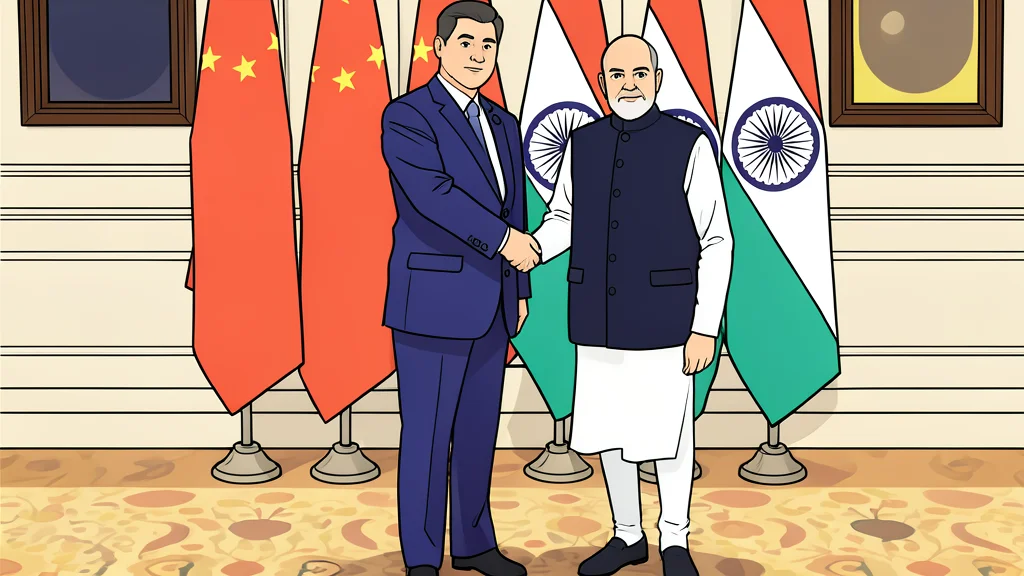
Indian and Chinese leaders met in New Delhi, expressing a shared commitment to resolving their long-standing territorial dispute while acknowledging the complexities of their high-altitude border.
New Delhi and Beijing have signaled a renewed diplomatic effort to address their contentious border situation, according to statements released by the Indian foreign ministry. Prime Minister Narendra Modi and President Xi Jinping met on September 12, marking a significant moment in the cautious thaw between the two nuclear-armed neighbors. The meeting, which took place during Xi’s visit to attend the BRICS summit, is being viewed as a critical step in stabilizing relations that have been strained since the deadly military clashes of 2020.
The Chinese president’s presence in India is particularly notable given that it is his first visit to the country since 2019. While the two leaders agreed to work toward a fair and mutually acceptable resolution, the underlying territorial dispute remains unresolved. Both nations continue to maintain heavy military deployments along the roughly 3,500-kilometer high-altitude border in the Tibet region, indicating that while diplomatic channels are open, the strategic posture on the ground remains tense.
Diplomatic Framework for Border Stability
According to the Indian foreign ministry, both leaders emphasized the importance of observing existing agreements and understandings regarding border-related issues. Modi highlighted the necessity of guiding the relationship through principles of mutual respect, mutual sensitivity, and mutual interest. The ministry noted that the two sides expressed commitment to a resolution that is fair, reasonable, and acceptable to both, aiming to prevent differences from escalating into broader disputes.
The diplomatic engagement comes against a backdrop of gradual improvements in ties, including the restoration of flights and high-level contacts. However, the geopolitical context remains complex, with the GN geopolitics/border desk noting that the high-altitude nature of the border adds significant logistical and strategic challenges to any potential resolution. The leaders’ agreement to complement each other’s strengths suggests a desire to move beyond confrontation and toward a more structured diplomatic framework.
Economic Imbalances Shape Negotiations
Trade dynamics were a central focus of the discussions, reflecting the deep economic interdependence between the two nations. China is currently India’s largest trading partner, with bilateral goods trade reaching approximately 151 billion dollars in the 2025-26 financial year. Despite this volume, the relationship is heavily tilted toward Beijing, with India importing 131 billion dollars of goods from China while exporting only 19 billion dollars, resulting in a record trade deficit of 112 billion dollars.
Xi Jinping called for high-quality financial cooperation and the promotion of an open and inclusive economic globalization. In response, the Indian ministry stated that both sides underlined the need to address structural trade imbalances and supply chain issues. The goal is to facilitate meaningful and predictable market access, suggesting that economic negotiations are now inextricably linked to the broader strategic relationship between the two countries.
Public Sentiment and Security Concerns
The visit has not been without public scrutiny. Dozens of Tibetan exiles protested in New Delhi on September 11, waving placards against the Chinese leader’s presence. These demonstrators, like the Dalai Lama who has lived in India since fleeing China in 1959, represent a vocal segment of the population with strong views on the geopolitical implications of Xi’s visit. The Indian government has sought to manage these tensions by emphasizing that differences should not become disputes.
The forward question remains how these diplomatic commitments will translate into tangible changes on the ground. With heavy military deployments still in place and significant economic imbalances persisting, the coming months will be crucial in determining whether this thaw represents a lasting shift or a temporary pause in a long-standing rivalry. Observers will closely watch for any further high-level contacts or changes in border security protocols.