NATO Coalition Tactics in Afghanistan
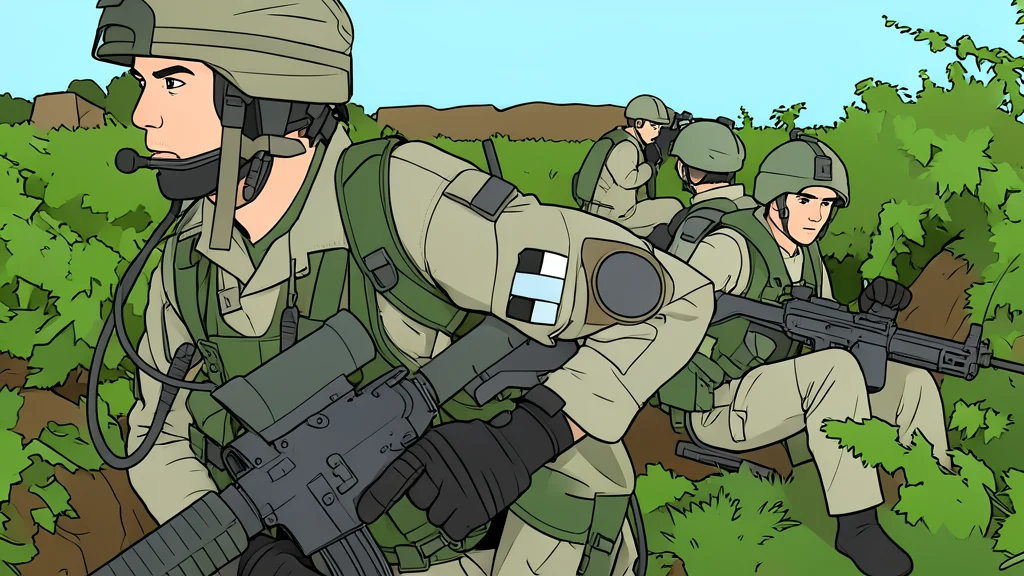
The 2006 Panjwayi offensive offers a case study in integrated alliance operations as the organization seeks to modernize its collective defense posture.
Two decades ago, the joint effort known as Operation Medusa demonstrated the complex mechanics of coalition warfare in the Panjwayi district. According to the NATO Association, this campaign represented the largest deployment of Canadian forces since the Second World War and served as a critical test for multinational cooperation. The operation was designed to dismantle a significant insurgent stronghold that threatened the security of Kandahar, highlighting both the potential and the logistical hurdles of working within a diverse alliance structure.
As the alliance focuses on rearmament and deeper integration to protect its members, the lessons from this 2006 engagement remain highly relevant. The experience reveals how different national capabilities can be woven together to achieve a common objective, despite varying operational constraints and political considerations. Understanding these dynamics is essential for refining future strategies and ensuring that collective security remains robust in an evolving geopolitical landscape.
Operational Constraints and Planning
The planning phase for the offensive was defined by strict logistical limitations imposed by the broader mission in Afghanistan. Senior commanders had to assemble a capable force while knowing that key assets, including air support and additional troops, would only be available for a brief window in early September. These restrictions required meticulous coordination to ensure that the coalition could deliver a decisive blow before support elements were redeployed elsewhere in the theater.
Multinational Force Composition
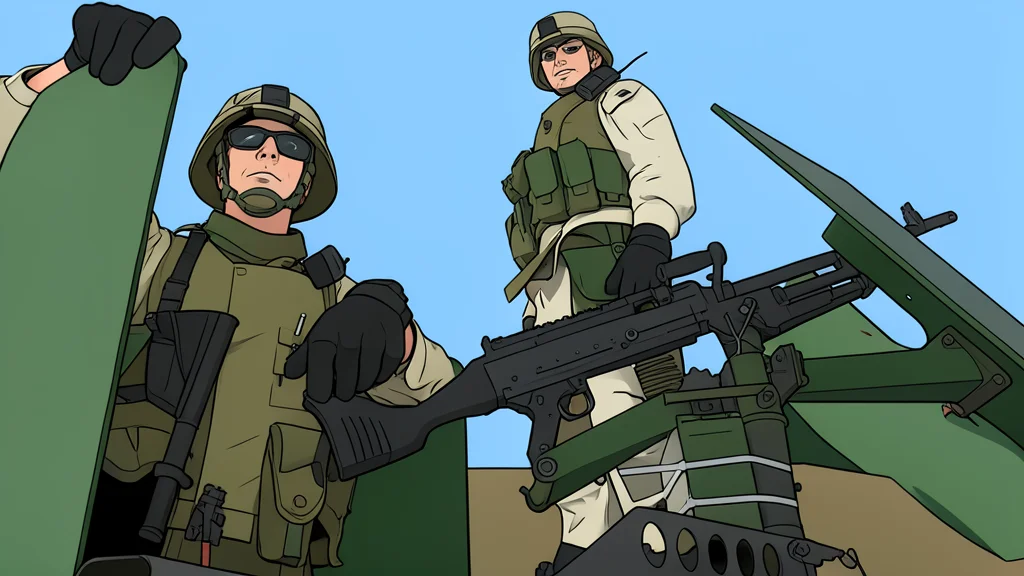
The fighting force was a diverse assembly of personnel from Canada, the United States, the United Kingdom, Denmark, and the Netherlands, alongside Afghan National Army units. This multinational composition required precise synchronization of roles, with each nation contributing specific strengths to the overall strategy. The integration of these various units into a cohesive combat structure was a central challenge that had to be overcome to ensure operational success on the ground.
During the execution of the mission, the division of labor was clearly defined to maximize effectiveness. While Canadian ground troops provided the primary assault force, other allies took on critical support and flank security roles. This arrangement allowed for a comprehensive encirclement of the target area, leveraging the unique capabilities of each participating nation to create a unified front against the insurgent presence.
Integrated Fire Support Systems
Air and artillery support played a pivotal role in the success of the offensive, showcasing the value of integrated fire support. British and Dutch attack helicopters struck targets identified by ground forces, while American B-1 bombers conducted high-altitude strikes. Additionally, Dutch and Danish artillery units provided essential fire support, with the Dutch debuting their PzH2000 howitzers in combat for the first time. This layered approach to firepower helped neutralize positions and secure the district for stabilization efforts.
The outcome of the operation provided a significant boost to the credibility of the international mission in Afghanistan. By successfully displacing the insurgent force, the coalition demonstrated its ability to operate effectively as a unified entity. According to the NATO Association, this remains a testament to the strengths of allied cooperation, offering a valuable benchmark for how nations can work together to achieve complex military objectives in challenging environments.