Kyiv Prepares for Fuel Shortages Amid Intensified Russian Strikes
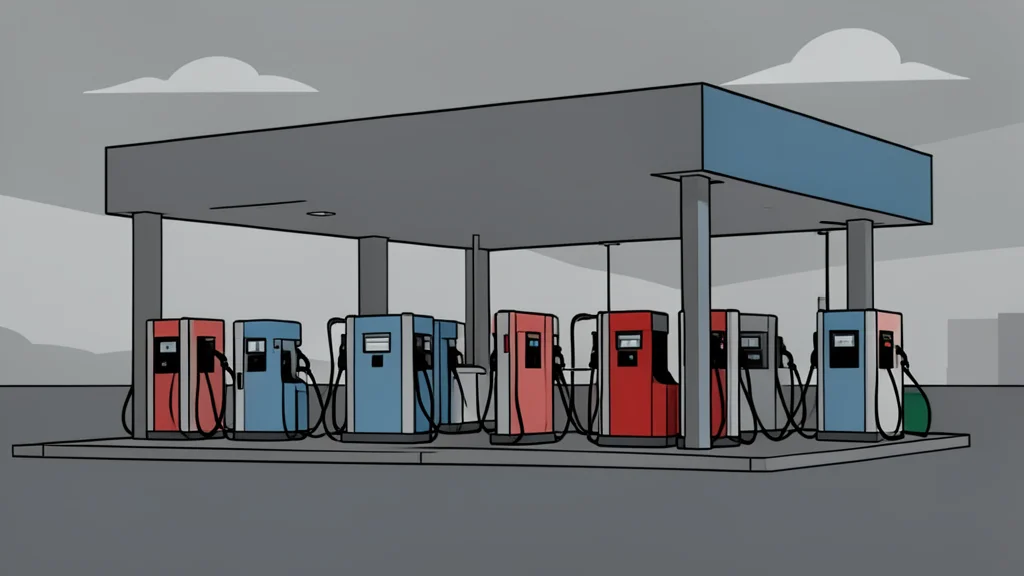
City officials are drafting contingency plans for potential fuel scarcity as Russian attacks on infrastructure in the capital intensify.
Kyiv is preparing for the possibility of significant fuel shortages as Russian strikes on energy infrastructure in the capital intensify. According to Mayor Vitali Klitschko, the city is currently lacking the specific air defense systems required to intercept the drones and missiles threatening these sites. This shortfall in protective capabilities has prompted authorities to draft contingency plans to manage potential disruptions in fuel supply for both civilian and military use.
The urgency of these preparations follows a series of attacks on gas stations over the past week, marking a notable shift in the conflict dynamics. While similar strikes have historically been concentrated in frontline regions, recent incidents in Kyiv indicate an expanding campaign aimed at critical urban infrastructure. This escalation has disrupted local fuel distribution, raising concerns about the impact on daily life and operational mobility for personnel reliant on passenger vehicles.
Defensive gaps in air defense systems
Speaking at the Yalta European Strategy conference, Klitschko acknowledged that protecting gas stations is a complex challenge due to resource constraints. He stated that the city does not have the capacity to construct shelters at every fuel station, a measure that would otherwise provide direct protection for citizens and infrastructure. The mayor emphasized that the core issue remains the availability of interceptor missiles capable of countering a wide range of aerial threats, including drones and ballistic missiles.
According to Kyiv Independent, the mayor’s remarks highlight a broader strategic concern regarding the sustainability of air defense operations. The shortage of interception means has left certain critical infrastructure sites more vulnerable than in previous phases of the conflict. This situation underscores the pressure on municipal and national authorities to balance immediate protective needs with limited defensive resources.
Stockpiling fuel for winter emergencies
In response to the growing threat, city authorities have confirmed that they have stockpiled fuel reserves for the upcoming winter season. Klitschko noted that these reserves are intended to ensure the continued operation of generators during potential power outages. With expectations that Russia may again target Ukraine’s energy grid ahead of colder months, these measures are designed to maintain essential services and heating capabilities even if direct supply chains are disrupted.
Planning for multiple crisis scenarios
The mayor indicated that authorities are actively working through various operational plans to address different potential outcomes. Klitschko stated that the city must be prepared for a range of scenarios, including worst-case situations involving prolonged shortages or widespread infrastructure damage. This approach reflects a strategic shift toward comprehensive crisis management, prioritizing resilience in the face of sustained aerial bombardment and logistical challenges.
As the conflict evolves, the focus on protecting and securing fuel infrastructure has become a central part of Kyiv’s defensive strategy. The coming weeks will likely see a continued emphasis on resource allocation and public communication regarding safety measures. Observers will be watching how the city implements these contingency plans and whether additional international support for air defense systems becomes available to mitigate the current defensive gaps.