Czech and Polish Leaders Use Cartoon Icons to Counter Disinformation
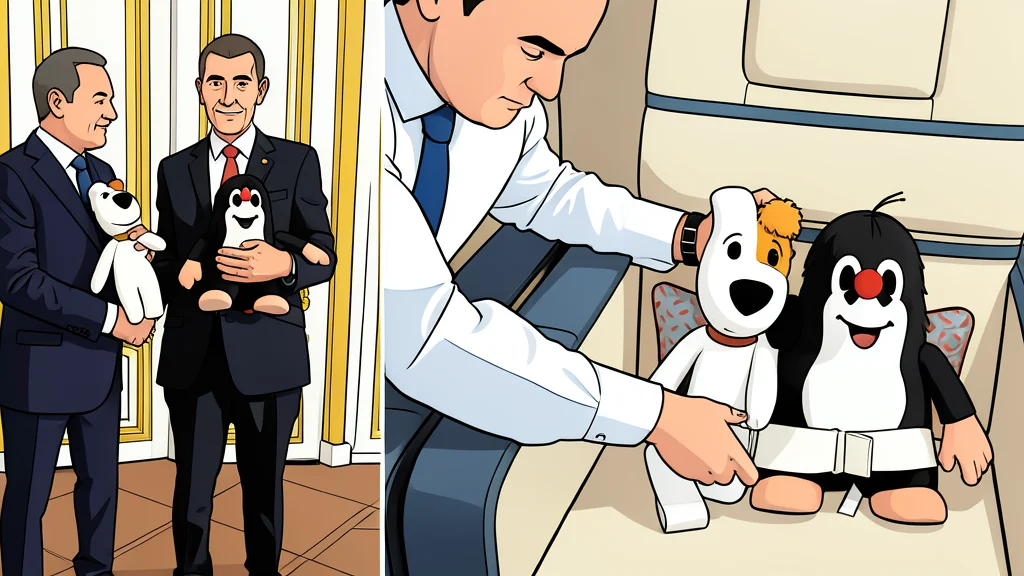
Czech and Polish prime ministers embraced national cartoon characters during a Bratislava summit to visually reject false narratives of territorial conflict, signaling a unified front against suspected external interference.
Czech Prime Minister Andrej Babiš and his Polish counterpart Donald Tusk recently leveraged two iconic animated characters to address a significant diplomatic challenge. During their meeting in Bratislava, the leaders held a plush mole and a dog, symbols deeply rooted in their respective national cultures, to visually counter a wave of disinformation. This gesture served as a clear rejection of fabricated claims suggesting a territorial dispute between the two neighbors, transforming lighthearted cultural references into a tool for political clarity.
The incident follows a coordinated campaign of false online reports that sought to create the impression that Poland was attempting to seize Czech territory. According to officials, the operation included fake diplomatic profiles, forged documents, and fabricated media reports. While the campaign has been investigated as a suspected Russian influence operation, the Czech and Polish governments have united in their response, using the shared cultural heritage of the two nations to reinforce their alliance.
Cultural Symbols as Diplomatic Assets
The choice of Krtek, the Czech mole, and Reksio, the Polish dog, is not merely symbolic but deeply historical. Created by animators in the mid-20th century, these characters have long served as cross-border cultural fixtures. Their largely wordless adventures made them familiar to audiences in both countries, providing a shared emotional baseline. By pairing these icons, Tusk and Babiš tapped into a sense of long-standing friendship that predates recent political tensions, effectively using nostalgia to neutralize the impact of hostile narratives.
Prior to the summit, Tusk had already posted an image of the two characters together, writing in Czech that they had long known their nations were true friends. This early use of the motif helped set the tone for the broader public response. The quick adoption of this imagery by citizens and media outlets demonstrated how digital culture can be mobilized to support diplomatic messaging, turning a potential source of conflict into a moment of solidarity.
Exposing the Disinformation Campaign
The disinformation campaign targeted a genuine but dormant historical issue regarding border adjustments from 1958. However, the fabricated material went far beyond historical grievances, falsely suggesting active annexation efforts. Investigators documented the use of compromised regional websites and fake social media accounts impersonating diplomats. According to the GN geopolitics/border desk, these methods closely resemble known influence operations aimed at destabilizing regional cohesion. The precision of the fake reports, including claims about local residents fearing border changes, highlighted the sophistication of the attempted interference.
Despite the lack of conclusive public attribution to a specific state actor, Polish and Czech analysts have noted the structural similarities to previous Russian-linked campaigns. The objective was clearly to exploit historical sensitivities to create discord. By responding with humor and cultural unity rather than immediate military or legal escalation, the leaders of both countries demonstrated a nuanced approach to managing digital threats. This strategy allowed them to control the narrative while avoiding an escalation that might serve the disinformation operators' goals.
Future Steps for Regional Solidarity
Looking ahead, the Bratislava meeting laid the groundwork for further engagement. Tusk invited Babiš to Warsaw in November, framing the visit as a demonstration of continued solidarity. This upcoming meeting is expected to focus on broader security and economic cooperation, reinforcing the political ties that the recent disinformation campaign attempted to undermine. The use of cartoon icons may continue to serve as a public-facing symbol of this resilience, reminding citizens that their shared cultural identity is a stronger bond than any fabricated threat.
As digital disinformation becomes an increasingly common tool in geopolitical maneuvering, the Czech-Polish response offers a case study in adaptive diplomacy. By choosing a tone that is calm, even-handed, and culturally resonant, the leaders have set a precedent for how nations can counter manipulation without abandoning their core values of friendship and cooperation. The next steps will likely involve enhanced cybersecurity measures and continued public education on identifying fake content, ensuring that such tactics lose their potency in the future.