Uganda's Tooro Kingdom Faces Succession Crisis After King Oyo's Death
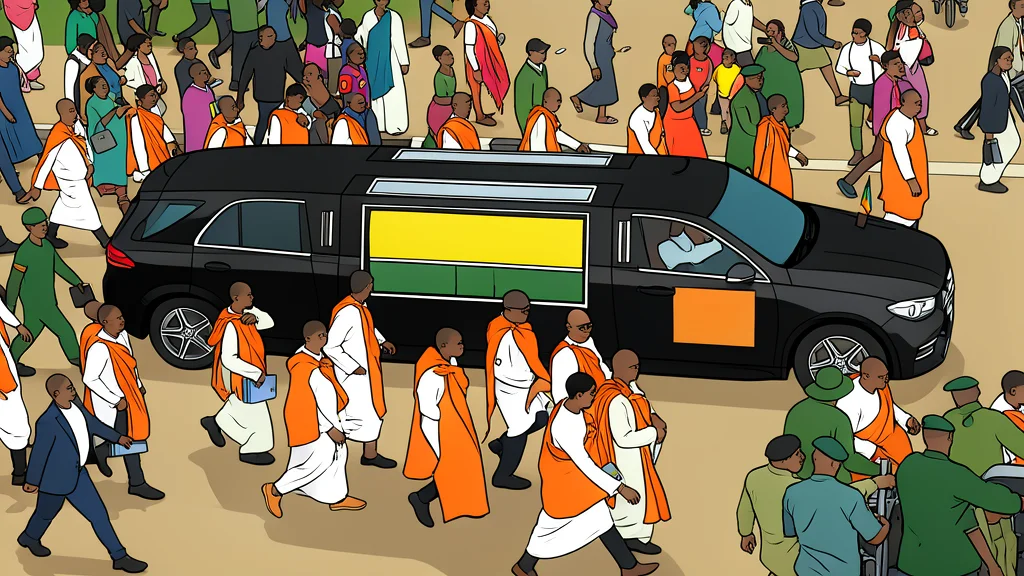
The burial of Uganda's late King Oyo highlights a deepening rift between clan elders and the royal family over the identity of the Tooro kingdom's next monarch.
King Oyo Nyimba Kabamba Iguru Rukidi IV, once recognized as the world's youngest reigning monarch, was interred on Saturday in the royal tombs of Fort Portal. The ceremony concluded a period of intense internal conflict within the Tooro kingdom, where the late king's death has triggered a dispute over succession that has drawn the attention of national leaders and religious authorities.
Oyo, who passed away at the age of 34 while undergoing cancer treatment in the United States, had ruled since childhood. As thousands of mourners lined the streets for the final procession, the atmosphere was marked by both profound grief and political tension. The burial served as a symbolic transition, yet the question of who holds the throne remains unresolved, leaving the kingdom in a state of uncertainty.
Competing Claims Over Royal Heritage
According to BBC World, clan elders have formally named Prince Edward Rukidi Kijanangoma, a 56-year-old television presenter and cousin to the late king, as the new monarch. This designation was accompanied by a traditional ritual involving coffee beans, signaling the end of one reign and the beginning of another. However, the royal family has firmly rejected this choice, asserting that it violates the late king's personal wishes.
Princess Ruth Komuntale, the late king's sister, stated that Oyo left a will in 2022 designating his young son as the successor. The identity of the child has not been made public. In response to the elders' decision, Queen Best Kemigisa, the late king's mother, alleged that royal guards were withdrawn and soldiers deployed around the palace. She described this military presence as a form of house arrest that restricted the family's movement and ability to receive visitors.
Calls for National Unity
Amid the escalating tensions, prominent figures have urged both sides to prioritize stability over factional interests. Archbishop Stephen Kazimba Mugalu warned mourners that words spoken in grief can cause lasting division and destroy the legacy of the deceased king. His appeal for peace was echoed by President Yoweri Museveni, who called for the matter to be resolved in a manner that favors unity over division within the kingdom.
Tradition and Political Context
The Tooro kingdom is one of Uganda's traditional states, abolished in 1967 but restored in the 1990s. Its monarchs are recognized as cultural leaders rather than political rulers, a distinction that adds complexity to the current standoff. Charles Karumasi, the head of the Babiito royal clan, defended the elders' selection of Kijanangoma, stating that all actions were taken in strict observance of Tooro's culture and traditions.
As the kingdom moves forward, the focus now shifts to how this dispute will be mediated. The interplay between ancient custom, modern legal documents like wills, and the authority of state security forces presents a significant challenge. Observers are watching to see if the clan elders will maintain their position or if the royal family's claims regarding the late king's will will gain broader acceptance, a resolution that will define the future structure of Tooro's leadership.