New Delhi Declaration Sets Tone for Expanded Brics Agenda
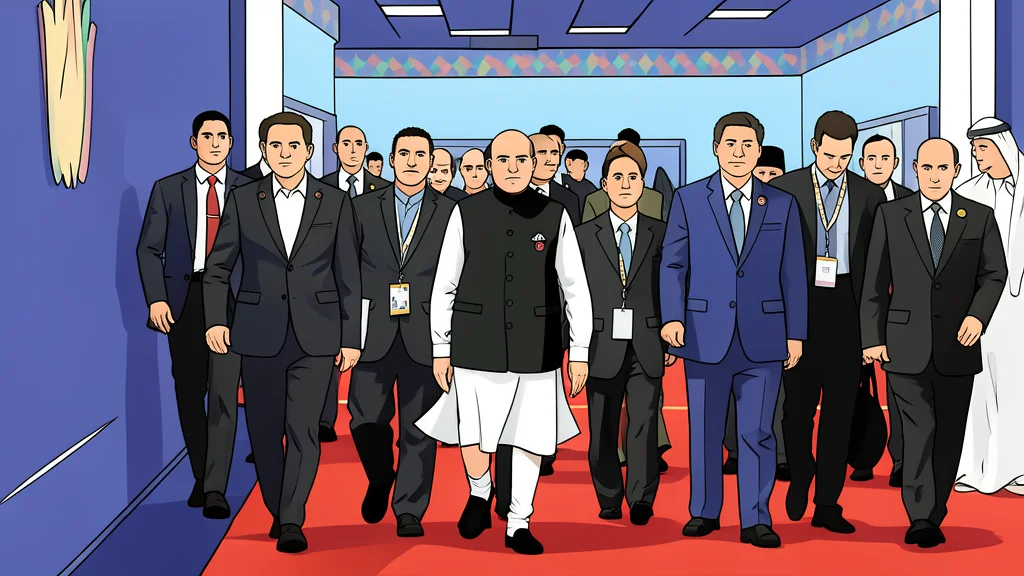
India’s 2026 Brics chairship concludes with a focus on resilience and institutional reform, as leaders navigate complex geopolitical shifts.
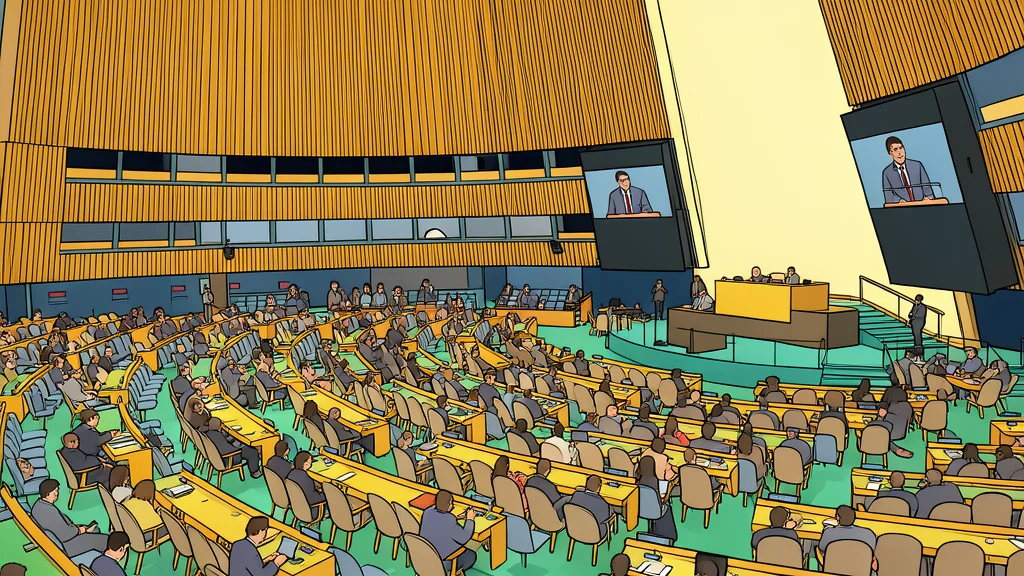
New Delhi has concluded the 18th Brics Summit, a gathering that brought together the heads of state from the expanded eleven-member grouping. According to reports from GN geopolitics/diplo (en-US), the event served as a platform to address urgent global issues ranging from terrorism and trade to energy security and the reform of international institutions. India utilized its role as the 2026 chair to advocate for a people-centric agenda, emphasizing resilience, innovation, and sustainable cooperation in a fractured global landscape.
The summit was characterized by high-level bilateral engagements and visible displays of camaraderie among participating leaders. Prime Minister Narendra Modi held separate discussions with Russian President Vladimir Putin, Chinese President Xi Jinping, and Iranian President Masoud Pezeshkian. These meetings were complemented by the Brics Business Forum and cultural events, culminating in the adoption of the New Delhi Declaration. This comprehensive document outlines the grouping's collective positions on critical global challenges, signaling a coordinated approach to emerging geopolitical pressures.
India China Relations Seek Strategic Reset
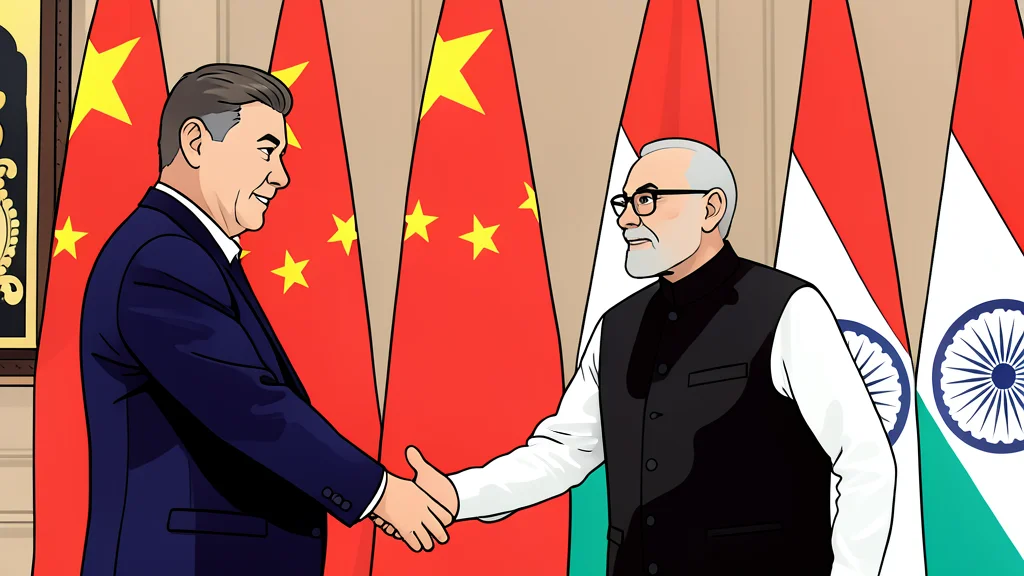
One of the most closely watched engagements was the bilateral meeting between the Indian and Chinese leaders. Both sides emphasized the necessity of viewing their relationship through a long-term strategic lens, prioritizing stability over short-term disputes. According to official statements, the two leaders committed to seeking a fair and mutually acceptable solution to the boundary question. Prime Minister Modi stressed that differences should not escalate into disputes, highlighting the importance of mutual respect and sensitivity in managing border tensions.
The discussions extended to economic matters, including trade imbalances, supply chain security, and people-to-people exchanges. The meeting reflects New Delhi and Beijing's shared interest in stabilizing bilateral ties while continuing to manage underlying disagreements. By engaging within the expanded Brics framework, both nations are attempting to create a diplomatic space that allows for constructive dialogue despite historical and strategic complexities in their direct relationship.
Russia Partnership Focuses on Maritime Safety
In a separate bilateral session, Prime Minister Modi and President Putin discussed the impact of the Russia-Ukraine conflict and the West Asia crisis on maritime trade. The conversation highlighted the safety and security of Indian seafarers, a pressing concern following the deaths of five Indian nationals in the Black Sea amid hostilities. According to diplomatic sources, both leaders agreed that dialogue and diplomacy remain the primary pathways for resolving these conflicts, with India expressing readiness to contribute to peace efforts.
The India-Russia strategic partnership also advanced in economic terms, with both sides agreeing to work toward a bilateral trade target of $100 billion by 2030. Discussions covered a wide range of sectors, including defense, energy, critical minerals, and civil nuclear cooperation. President Putin invited Prime Minister Modi to Russia for the 24th Annual Summit, a move that underscores the continued depth of the bilateral relationship despite the broader geopolitical pressures surrounding Moscow.
Symbolic Diplomacy Shapes Summit Narrative
The summit was marked by symbolic gestures that highlighted the unity of the Brics bloc. A defining moment occurred when Prime Minister Modi and President Putin traveled together in the same vehicle inside the Bharat Mandapam complex before attending the Brics Business Forum. This visual display of closeness was noted as a significant indicator of the enduring nature of the India-Russia relationship. Such moments of bonhomie, combined with gala dinners and cultural engagements, served to reinforce the narrative of solidarity among the group's members.
The final output of these discussions is the New Delhi Declaration, a 45-page document containing 140 points. It consolidates the grouping's stance on terrorism, unilateral military action, and global governance. As the Brics bloc continues to expand, these institutional mechanisms aim to provide a counter-narrative to existing global orders, focusing on development and financial reform. The forward-looking question remains how these diplomatic commitments will translate into concrete policy actions in the coming year.