UN Official Warns of Fragmented and Diffuse Global Terror Threat
A senior UN counter-terrorism official has cautioned that the global threat landscape is evolving into a more decentralized and technologically sophisticated model, making traditional detection methods increasingly inadequate.
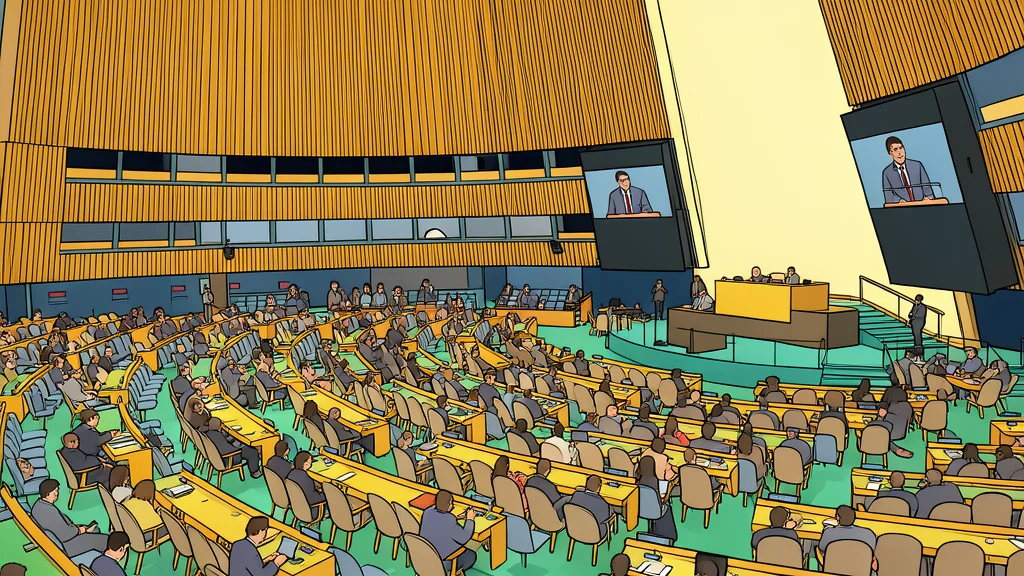
The global counter-terrorism landscape is undergoing a significant structural shift, according to Natalia Gherman, who leads the United Nations Security Council's Counter-Terrorism Committee Executive Directorate. Speaking during a high-level meeting that coincided with the 25th anniversary of the September 11 attacks, Gherman described a threat environment that has become notably more fragmented and diffuse. This assessment, reported by GN geopolitics/terror (en-US), highlights a move away from centralized command structures toward more agile and decentralized networks that are difficult for state actors to track and disrupt.
The official noted that terrorist groups are increasingly exploiting fragile governance structures, resource competition, and local grievances to sustain their influence. By decentralizing operations and diversifying their financing streams, these actors are able to adapt their strategies to specific local vulnerabilities. This fragmentation not only complicates intelligence gathering but also allows groups to maintain a persistent presence in conflict-prone regions without relying on a single, identifiable leadership hub.
Technology Reshapes Operational Capabilities
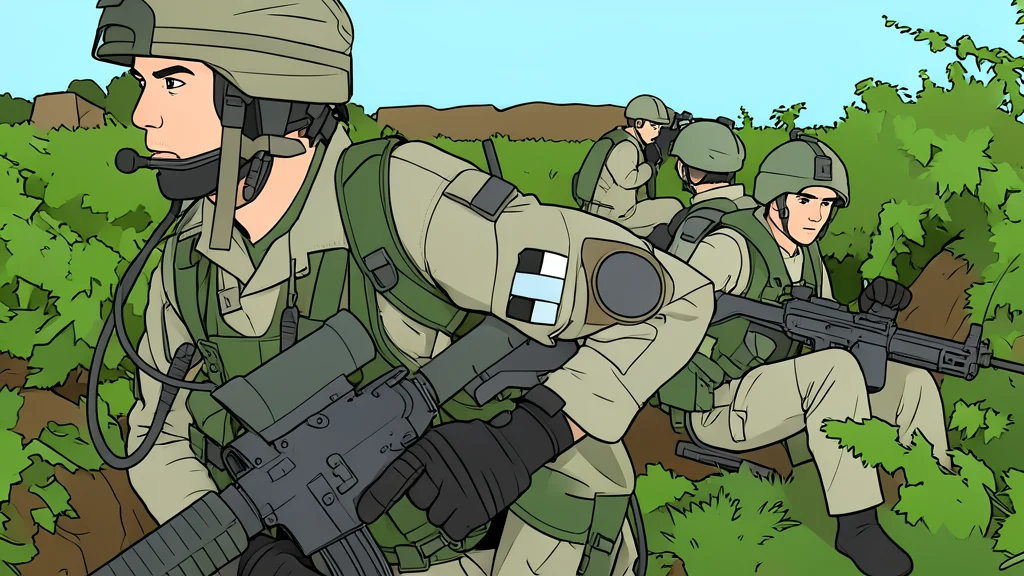
A central theme of the briefing was the accelerating role of new technologies in expanding the reach of violent extremists. Gherman pointed out that actors are now utilizing advanced tools not merely for propaganda and recruitment, but for critical operational tasks such as attack planning, intelligence gathering, and financial management. The accessibility and affordability of unmanned aircraft systems have particularly raised concerns, as these devices are being employed for surveillance, reconnaissance, and direct attacks. This technological integration is lowering the barrier to entry for decentralized cells and lone actors, whose pathways to violence are often less visible and harder to intercept than those of larger organizations.
Furthermore, advancements in artificial intelligence and automated content generation are enhancing the speed, scale, and precision of recruitment efforts. Social media platforms, gaming environments, and other virtual spaces are being leveraged to identify vulnerabilities and target specific demographics, including men and women with tailored messaging. This digital expansion of the threat vector suggests that the counter-terrorism community must adapt its defensive and preventive strategies to address a more sophisticated and technologically driven adversary.
Decentralized Financing and Criminal Nexus
The financial architecture supporting terrorism is also becoming more complex and harder to detect. While traditional methods such as cash couriers and informal value transfer systems remain widespread, the official highlighted a growing reliance on digital channels. Online payment services, crowdfunding platforms, mobile money systems, and virtual assets are increasingly being exploited to move funds and sustain operations. This shift toward decentralized financing networks complicates efforts to cut off the financial lifelines of extremist groups, requiring more nuanced and technologically advanced monitoring approaches.
The nexus between terrorism and organized crime continues to be a prominent feature in several contemporary conflict environments. Many groups generate revenue through criminal activities, including extortion, kidnapping for ransom, trafficking, and the exploitation of natural resources. This overlap blurs the lines between state-sponsored terrorism, non-state extremism, and transnational criminal networks, creating a multifaceted challenge that demands continued international cooperation and a robust commitment to prevention and preparedness.
Addressing Emerging Vulnerabilities
Among the most pressing challenges identified is the recruitment and exploitation of children and youth. Gherman emphasized that violent extremist actors are actively targeting young individuals through digital spaces, exploiting their vulnerabilities to draw them into the fold. This trend represents a significant shift in the demographic profile of those involved in terrorism, necessitating targeted interventions that address the specific psychological and social factors driving youth radicalization.
Looking forward, the focus for the international community will likely remain on strengthening cooperation to monitor these decentralized networks. The challenge lies in balancing the need for robust security measures with the protection of digital freedoms and the prevention of unintended consequences. As the threat becomes more diffuse and technologically integrated, the ability to identify and disrupt these fragmented cells before they act will be critical to maintaining global security.