US Lifts Sanctions on Eritrean Leadership

Washington allowed restrictions on Eritrea's ruling party and military to lapse, signaling a shift in policy toward the Horn of Africa.
Key points
- The US Treasury Department allowed sanctions on Eritrea's ruling party and military to expire in 2025.
- The original sanctions were imposed in 2021 by the Biden administration over human rights abuses during the Tigray war.
- Recent diplomatic talks between Eritrea and US advisors preceded the decision to lift the restrictions.
The United States has effectively ended its sanctions regime against the leadership of Eritrea. According to a statement from the Treasury Department on Friday, the Trump administration allowed the restrictions on the country's ruling party and military apparatus to expire without renewal.
These measures were originally imposed by the Biden administration in 2021. They cited human rights abuses committed during the Tigray war in neighboring Ethiopia, a conflict that concluded the following year but left a legacy of severe humanitarian crisis and regional instability.
Diplomatic Shift Toward Asmara
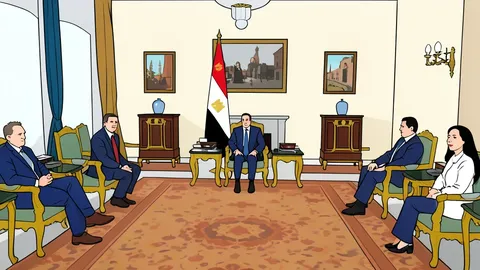
The decision follows a period of quiet diplomatic engagement. Semafor reported in April that Egypt-brokered talks had taken place between Eritrea's president and senior US Africa advisors. By May, Reuters indicated that Washington was preparing to lift the sanctions as part of a broader rapprochement with Asmara.
According to reporting from yahoo.com, this move represents a significant pivot from the previous administration's stance. It suggests that US policymakers are now weighing strategic cooperation against the prior focus on human rights accountability in the Horn of Africa.
Regional Tensions Persist
Despite the normalization of ties with the US, friction remains high between Ethiopia and Eritrea. Addis Ababa has intensified its demand for direct access to the Red Sea, a geographic issue that has long fueled disputes between the two landlocked or semi-landlocked neighbors.
Both sides have exchanged accusations regarding troop buildups and covert support for rival factions in ongoing regional conflicts. These bilateral tensions complicate the regional security landscape, particularly as powers vie for port access and influence in the area.
Strategic Red Sea Dynamics
The broader context includes heightened security concerns in the Red Sea. Houthi attacks in Yemen continue to threaten commercial shipping through the Bab el-Mandeb waterway. This instability raises the stakes for any diplomatic shifts involving states with significant military presence in the region.
Analysts will watch how this easing of sanctions affects Eritrea's role in regional security architecture. The forward question remains whether this diplomatic thaw will lead to concrete cooperation on maritime security or simply realign geopolitical alliances without resolving underlying tensions.