Violence Erupts in Abyei Amid South Sudan Election Countdown
Clashes between rival tribes in the disputed border region have killed at least 26 people, raising concerns about stability as South Sudan prepares for its first post-independence elections.
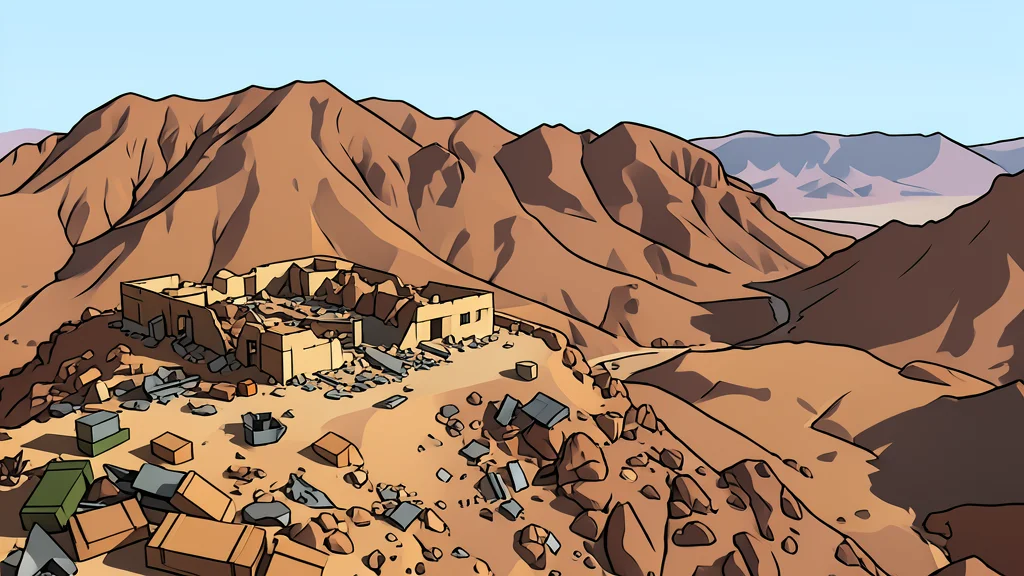
At least 26 people have been killed and 82 others injured following violent clashes between two rival tribes in Abyei, a contested region on the border of South Sudan and Sudan. The United Nations reported on Thursday that the fighting took place at the Amiet Common Market, a critical economic hub, and was triggered by the initial killings of two men from opposing communities earlier in the week.
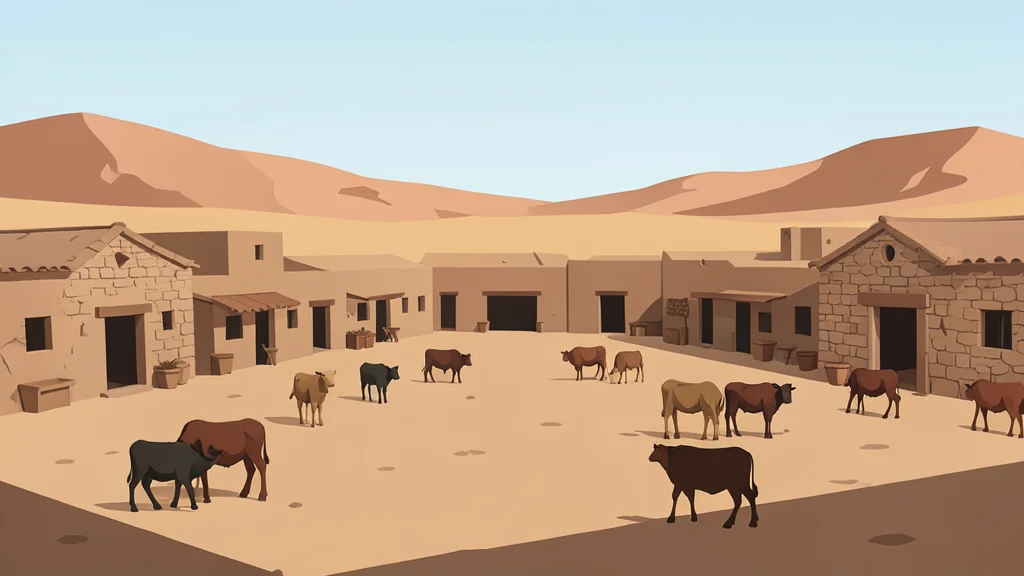
According to the UN Interim Security Force for Abyei, the incident escalated quickly around the market area, prompting immediate reinforcement of security personnel to de-escalate the situation. The conflict involves members of the Ngok Dinka and Misseriya tribes, who have a history of disputes over grazing lands and water access in this oil-rich territory.
Contested status of the border region
Abyei remains a focal point of tension between the two nations, as both South Sudan and Sudan have staked claims to the area since South Sudan’s independence in 2011. The region is jointly administered, a complex arrangement that has historically struggled to prevent localized violence. The material provided by GN auto geopolitics/africa: Sudan conflict highlights how these long-standing territorial and resource disputes continue to simmer beneath the surface of broader regional stability.
Security response and historical context
UNISFA stated that it deployed additional forces to the vicinity of the market immediately after the deadly violence began. This is not the first time these two groups have clashed; similar incidents have occurred in the past, often driven by competition for agricultural resources. The recurring nature of these disputes underscores the fragility of peace in areas where administrative boundaries overlap with traditional tribal territories.
Implications for upcoming national elections
The recent violence casts a shadow over South Sudan’s political trajectory, particularly as the country is scheduled to hold its first elections since independence in December. While the nation has been largely at peace since the 2018 agreement that ended a five-year civil war, outbreaks of ethnic violence in border regions pose significant challenges to the electoral process. Observers will be watching closely to see if the government and international partners can contain the unrest and ensure that the December vote proceeds as planned amidst these persistent regional tensions.