Nigeria Directs Diplomatic Corps to Respect Sovereignty Before 2027 Vote
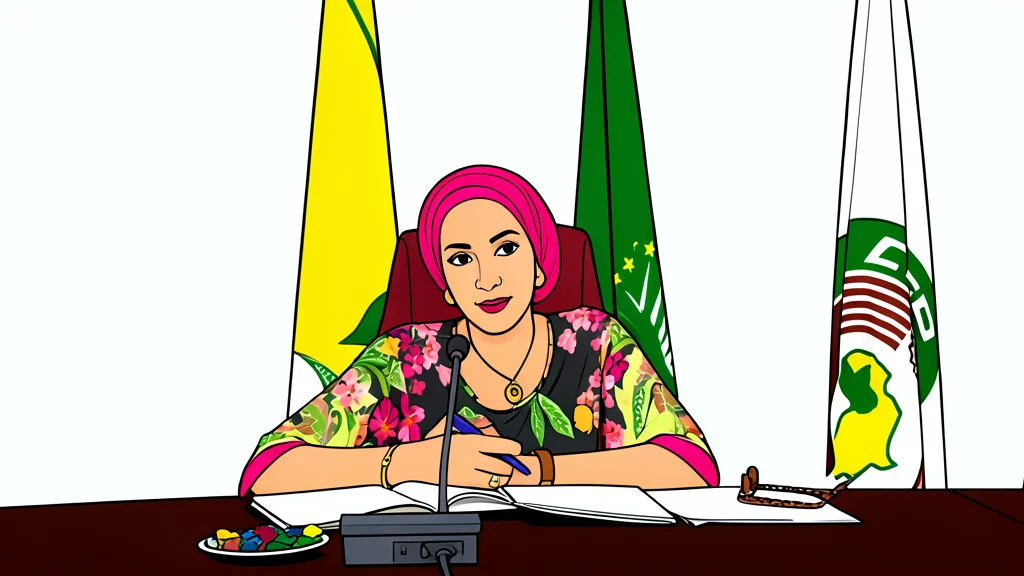
Abuja has issued a formal directive to foreign missions, urging restraint in public commentary as the nation prepares for its next general election.
The Nigerian government has issued a pointed directive to its foreign diplomatic corps, calling for strict adherence to diplomatic protocol as the country approaches the 2027 general elections. Foreign Minister Bianca Odumegwu-Ojukwu addressed members of the Diplomatic Corps in Abuja, emphasizing that Nigeria’s internal political processes carry significant weight for the broader region. She stressed that the nation’s democratic trajectory has implications that extend well beyond its borders, requiring a level of diplomatic sensitivity that respects national sovereignty.
According to the Ministry of Foreign Affairs, the minister explicitly cautioned against what she described as unguarded comments, disparaging remarks, or unsolicited lectures on democratic principles. This warning was framed not as a restriction on free speech, but as a standard request for mutual respect in diplomatic engagement. The administration under President Bola Ahmed Tinubu reaffirmed its commitment to credible electoral processes, while simultaneously insisting that external actors utilize established channels rather than public platforms to voice concerns or observations.
Diplomatic Channels Over Public Commentary
The core of the directive centers on the proper routing of official communications. The minister urged all diplomatic missions to direct any requests or inquiries intended for the Presidency, ministries, or agencies exclusively through the Ministry of Foreign Affairs. She clarified that the ministry’s role is to facilitate these interactions, ensuring they are handled with appropriate formality and respect. By centralizing these communications, the government aims to maintain a structured and professional dialogue, avoiding the potential friction that can arise from public statements made without prior diplomatic consultation.
This approach reflects a broader strategy to manage the narrative surrounding Nigeria’s upcoming elections. By requesting that envoys remain guided by established procedures, the government seeks to prevent external narratives from interfering with internal political dynamics. The emphasis on dialogue and mutual respect suggests a desire for a cooperative rather than adversarial relationship with the international community, even as it firmly asserts its right to manage its own electoral process without external interference.
Regional Implications of Electoral Stability
The warning underscores the geopolitical significance of Nigeria within the African continent. As the largest economy and a demographic giant, the stability of its democratic institutions is viewed as a pillar of regional security. According to the minister, developments in Nigeria have direct implications for neighboring countries and international partners. This perspective frames the upcoming elections not merely as a domestic event, but as a critical moment for continental stability, necessitating a careful and respectful engagement from all external stakeholders.
Monitoring Future Diplomatic Interactions
The coming months will likely serve as a test of this new diplomatic stance. Observers will watch closely to see how foreign missions respond to this directive, particularly during sensitive periods of the electoral cycle. The extent to which envoys adhere to the call for restraint will provide insight into the evolving relationship between Nigeria and the international community. For now, the focus remains on maintaining a calm and structured environment, allowing the electoral process to unfold with minimal external noise.