Border Surges Reshape American Demographics and Urban Growth
Exclusive federal data reveals the complex geography of recent immigration, showing how millions of arrivals have dispersed across communities and shifted the political landscape.
The United States is experiencing a demographic shift of historic proportions, with millions of individuals arriving from over 150 countries in the last decade. According to federal records obtained by The Associated Press, this influx has pushed the U.S. immigrant population to its highest levels ever recorded. While New York and Miami remain traditional hubs, the data indicates a significant diversification in where these migrants settle, challenging older assumptions about migration patterns.
The surge has not been limited to established corridors. Cities in the South and Midwest, such as Elkhart, Indiana, and Boise, Idaho, have seen notable increases in foreign-born residents. This geographic spread suggests that smaller communities with less developed immigrant infrastructure are increasingly becoming destinations, driven by social media networks and new migration routes that bring people from West Africa, East Africa, and Asia to the border.
Federal Data Reveals Settlement Patterns
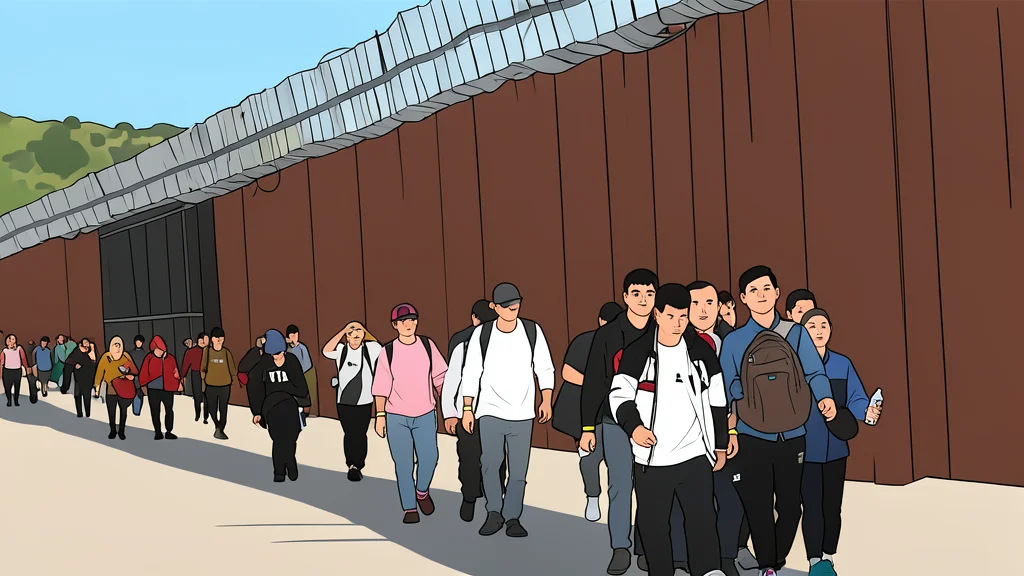
The Associated Press accessed records detailing the self-reported destinations of 4.5 million migrants who crossed the Mexican border between October 2021 and July 2022. Migrants are required to provide a U.S. street address and ZIP code to Customs and Border Protection, creating a detailed map of where individuals intend to stay. While some have moved elsewhere or left the country, many have remained in their initial destinations, integrating into local economies.
This data offers a granular view of the surge, moving beyond aggregate border statistics to show specific communities affected. The records include details on ages, genders, and nationalities, providing context for local officials who are often stretched thin by the sudden arrival of new residents. The information highlights a shift from a predominantly Mexican-centric migration to a more diverse array of nationalities, including significant numbers from Central America, India, and various African nations.
Political Consequences of Demographic Shifts
The distribution of these populations has had tangible effects on local politics. In several jurisdictions, the influx of new residents contributed to the defeat of incumbent Republican officials, marking a noticeable shift in the political balance. This trend was particularly evident in areas that had not previously been significant destinations for international migration. The data underscores how demographic changes can rapidly alter the electoral landscape in specific regions.
According to the report, the growth of social media and new migration routes played a key role in bringing people from around the world to the U.S. border. This modernization of migration channels has allowed for a broader range of nationalities to access the country, complicating the traditional narrative of border security. The consequences of these shifts are still unfolding, with communities adapting to the new realities of their changing populations.
Future Challenges for Local Communities
As the U.S. continues to process these arrivals, local governments face the challenge of integrating new residents into their communities. The data from the GN geopolitics/migration desk highlights the need for a nuanced understanding of where these individuals are settling and what resources they require. The next steps will involve monitoring how these communities evolve and how local policies adapt to the changing demographic landscape.
The long-term impact of this migration surge on American society remains an open question. While the immediate effects have been felt in local politics and community dynamics, the broader implications for the national economy and social fabric are yet to be fully realized. Observers will be watching how these new communities develop and how they interact with existing populations in the years to come.